



Who tests for lead and why? A 10-year analysis of blood-lead screening, follow-up, and CNS outcomes in a statewide U.S. healthcare system
Supporting Files

-
2 02 2024
-
File Language:
English
Details
-
Alternative Title:Occup Environ Med
-
Personal Author:
-
Description:Objectives.
Determine: (1) which providers in U.S.-healthcare systems order lead tests, why, and at what frequency, and (2) whether current patient-population lead-levels are predictive of clinical outcomes.
Methods.
Retrospective medical-record study of all blood-lead tests in Medical University of South Carolina healthcare system 2012–2016 and consequent evidence of CNS-related disease across a potential 10-year-window (2012–2022).
Results.
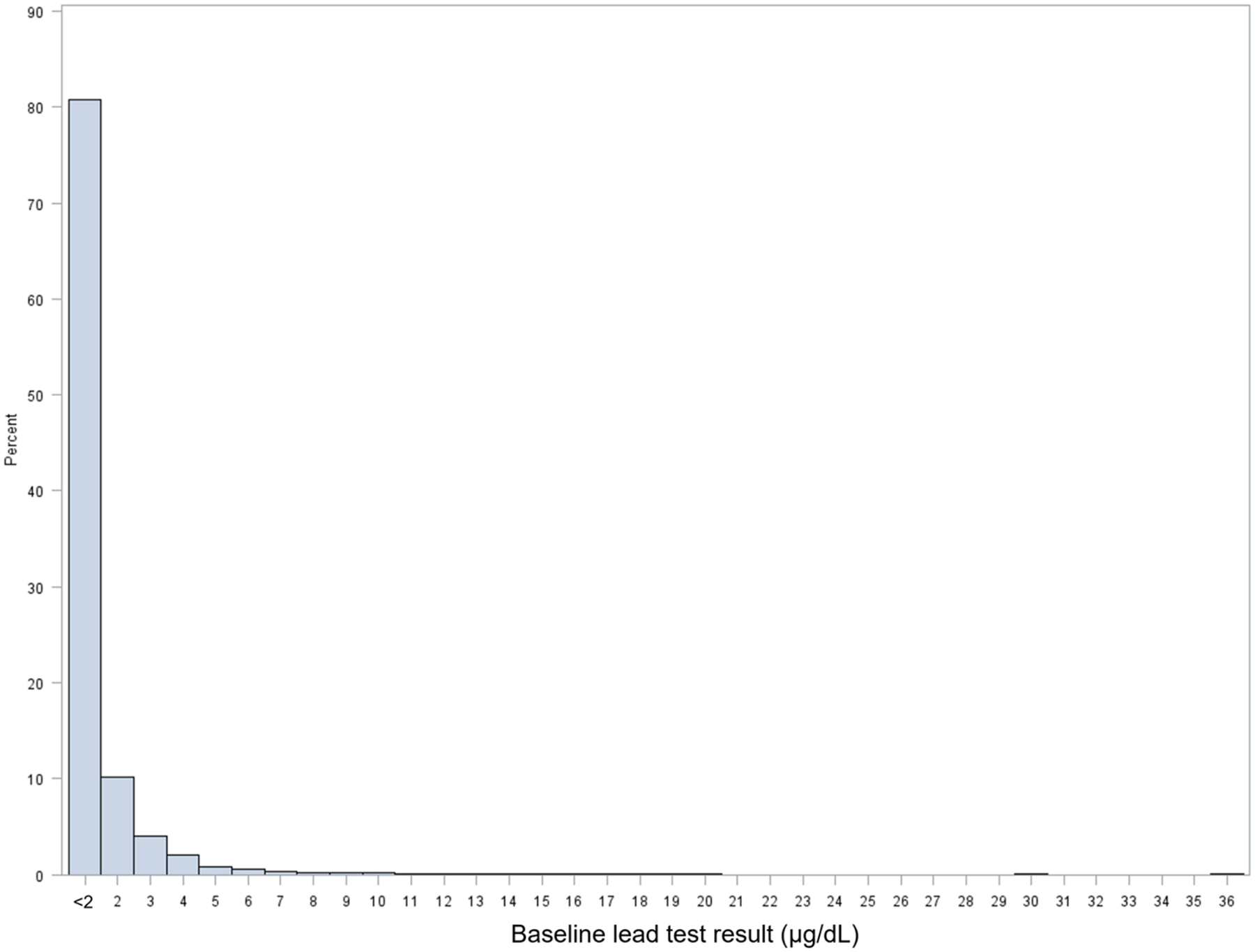
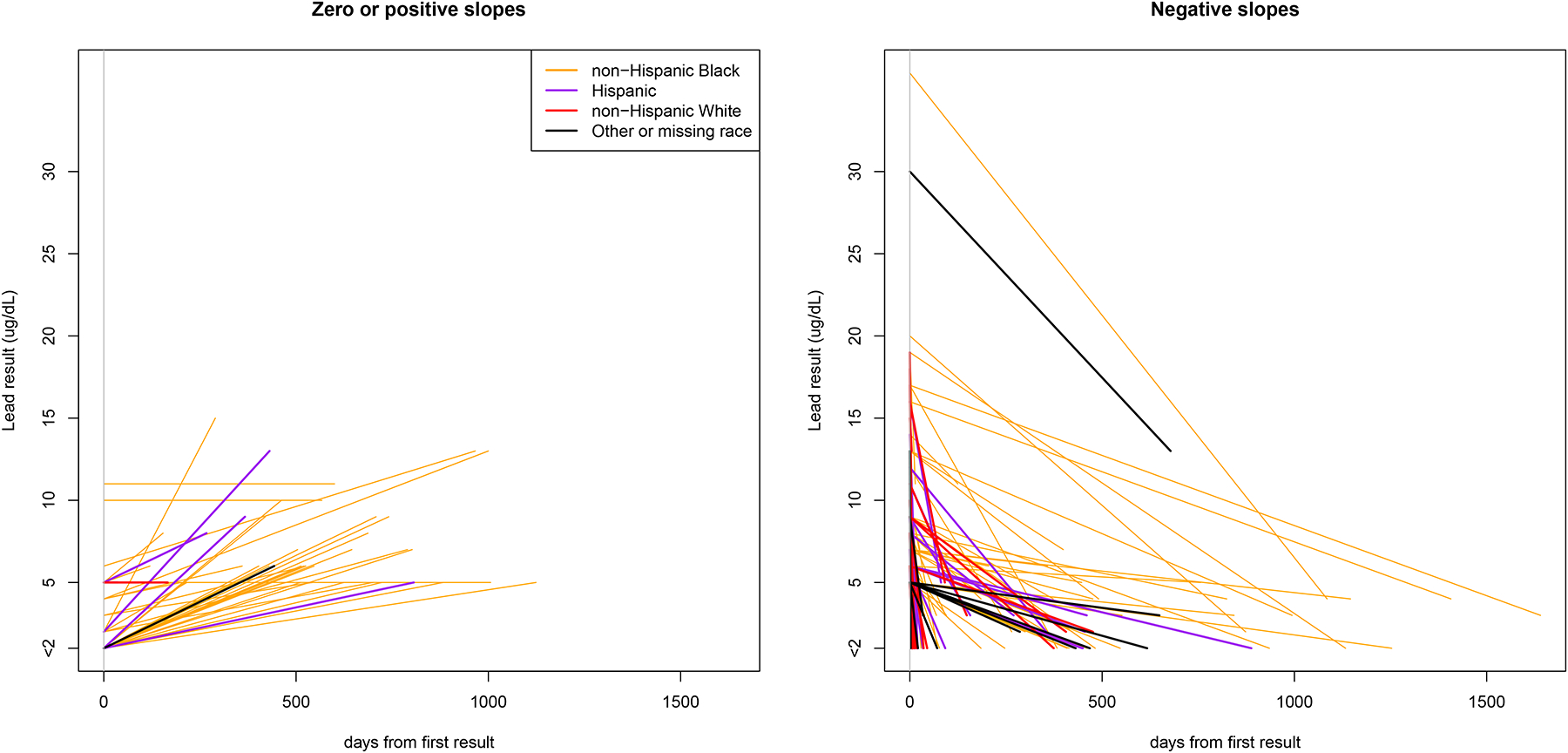
Across 4 years, 9,726 lead-tests resulted for 7,181 patients (49.0% female; 0–94 years), representing 0.2% of the hospital population. Most tests were for young (76.6% ≤age 3) and non-Hispanic Black (47.2%) and Hispanic (26.7%) patients. A wide variety of providers ordered tests; however, most were ordered by pediatrics, psychiatry, internal medicine, and neurology. Lead-levels ranged from ≤2.0μg/dL (80.8%) to ≥10μg/dL (0.8%; max 36μg/dL). 201 children (3.1%) had initial lead-levels over the reference value for case-management at the time (5.0μg/dL). Many high-level children did not receive follow-up testing in the system (36.3%) and those that did often failed to see levels fall below 5.0μg/dL (80.1%). Non-Hispanic Black and Hispanic patients were more likely to see lead-levels stay high or go up over time. Over follow-up, children with high lead-levels were more likely to receive new ADHD and conduct disorder diagnoses and new psychiatric medications. No significant associations were found between lead-test results and CNS-diagnoses or medications among adults.
Conclusions.
Hospital lead-testing covers a small portion of patients but includes a wide range of ages, presentations, and provider-specialties. Lack of lead-decline among many pediatric patients suggests there is room to improve provider guidance around when to test and follow-up.
-
Subjects:
-
Keywords:
-
Source:Occup Environ Med. 81(2):101-108
-
Pubmed ID:38272665
-
Pubmed Central ID:PMC11099936
-
Document Type:
-
Funding:
-
Volume:81
-
Issue:2
-
Collection(s):
-
Main Document Checksum:urn:sha-512:6bb43f21327e200bd50ea4c51a03cd507f5a98f7a10b990ac688ae9fd5f7bf376c0970681f73e4802dcc686dbb0cd8cc415c2193b4f4a7d10f8152f73dd94ec9
-
Download URL:
-
File Type:
 [PDF
- 635.00 KB
]
[PDF
- 635.00 KB
]
Supporting Files


File Language:
English
 Was this page helpful?
 Found an issue?
CDC STACKS serves as an archival repository of CDC-published products including
scientific findings,
journal articles, guidelines, recommendations, or other public health information authored or
co-authored by CDC or funded partners.
As a repository, CDC STACKS retains documents in their original published format to ensure public access to scientific information.
As a repository, CDC STACKS retains documents in their original published format to ensure public access to scientific information.
You May Also Like
COLLECTION
CDC Public Access