


Liver Pathologic Changes After Direct-Acting Antiviral Agent Therapy and Sustained Virologic Response in the Setting of Chronic Hepatitis C Virus Infection
Supporting Files

-
4 01 2021
-
File Language:
English
Details
-
Alternative Title:Arch Pathol Lab Med
-
Personal Author:
-
Description:Context.
Treatment of chronic viral hepatitis C (HCV) infection with direct-acting antiviral agents (DAAs) results in cure, or sustained viral response (SVR), in more than 90% of patients. However, there are subsets of patients who have persistent liver inflammation and fibrosis and develop hepatocellular carcinoma (HCC) despite achieving SVR. A possible reason for these phenomena may be the presence of virus particles in liver tissue but not blood, otherwise defined as occult infection.
Objective.
To describe liver histologic findings following successful DAA therapy, test HCV RNA by (liver) tissue polymerase chain reaction in treated cases, and identify predictive markers for HCC development in treated cases.
Design.
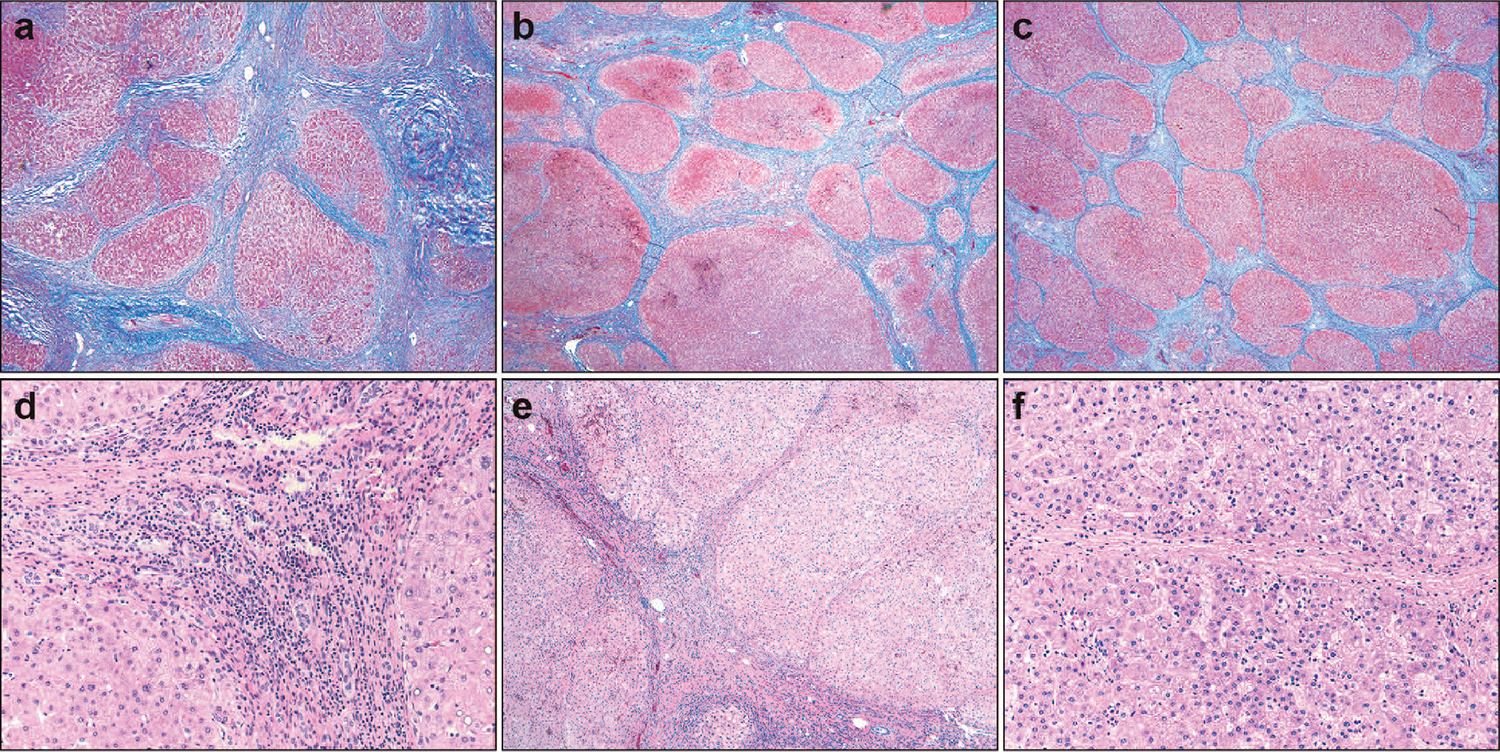
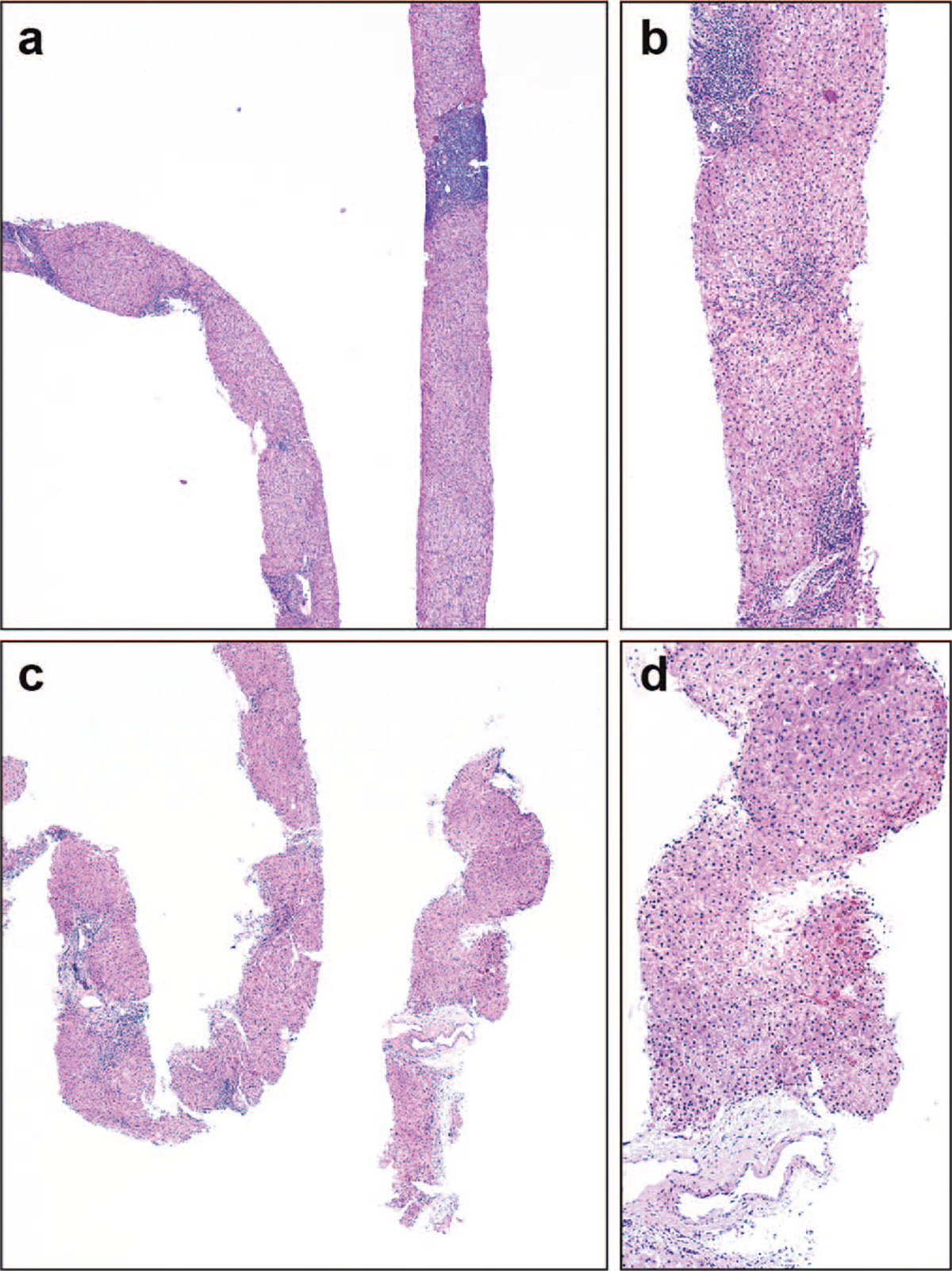
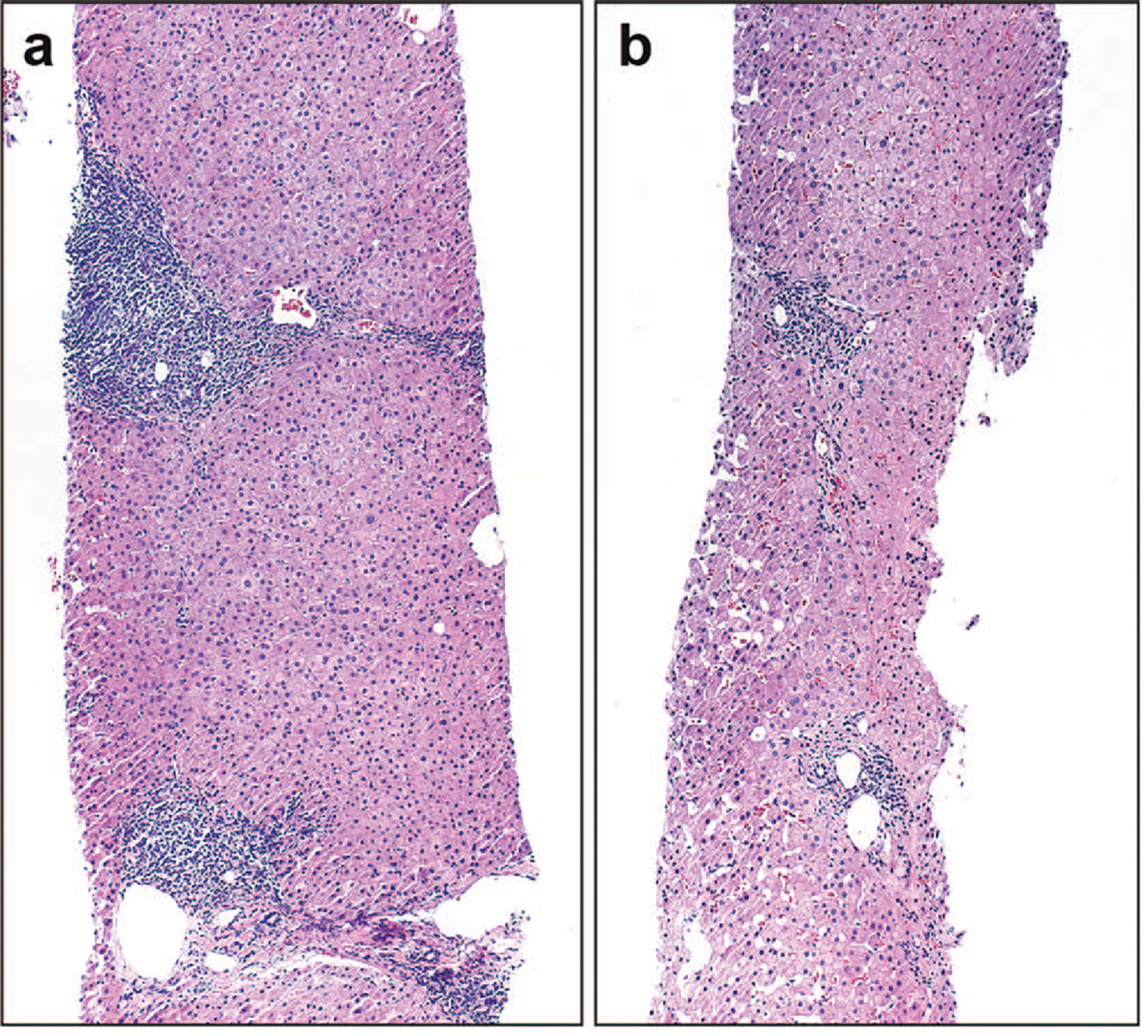
A total of 96 identified patients were divided into 4 groups, each differentiated by the presence or absence of SVR and HCC. Groups were compared for several clinicopathologic variables, including degree of inflammation and fibrosis, and the ‘directionality’ of fibrosis in cirrhotic livers using the novel progressive-indeterminate-regressive scoring system.
Results.
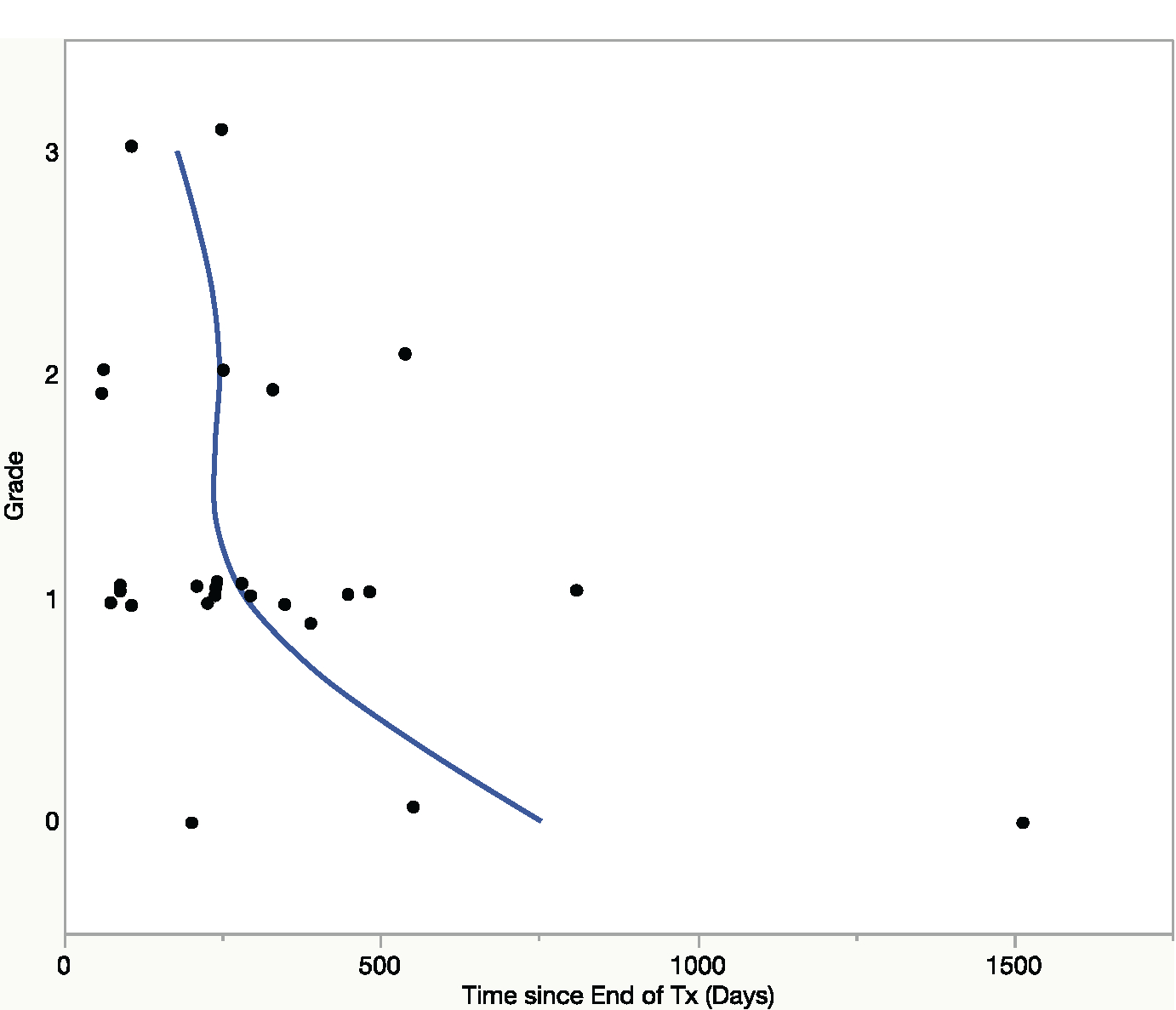
Overall, we found a significant decrease in inflammation in SVR patients. None of the patients showed regression of their cirrhosis following treatment. No evidence of occult HCV infection was seen in 40 livers tested, including 21 with HCC. The number of patients who developed HCC was similar in the SVR and non-SVR groups, and increased inflammation and fibrosis were associated with HCC development.
Conclusions.
Following DAA-SVR there appears to be an overall decrease in inflammation, but the fibrosis tends to persist, at least in the short term (median follow-up of 20.2 months).
-
Subjects:
-
Source:Arch Pathol Lab Med. 145(4):419-427
-
Pubmed ID:32810870
-
Pubmed Central ID:PMC10960369
-
Document Type:
-
Funding:
-
Volume:145
-
Issue:4
-
Collection(s):
-
Main Document Checksum:urn:sha256:b0b6b58b28e0028d0b3693be95aa630ef890a2e0c67d1de668cba1284640c0de
-
Download URL:
-
File Type:
 [PDF
- 1.77 MB
]
[PDF
- 1.77 MB
]
Supporting Files


File Language:
English
ON THIS PAGE


CDC STACKS serves as an archival repository of CDC-published products including
scientific findings,
journal articles, guidelines, recommendations, or other public health information authored or
co-authored by CDC or funded partners.
As a repository, CDC STACKS retains documents in their original published format to ensure public access to scientific information.
As a repository, CDC STACKS retains documents in their original published format to ensure public access to scientific information.
You May Also Like
COLLECTION
CDC Public Access