



Detection of coxsackievirus A6 in formalin-fixed, paraffin-embedded skin biopsy specimens using immunohistochemistry and real-time reverse-transcriptase PCR
Supporting Files

-
6 2021 ; 6-2021
-
Available in CDC Stacks on March 13, 2024, 12:00 AM
File Language:
English
Details
-
Alternative Title:J Clin Virol Plus
-
Personal Author:
-
Description:Background:
Hand, foot, and mouth disease (HFMD), classically a childhood viral infection, has an atypical and severe clinical presentation in adults. Coxsackievirus A6 is a leading cause of atypical HFMD, but current diagnostic methods utilizing formalin-fixed, paraffin-embedded skin biopsy specimens often lack sensitivity and specificity.
Methods:
Formalin-fixed, paraffin-embedded skin biopsies from seven case patients with clinical and histopathological suspicion of atypical HFMD were evaluated by coxsackievirus A6 (CVA6) immunohistochemistry, enterovirus-specific conventional reverse transcriptase-PCR with subsequent Sanger sequencing targeting the 5’UTR, and CVA6-specific real-time PCR targeting the VP1 gene.
Results:
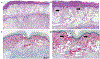
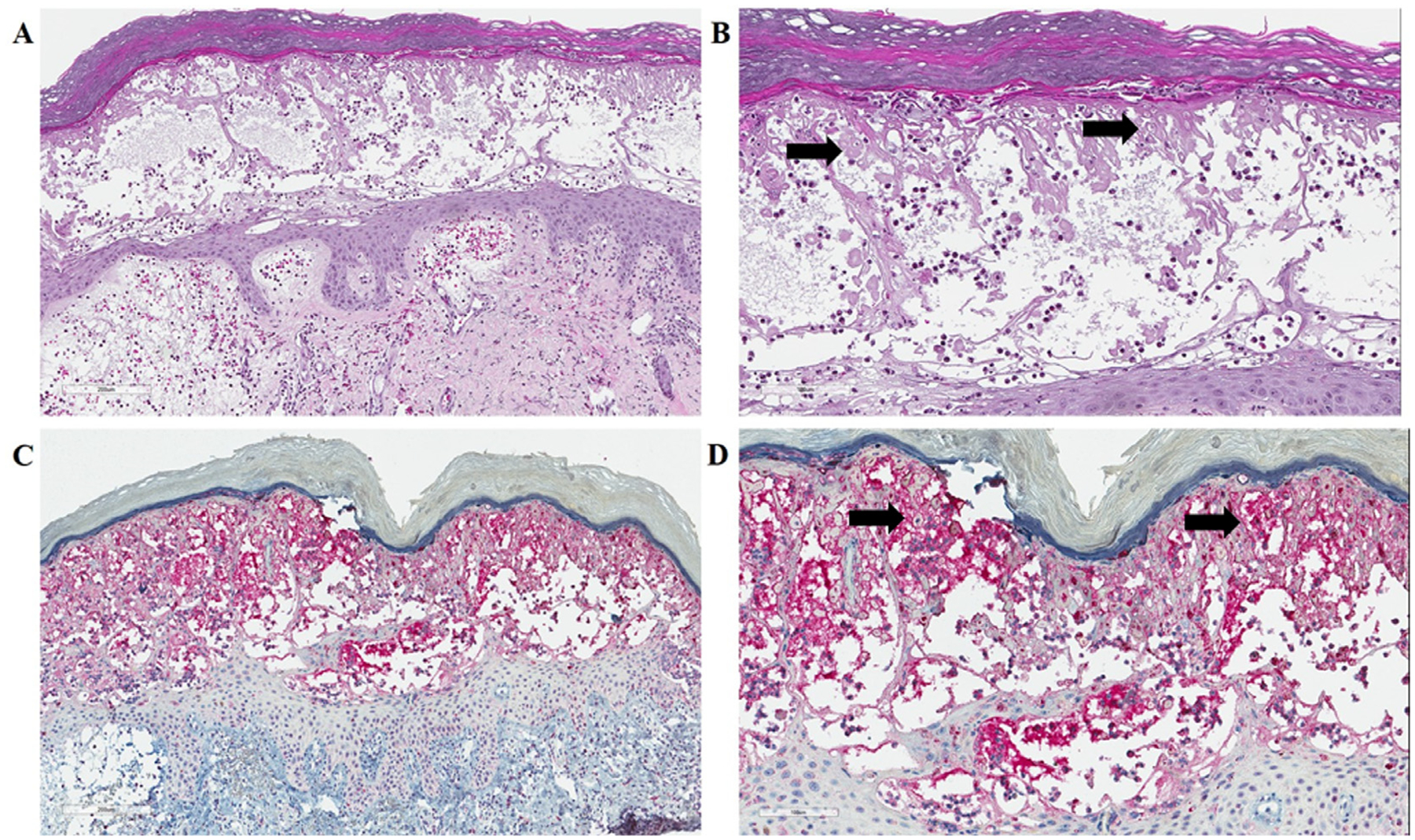
The CVA6-specific antibody demonstrated appropriate antigen distribution and staining intensity in keratinocytes in all cases. Conventional RT-PCR and sequencing also detected the presence of enterovirus, and CVA6-specific real-time RT-PCR analysis identified CVA6.
Conclusion:
Applying these immunohistochemistry and molecular techniques to formalin-fixed, paraffin-embedded tissues, CVA6 was determined to be the causative infectious agent in seven cases of atypical hand, foot, and mouth disease. -
Keywords:
-
Source:J Clin Virol Plus. 1(1-2)
-
Pubmed ID:38481773
-
Pubmed Central ID:PMC10936323
-
Document Type:
-
Funding:
-
Volume:1
-
Download URL:
-
File Type:
 [PDF - 710.32 KB]
 -
Collection(s):
-
Main Document Checksum:urn:sha256:9f049e056e96dcbd43726a934c124e9d0602acfe3214c5400298de461c17ac51
Supporting Files


File Language:
English
 Was this page helpful?
 Found an issue?



CDC STACKS serves as an archival repository of CDC-published products including
scientific findings, journal articles, guidelines, recommendations, or other public health information authored or
co-authored by CDC or funded partners.
As a repository, CDC STACKS retains documents in their original published format to ensure public access to scientific information.
As a repository, CDC STACKS retains documents in their original published format to ensure public access to scientific information.
You May Also Like
COLLECTION
CDC Public Access