



Are there seasonal patterns for emergency department visits for head injuries in the USA? Findings from the National Electronic Injury Surveillance System-All Injury Program
Supporting Files

-
1 25 2024
-
Available in CDC Stacks on January 25, 2025, 12:00 AM

File Language:
English
Details
-
Alternative Title:Inj Prev
-
Personal Author:
-
Description:Introduction
Previous international research suggests that the incidence of head injuries may follow seasonal patterns. However, there is limited information about how the numbers and rates of head injuries, particularly sports- and recreation-related head injuries, among adults and children evaluated in the emergency department (ED) vary by month in the USA. This information would provide the opportunity for tailored prevention strategies.
Methods
We analysed data from the National Electronic Injury Surveillance System-All Injury Program from 2016 to 2019 to examine both monthly variation of ED visit numbers and rates for head injuries overall and those due to sports and recreation.
Results
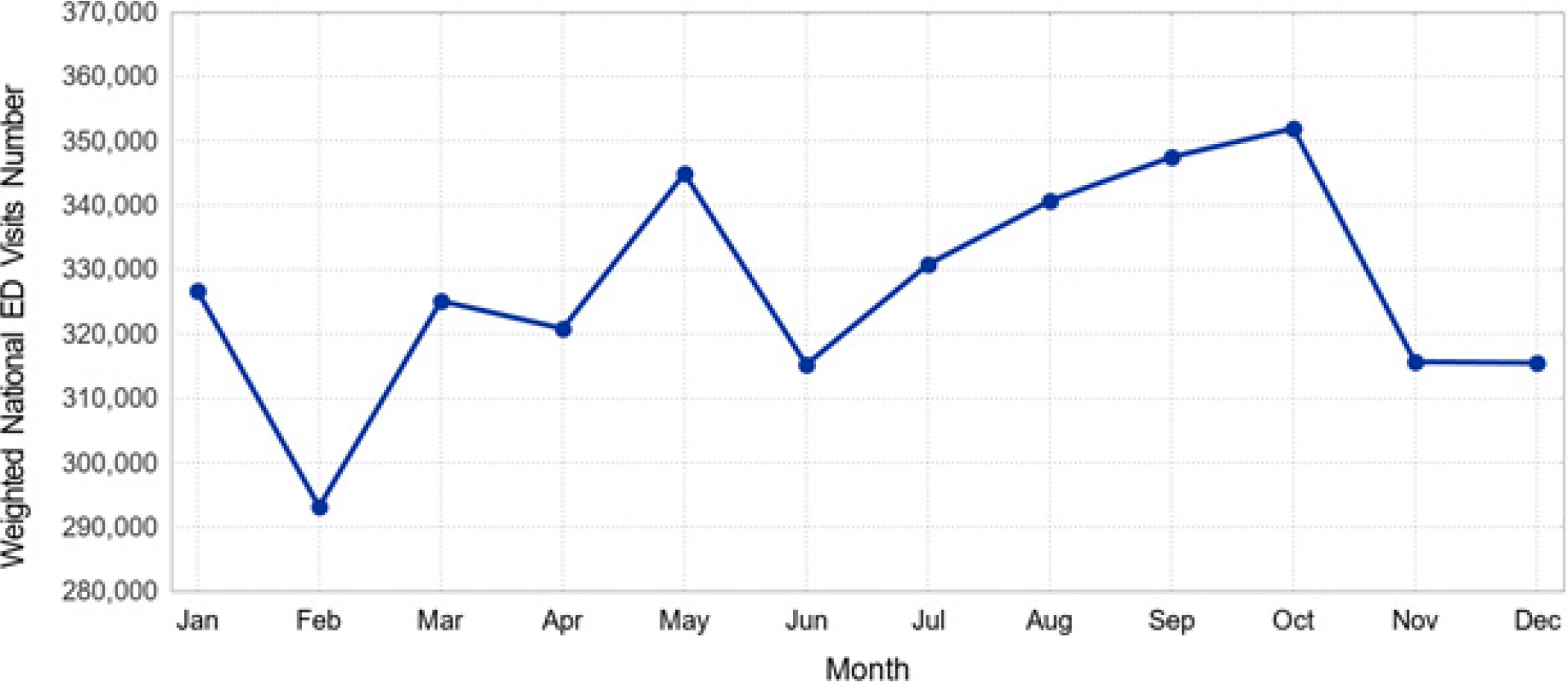
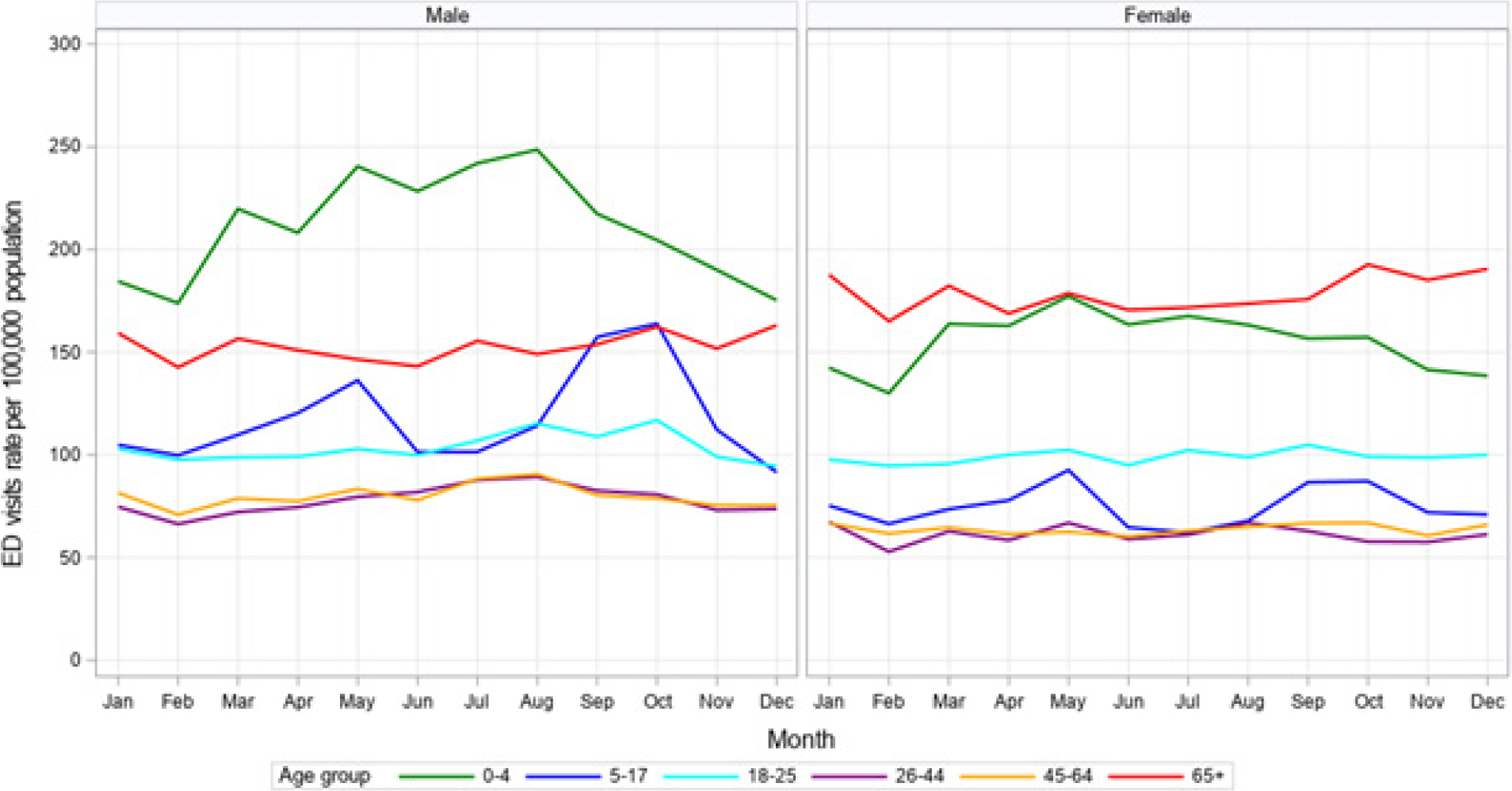
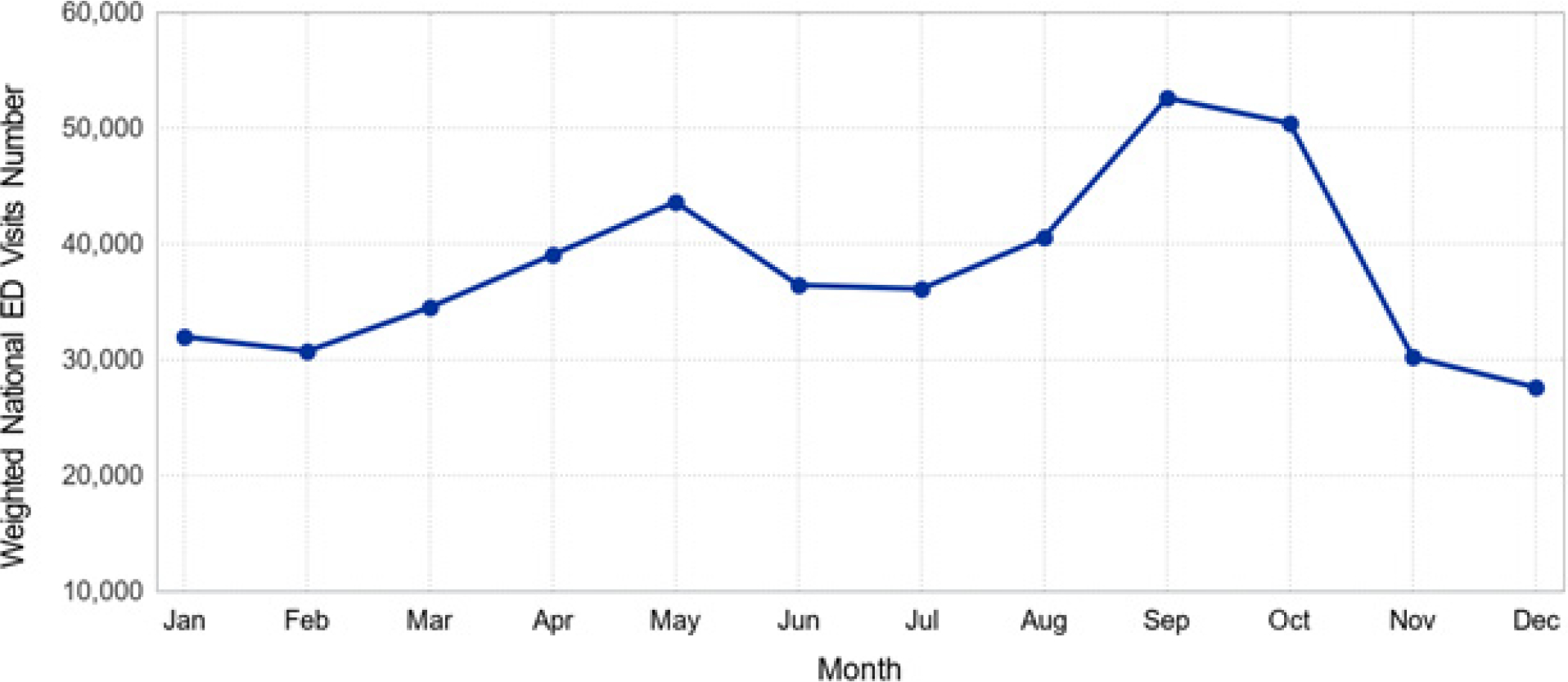
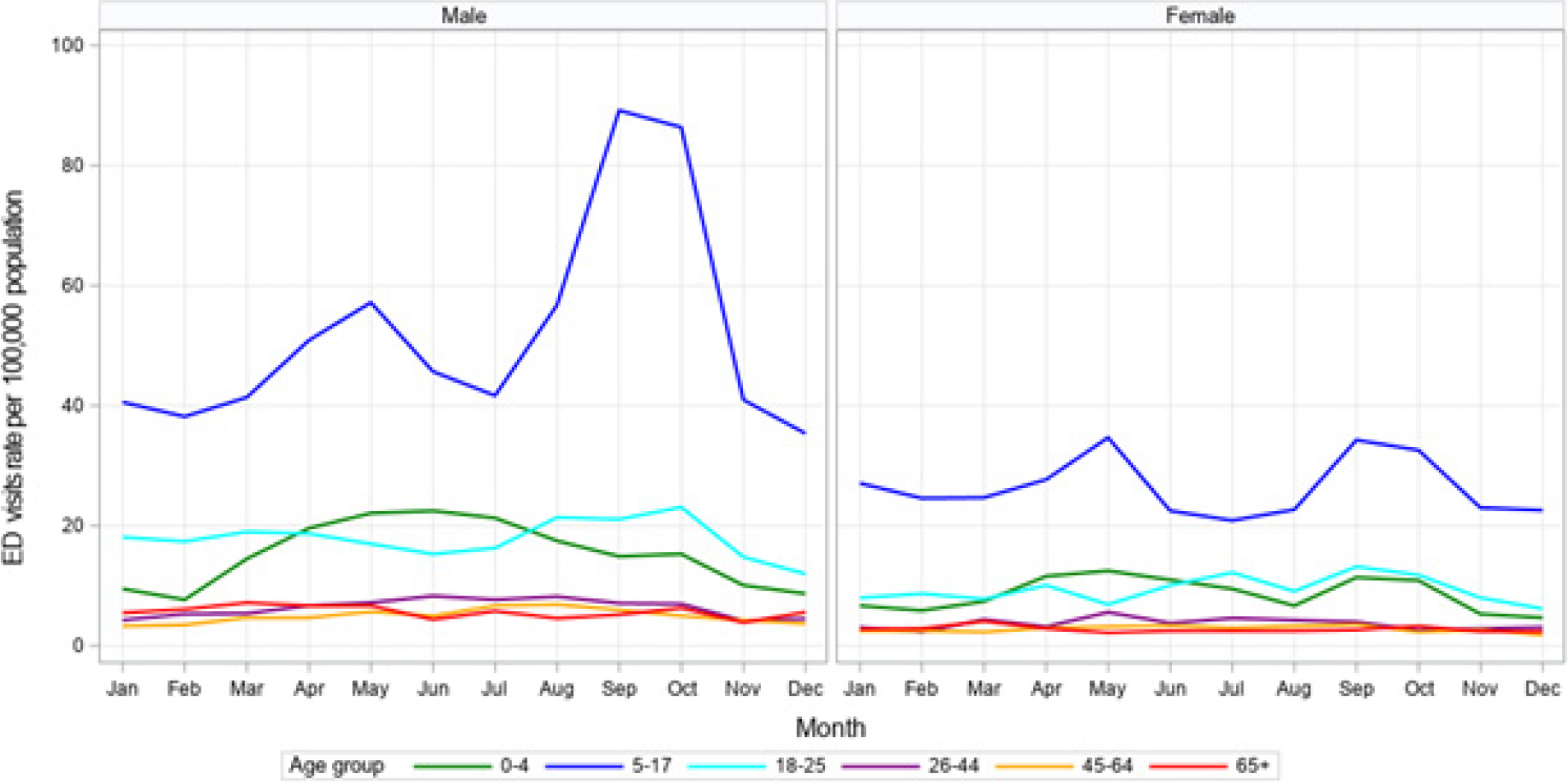
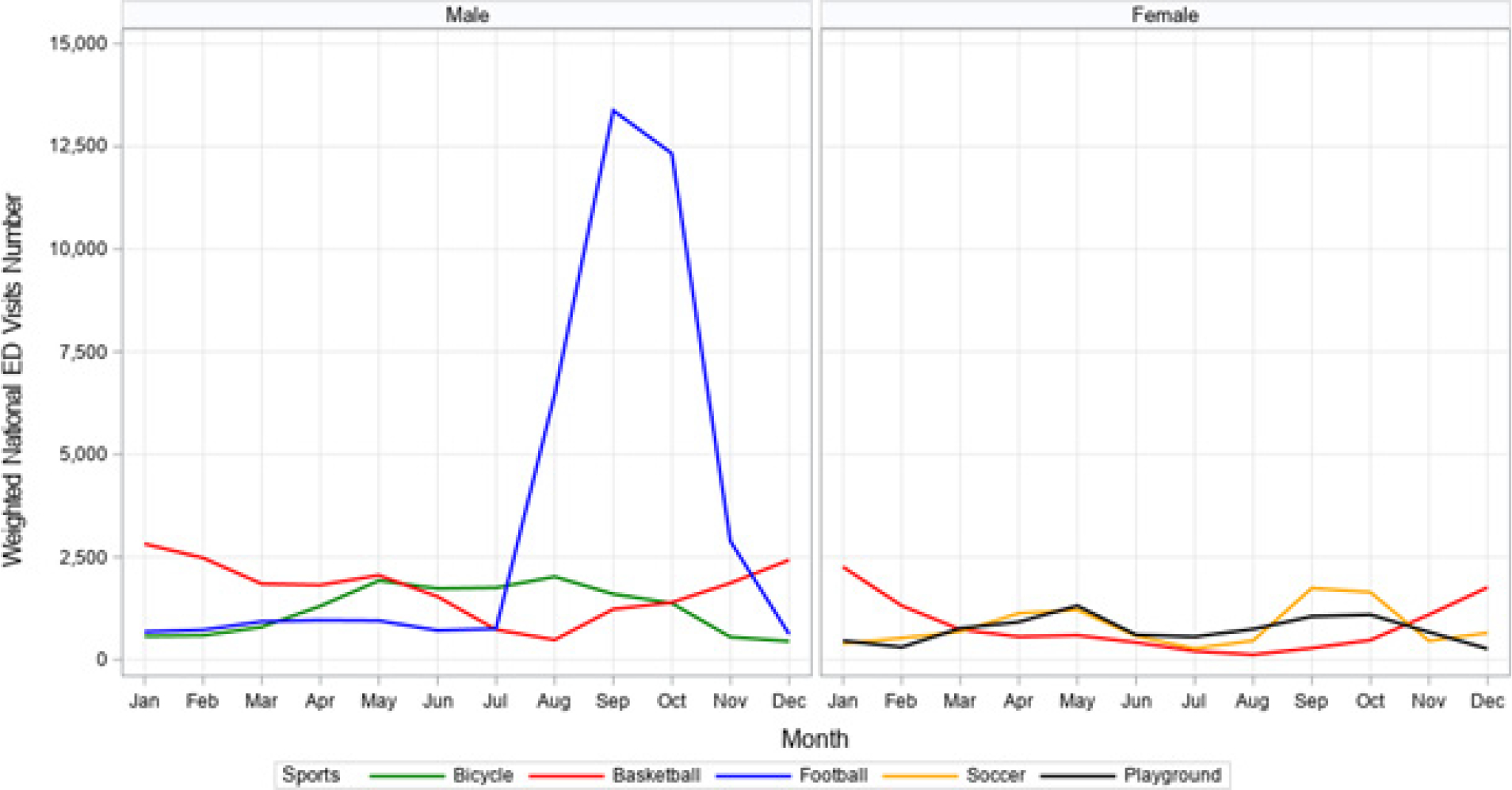
The highest number of head injuries evaluated in the ED occurred in October while the lowest number occurred in February. Among males, children ages 0–4 years were responsible for the highest rates of head injury-related ED visits each year, while in females the highest rates were seen in both children ages 0–4 and adults ages 65 and older. The highest number of head injuries evaluated in the ED due to sports and recreation were seen in September and October. Head injury-related ED visits due to sports and recreation were much more common in individuals ages 5–17 than any other age group.
Conclusion
This study showed that head injury-related ED visits for all mechanisms of injury, as well as those due to sports- and recreation-related activities, followed predictable patterns—peaking in the fall months. Public health professionals may use study findings to improve prevention efforts and to optimise the diagnosis and management of traumatic brain injury and other head injuries. -
Keywords:
-
Source:Inj Prev. 30(1):46-52
-
Pubmed ID:37802643
-
Pubmed Central ID:PMC10844889
-
Document Type:
-
Funding:
-
Volume:30
-
Issue:1
-
Download URL:
-
File Type:
 [PDF - 860.83 KB]
 -
Collection(s):
-
Main Document Checksum:urn:sha-512:47bf07fa71904a3fd71c4ef7b406645b2c3031ef7cb67450ae546ac8583765c43e31ce53526045bb5bf46d755fbcbf31cd1a69914f1f2f2c3a41d36a8244e89e
Supporting Files


File Language:
English
 Was this page helpful?
 Found an issue?


CDC STACKS serves as an archival repository of CDC-published products including
scientific findings, journal articles, guidelines, recommendations, or other public health information authored or
co-authored by CDC or funded partners.
As a repository, CDC STACKS retains documents in their original published format to ensure public access to scientific information.
As a repository, CDC STACKS retains documents in their original published format to ensure public access to scientific information.
You May Also Like
COLLECTION
CDC Public Access