


Mathematical Modeling for Carbon Dioxide Level Within Confined Spaces
Supporting Files

-
6 2023
-
File Language:
English
Details
-
Alternative Title:ASCE ASME J Risk Uncertain Eng Syst Part B Mech Eng
-
Personal Author:
-
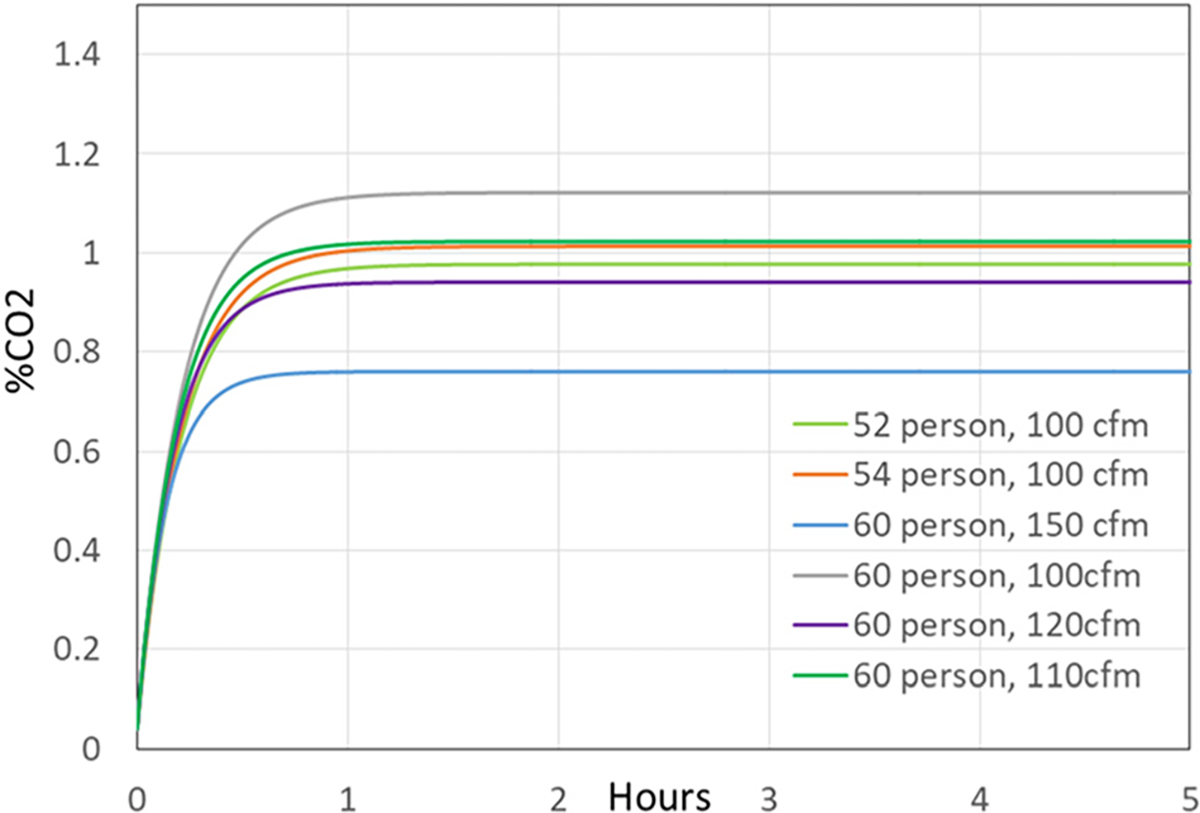
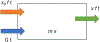
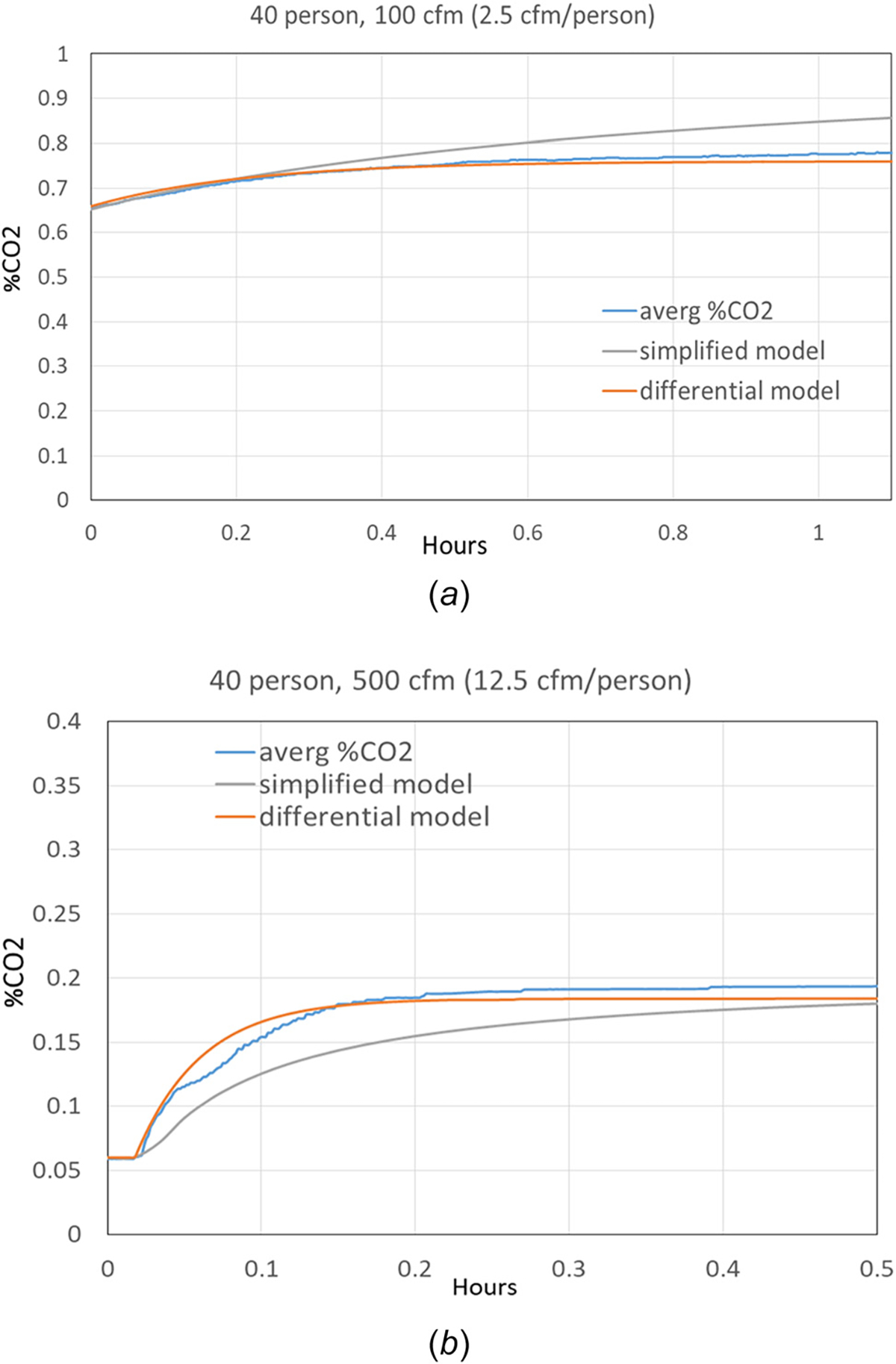
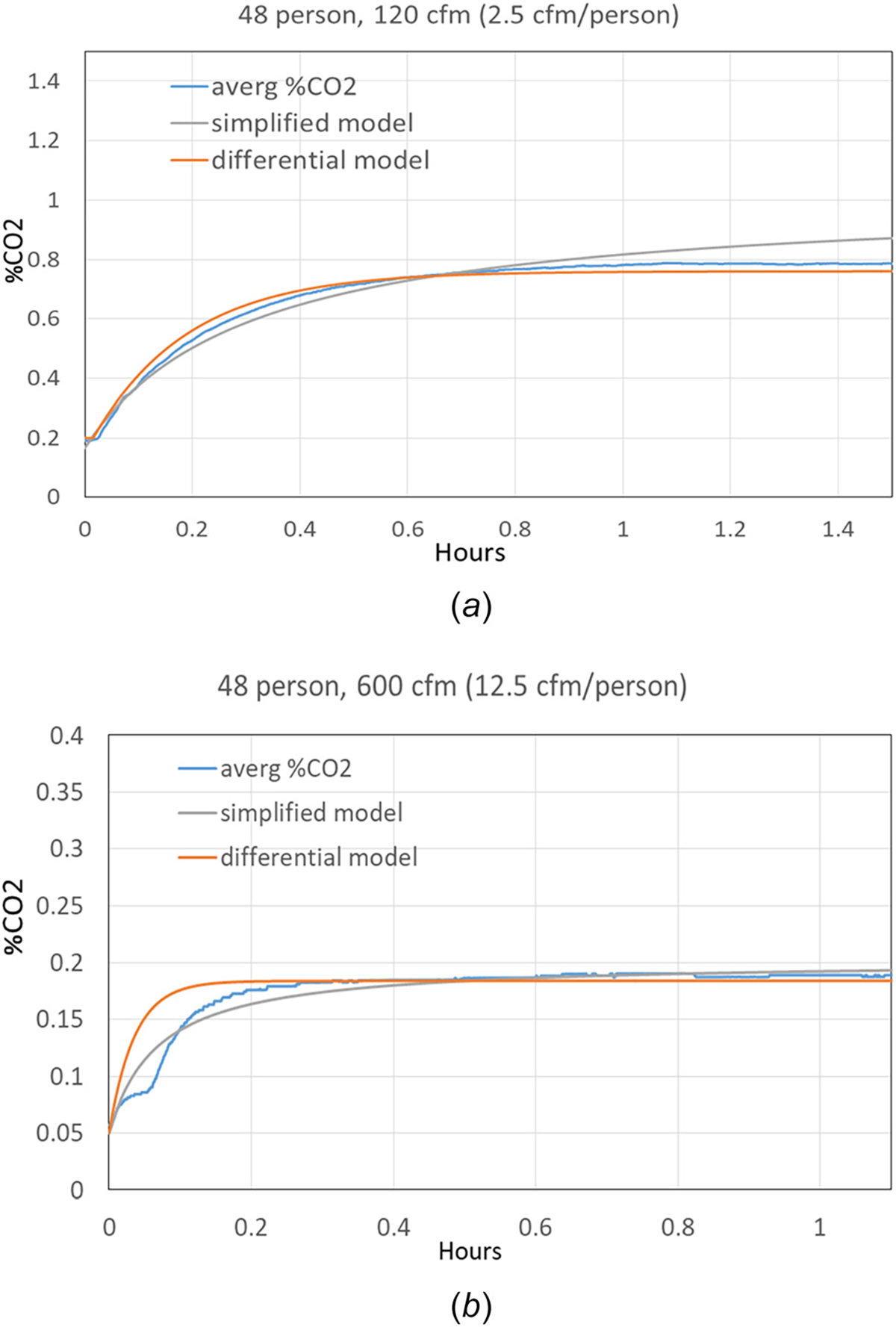
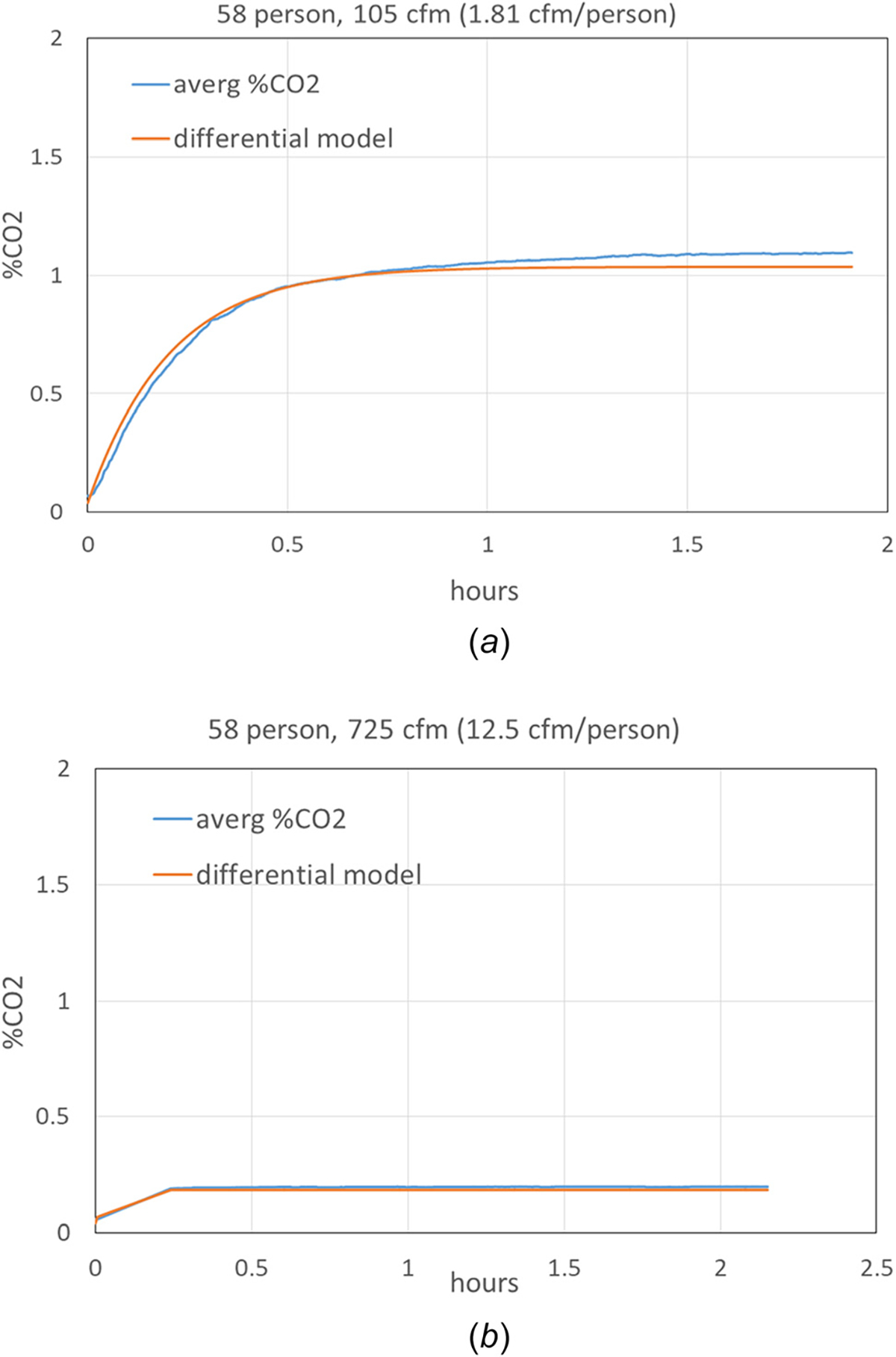
Description:Federal regulations require refuge alternatives (RAs) in underground coal mines to provide a life-sustaining environment for miners trapped underground when escape is impossible. A breathable air supply is among those requirements. For built-in-place (BIP) RAs, a borehole air supply (BAS) is commonly used to supply fresh air from the surface. Federal regulations require that such a BAS must supply fresh air at 12.5 cfm or more per person to maintain the oxygen concentration between 18.5% and 23% and carbon dioxide level below the 1% limit specified. However, it is unclear whether 12.5 cfm is indeed needed to maintain this carbon dioxide level. The minimal fresh air flow (FAF) rate needed to maintain the 1% CO| level will depend on multiple factors, including the number of people and the volume of the BIP RA. In the past, to predict the interior CO| concentration in an occupied RA, 96-h tests were performed using a physical human breathing simulator. However, given the infinite possibility of the combinations (number of people, size of the BIP RA), it would be impractical to fully investigate the range of parameters that can affect the CO| concentration using physical tests. In this paper, researchers at the National Institute for Occupational Safety and Health (NIOSH) developed a model that can predict how the %CO| in an occupied confined space changes with time given the number of occupants and the FAF rate. The model was then compared to and validated with test data. The benchmarked model can be used to predict the %CO| for any number of people and FAF rate without conducting a 96-h test. The methodology used in this model can also be used to estimate other gas levels within a confined space.
-
Keywords:
-
Source:ASCE ASME J Risk Uncertain Eng Syst Part B Mech Eng. 9(2)
-
Pubmed ID:38192371
-
Pubmed Central ID:PMC10772919
-
Document Type:
-
Funding:
-
Volume:9
-
Issue:2
-
Collection(s):
-
Main Document Checksum:urn:sha256:488797358777e74b93543dfa9877fea31e992dd6e3d557c248a9fafafde0490f
-
Download URL:
-
File Type:
 [PDF
- 627.08 KB
]
[PDF
- 627.08 KB
]
Supporting Files


File Language:
English
ON THIS PAGE



CDC STACKS serves as an archival repository of CDC-published products including
scientific findings,
journal articles, guidelines, recommendations, or other public health information authored or
co-authored by CDC or funded partners.
As a repository, CDC STACKS retains documents in their original published format to ensure public access to scientific information.
As a repository, CDC STACKS retains documents in their original published format to ensure public access to scientific information.
You May Also Like
COLLECTION
CDC Public Access