



Feasibility of jet injector use during inactivated poliovirus vaccine house-to-house vaccination campaigns
Supporting Files

-
8 06 2018
-
Available in CDC Stacks on 2023-09-22T00:00:00Z
File Language:
English
Details
-
Alternative Title:Vaccine
-
Personal Author:
-
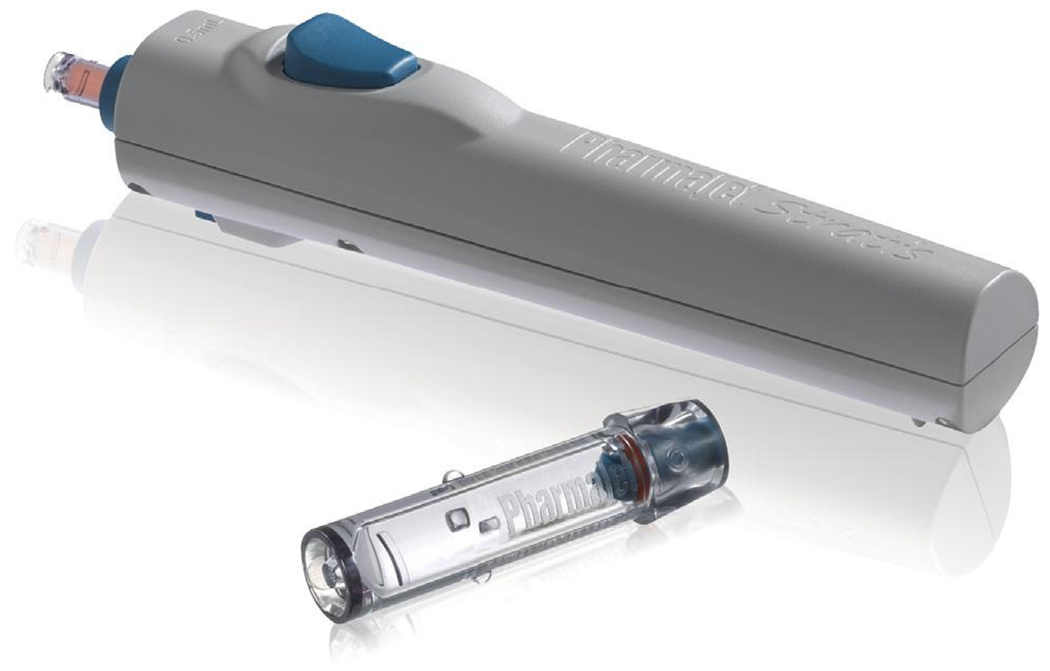
Description:Background: ; To attain high coverage during polio vaccination campaigns, an outreach house-to-house strategy is used to administer oral poliovirus vaccine. Administering an injectable vaccine house-to-house requires a skilled work force and increases risks of needle stick injuries. Needle-free injection devices provide a safer alternative to needles and syringes for administering injectable vaccines. We evaluated the feasibility and acceptability of a needle-free injection device to administer injectable poliovirus vaccine during a house-to-house vaccination outreach activity. ; Methods: ; Vaccination teams administered injectable poliovirus vaccine using the Pharmajet® needle-free intramuscular jet injector to children ages 6–59 months in 766 homes. Data on the feasibility of using the jet injector in an outreach campaign setting and the acceptability of the jet injector by caregivers and vaccinators were collected. ; Results: ; A total of 993 injections were administered. Vaccinators faced challenges during device preparation in 16% (n = 158) of injections; challenges were related to problems loading the injector and not having a flat surface to use for setup of the injector. Among 32 vaccinators interviewed after the vaccination campaign, the main reported advantage of the device was absence of sharps disposal (91%) while the main reported disadvantage was unacceptability by parents (90%) which was related to the vaccine, not the device. ; Conclusions: ; The needle-free jet injector was feasible for use in house-to-house campaigns. Acceptability by vaccinators was low as 81% stated that the jet injector was not easier to use than needle and syringe. Parental refusal related to frequent polio vaccination campaigns was the biggest challenge. In addition, novelty of the device posed a challenge to teams as they needed to reassure parents about safety of the device. To take full advantage of the ability to take injectable vaccines door-to-door during vaccination campaigns using a needle-free jet injector device, tailored social mobilization efforts are needed ahead of campaigns.
-
Keywords:
-
Source:Vaccine. 36(32 Pt B):4935-4938
-
Pubmed ID:29980387
-
Pubmed Central ID:PMC10514717
-
Document Type:
-
Funding:
-
Volume:36
-
Download URL:
-
File Type:
 [PDF - 111.74 KB]
 -
Collection(s):
-
Main Document Checksum:urn:sha256:e7a5300ddd38ef0485466b61d7aaf01eb019151fca14df8f95f327debffee8ec
Supporting Files


File Language:
English
 Was this page helpful?
 Found an issue?

CDC STACKS serves as an archival repository of CDC-published products including
scientific findings, journal articles, guidelines, recommendations, or other public health information authored or
co-authored by CDC or funded partners.
As a repository, CDC STACKS retains documents in their original published format to ensure public access to scientific information.
As a repository, CDC STACKS retains documents in their original published format to ensure public access to scientific information.
You May Also Like
COLLECTION
CDC Public Access