


A Naturalistic Study Assessing the Impact of Daytime Running Lights and Vehicle Passing events on Cyclist’s Physiological Stress
Supporting Files

-
12 2022
-
File Language:
English
Details
-
Alternative Title:Transp Res Interdiscip Perspect
-
Personal Author:
-
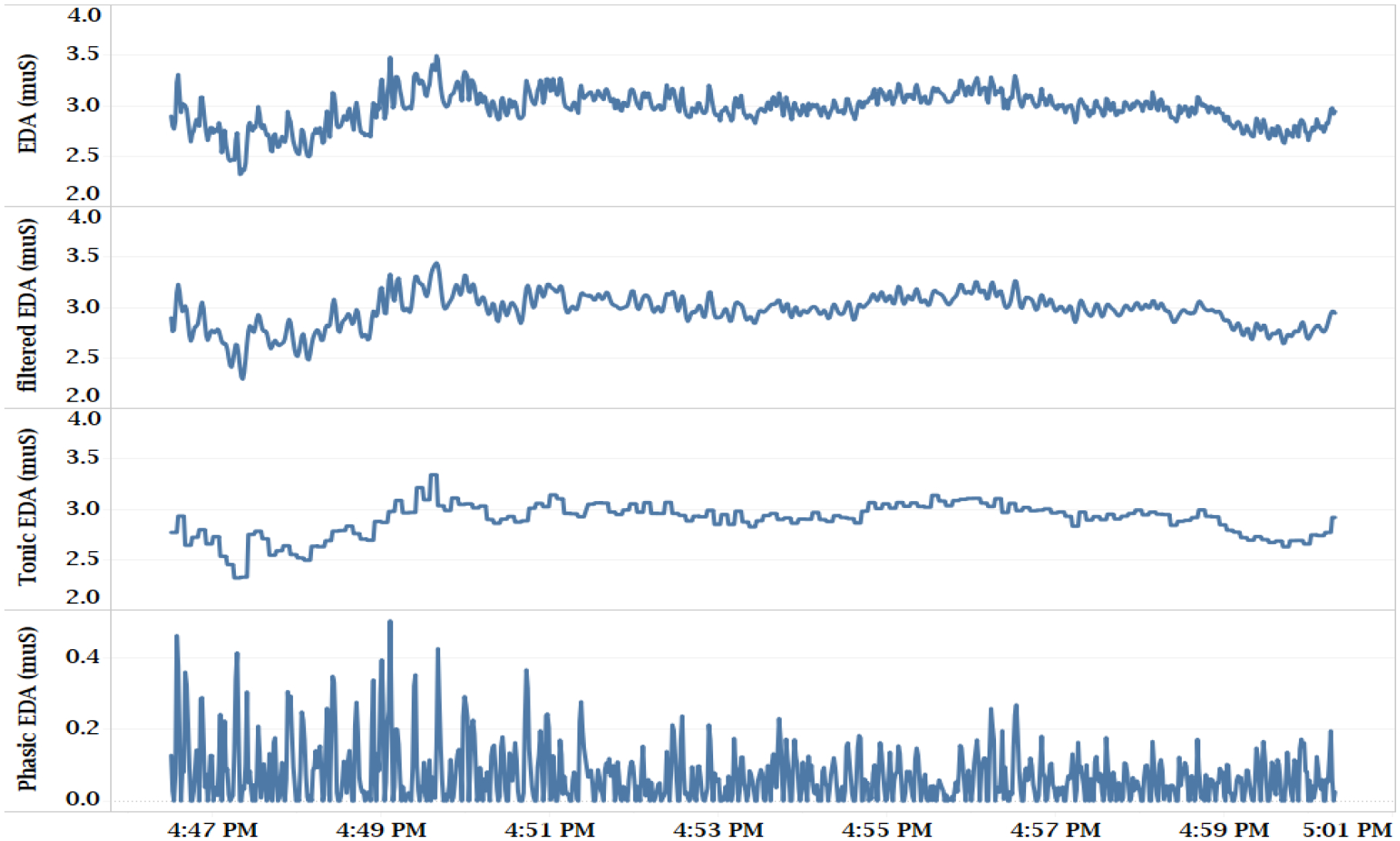
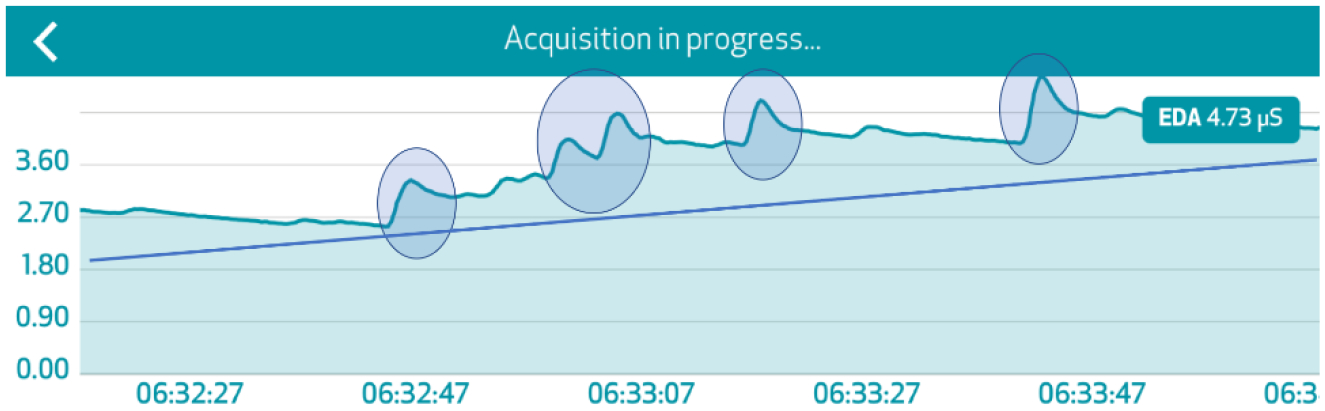
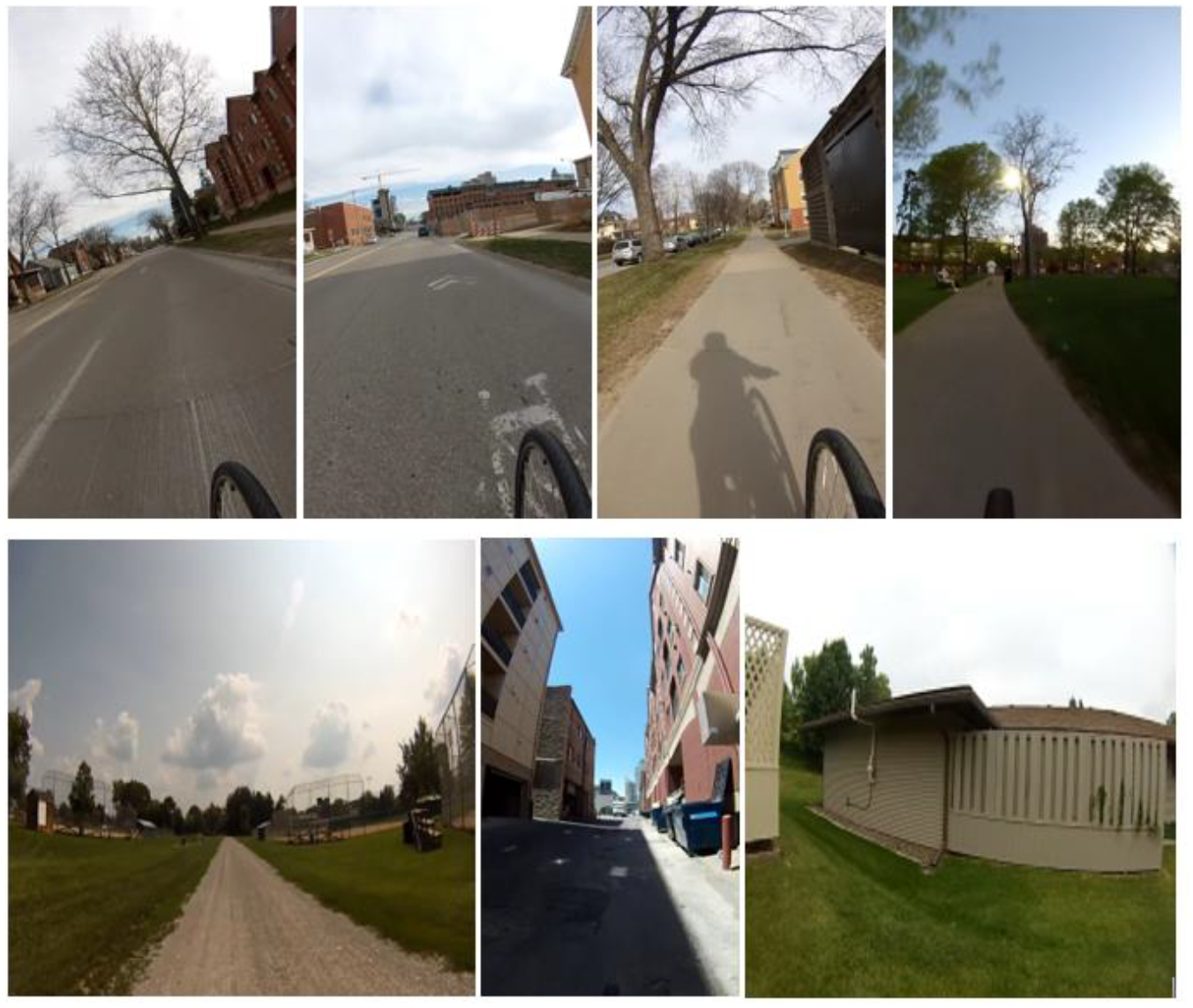
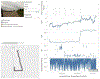
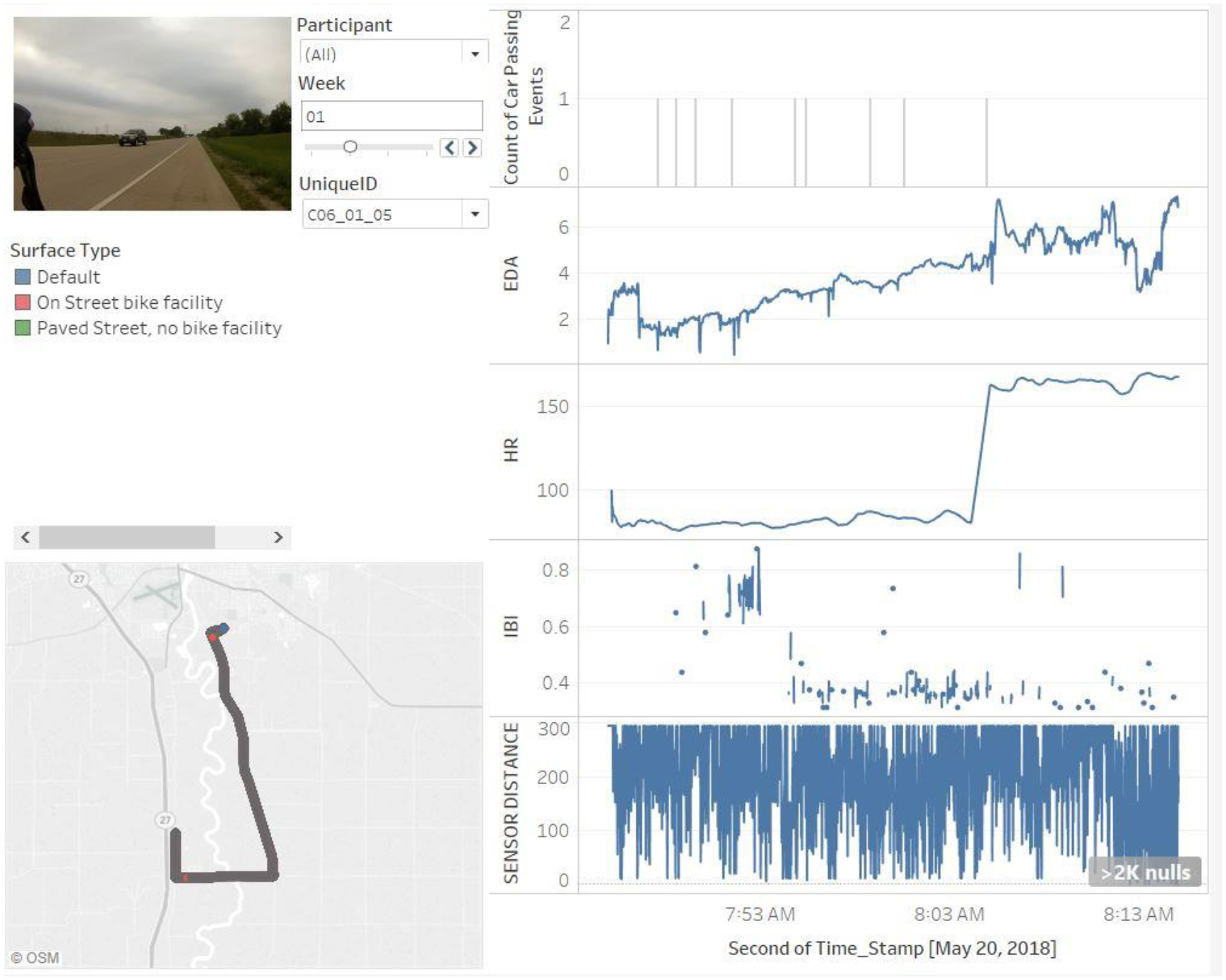
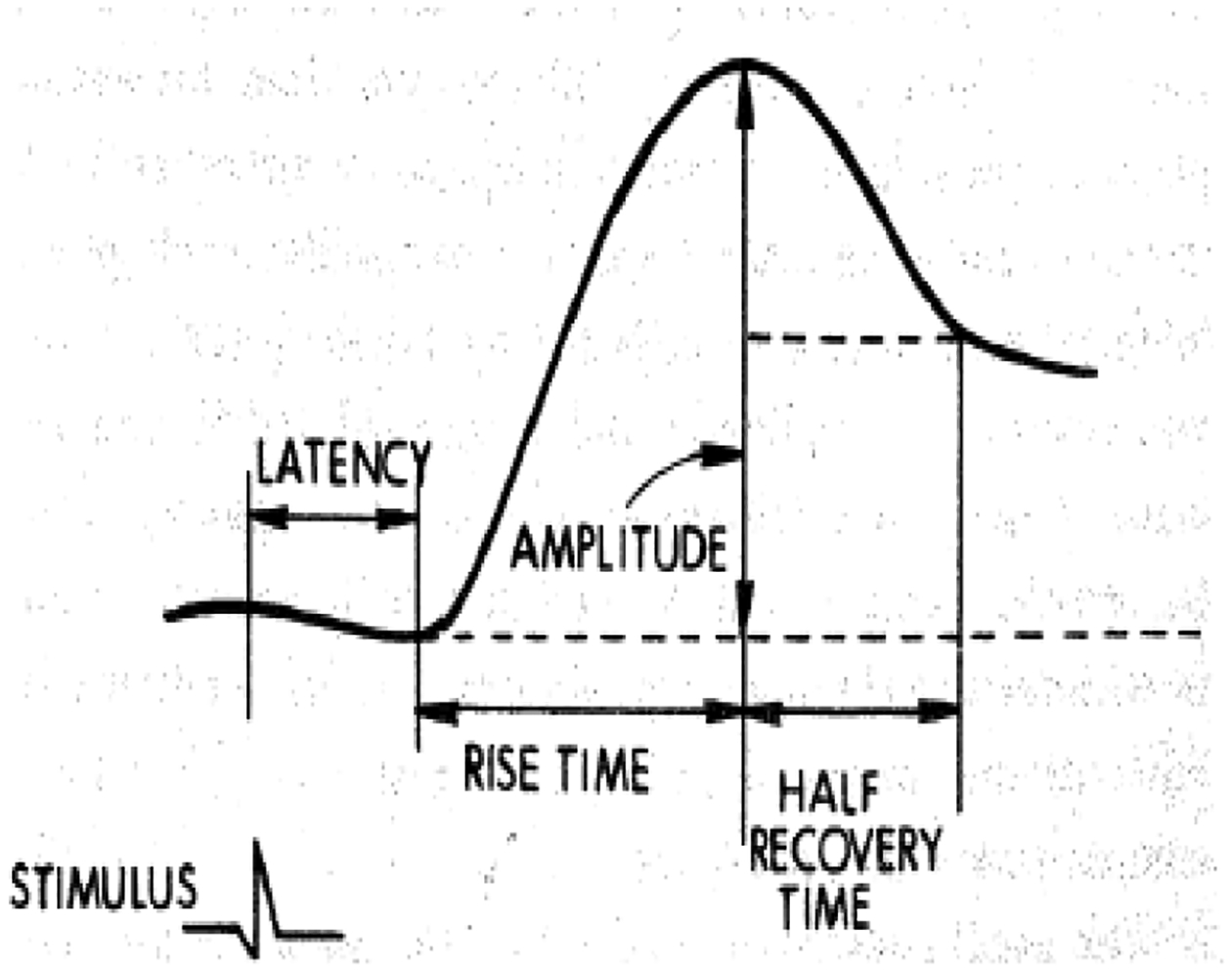
Description:Bicyclists are vulnerable road users who are at a greater risk for injury and fatality during crashes. Additionally, the "near-miss" incidents they experience during regular trips can increase the perceived risk and deter them from riding again. This paper aims to use naturalistic bicycling data collected in Johnson County, Iowa to: 1) study the effect of factors such as road surface type, parked vehicles, pavement markings and car passing events on cyclists' physiological stress and 2) understand the effect of daytime running lights (DRL) as an on-bicycle safety system in providing comfort to cyclists and highlight of their presence on the road to other vehicles. A total of 37 participants were recruited to complete trips over two weekends, one weekend with DRL and the other without DRL. Recruitment was specifically targeted toward cyclists who expressed discomfort riding in traffic. Data were collected using a front forward facing camera, GPS, and a vehicle lateral passing distance sensor mounted on the bicycle and a Empatica E4 wrist band (providing physiological data such as electrodermal activity; EDA) worn by the cyclist. Data from those sources were cleaned, processed, merged, and aggregated into time windows depicting car passing and no car passing events. Mixed effects models were used to study the cyclists' skin conductance response (phasic EDA) and baseline skin conductance level (tonic EDA). Car passing, parked vehicles, and roads with dashed centerline markings were observed to increase the cyclists stress. The use of DRL had negligible impact on cyclist stress on roads.
-
Keywords:
-
Source:Transp Res Interdiscip Perspect. 16
-
Pubmed ID:37181281
-
Pubmed Central ID:PMC10174271
-
Document Type:
-
Funding:
-
Volume:16
-
Collection(s):
-
Main Document Checksum:urn:sha-512:5df5f3b5aa907ba1ea7c9ef80aaa9118d581f030b2d79b9f13e2625a33c9ea600dc617d4374eeb663b336566c0e74a7ffe84c801b66cf16bdacffba8695c42df
-
Download URL:
-
File Type:
 [PDF
- 1.12 MB
]
[PDF
- 1.12 MB
]
Supporting Files


File Language:
English
ON THIS PAGE



CDC STACKS serves as an archival repository of CDC-published products including
scientific findings,
journal articles, guidelines, recommendations, or other public health information authored or
co-authored by CDC or funded partners.
As a repository, CDC STACKS retains documents in their original published format to ensure public access to scientific information.
As a repository, CDC STACKS retains documents in their original published format to ensure public access to scientific information.
You May Also Like
COLLECTION
CDC Public Access