


An Ambivalent Embrace: Service Needs and Gaps for Asian Immigrants in New Destinations
Supporting Files

-
2017
File Language:
English
Details
-
Alternative Title:J Health Dispar Res Pract
-
Personal Author:
-
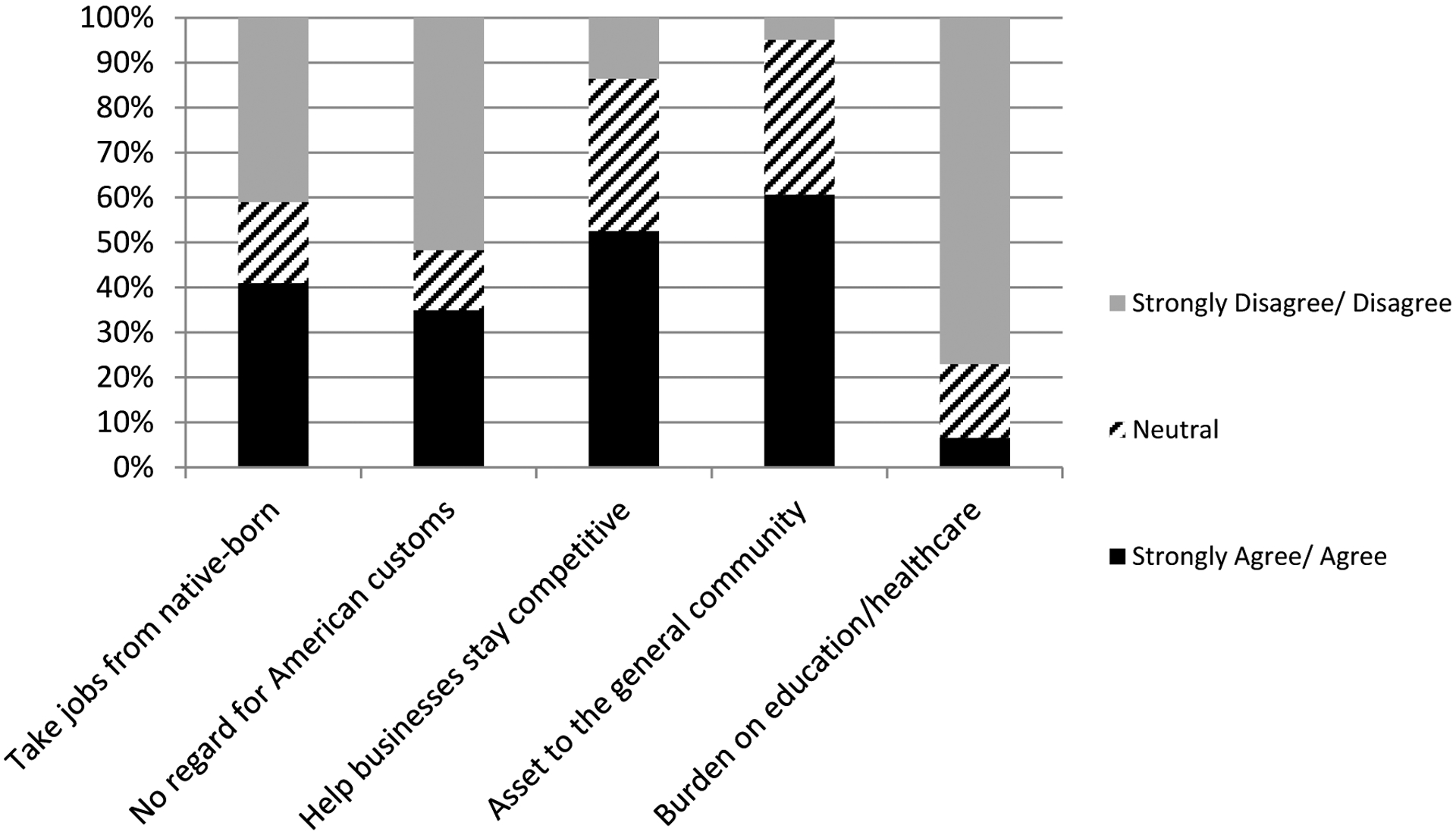
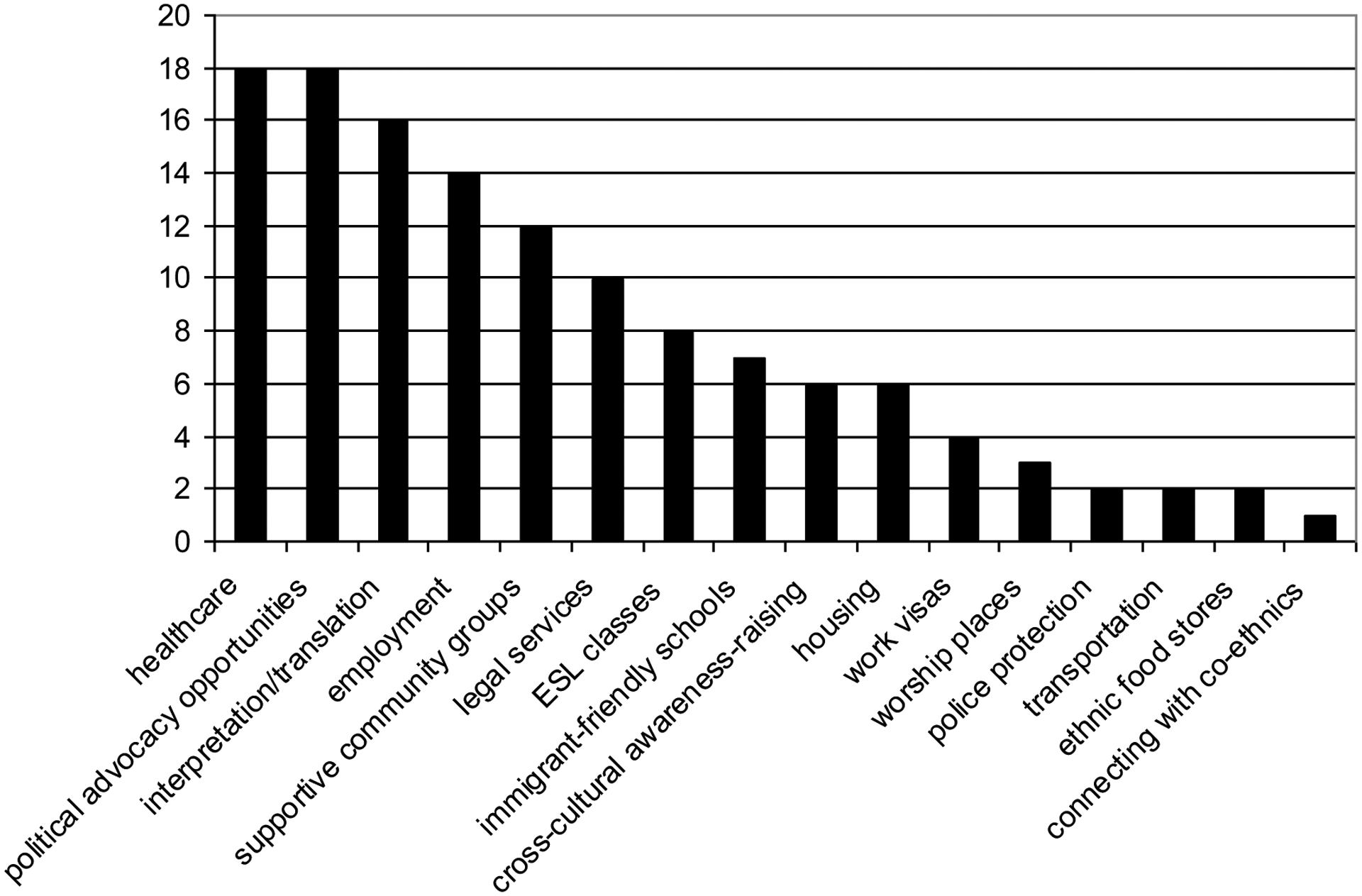
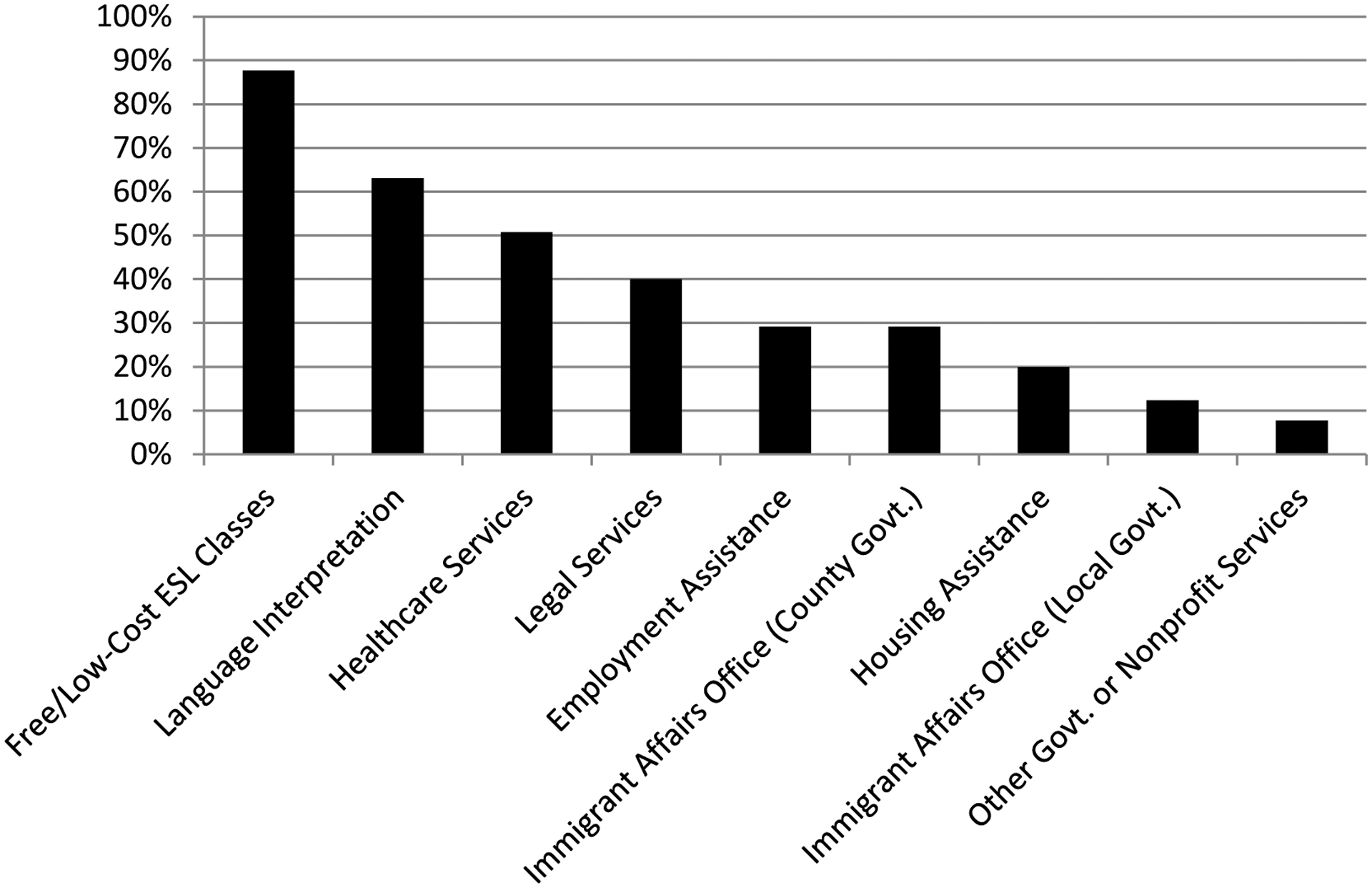
Description:Asian immigrants to the U.S. are settling in "new destinations," but there has been little research on their health care and social service needs. Our analysis of Census data to identify cities with the fastest Asian immigrant population growth (1990-2000) yielded 33 smaller cities in 13 states. The cities ranged in population from 7,677 to 86,660; were spread across 13 states in the Northeast, South, and Midwest regions of the US; and varied widely demographically. Pilot surveys conducted in 2009 indicated that, although many residents had positive attitudes towards immigrants, many were also concerned about job competition and dilution of American culture. Respondents reported a number of immigrant-targeted services but also service gaps and intergroup violence. We characterize smaller new destination cities' mixed response to their fast-growing immigrant populations as an "ambivalent embrace." Service gaps may be related to small city size and relatively small Asian immigrant population size, despite rapid population growth. Funding shortages were also cited as obstacles to cities' responsiveness, suggesting the importance of state and federal government aid.
-
Subjects:
-
Source:J Health Dispar Res Pract. 10(3):116-135
-
Pubmed ID:37089821
-
Pubmed Central ID:PMC10121175
-
Document Type:
-
Funding:
-
Volume:10
-
Issue:3
-
Collection(s):
-
Main Document Checksum:urn:sha256:b6b30a7246ce6de2bb698238a39fac9e68de0b3f980452cbc099180f41062677
-
Download URL:
-
File Type:
 [PDF
- 495.31 KB
]
[PDF
- 495.31 KB
]
Supporting Files


File Language:
English
ON THIS PAGE


CDC STACKS serves as an archival repository of CDC-published products including
scientific findings,
journal articles, guidelines, recommendations, or other public health information authored or
co-authored by CDC or funded partners.
As a repository, CDC STACKS retains documents in their original published format to ensure public access to scientific information.
As a repository, CDC STACKS retains documents in their original published format to ensure public access to scientific information.
You May Also Like
COLLECTION
CDC Public Access