



Modeling and Analyzing for Thermal Protection of Firefighters’ Glove by Phase Change Material
Supporting Files

-
2022 ; 2022
-
Available in CDC Stacks on 2023-04-10T00:00:00Z
File Language:
English
Details
-
Alternative Title:J Environ Occup Sci
-
Personal Author:
-
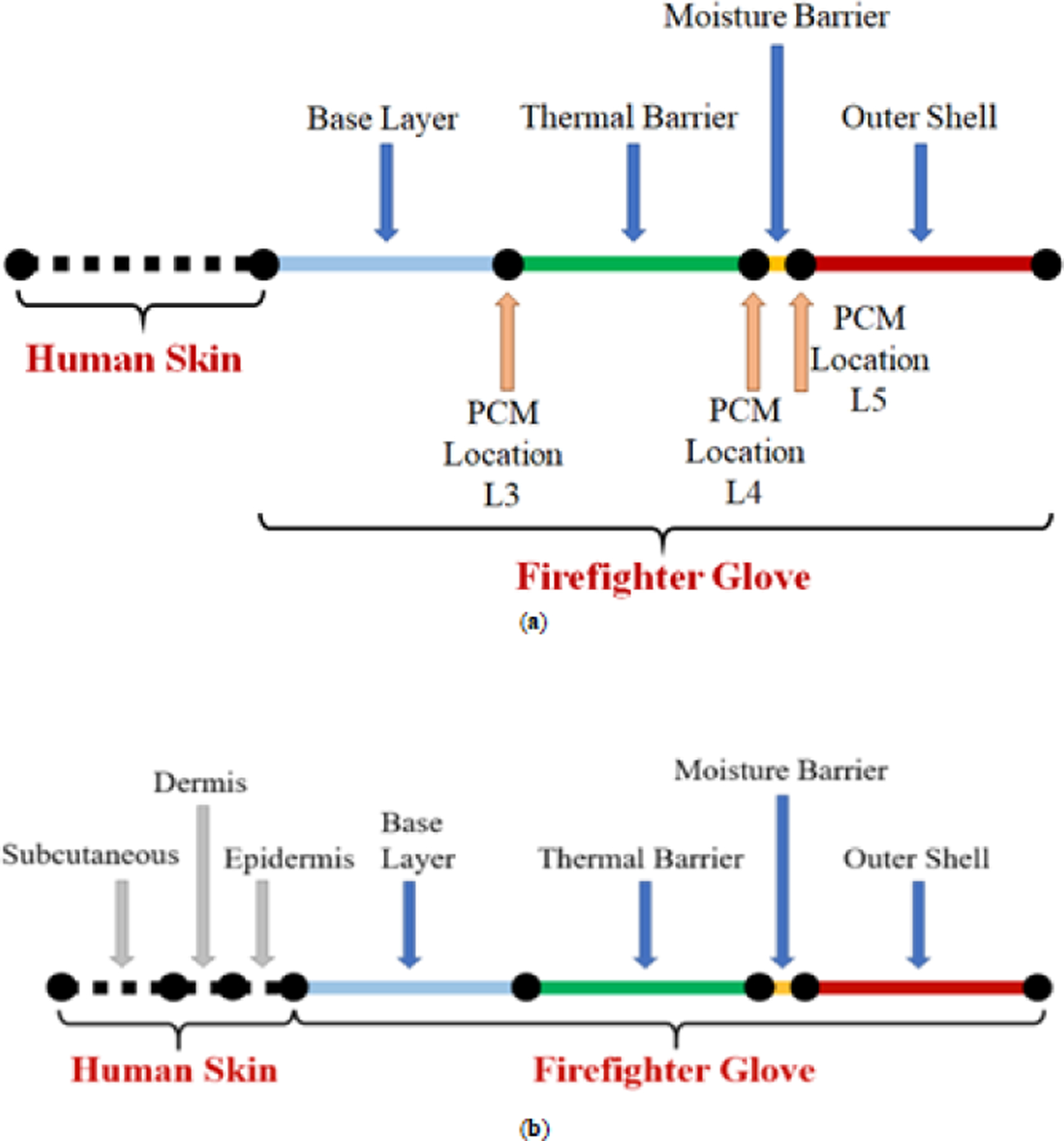
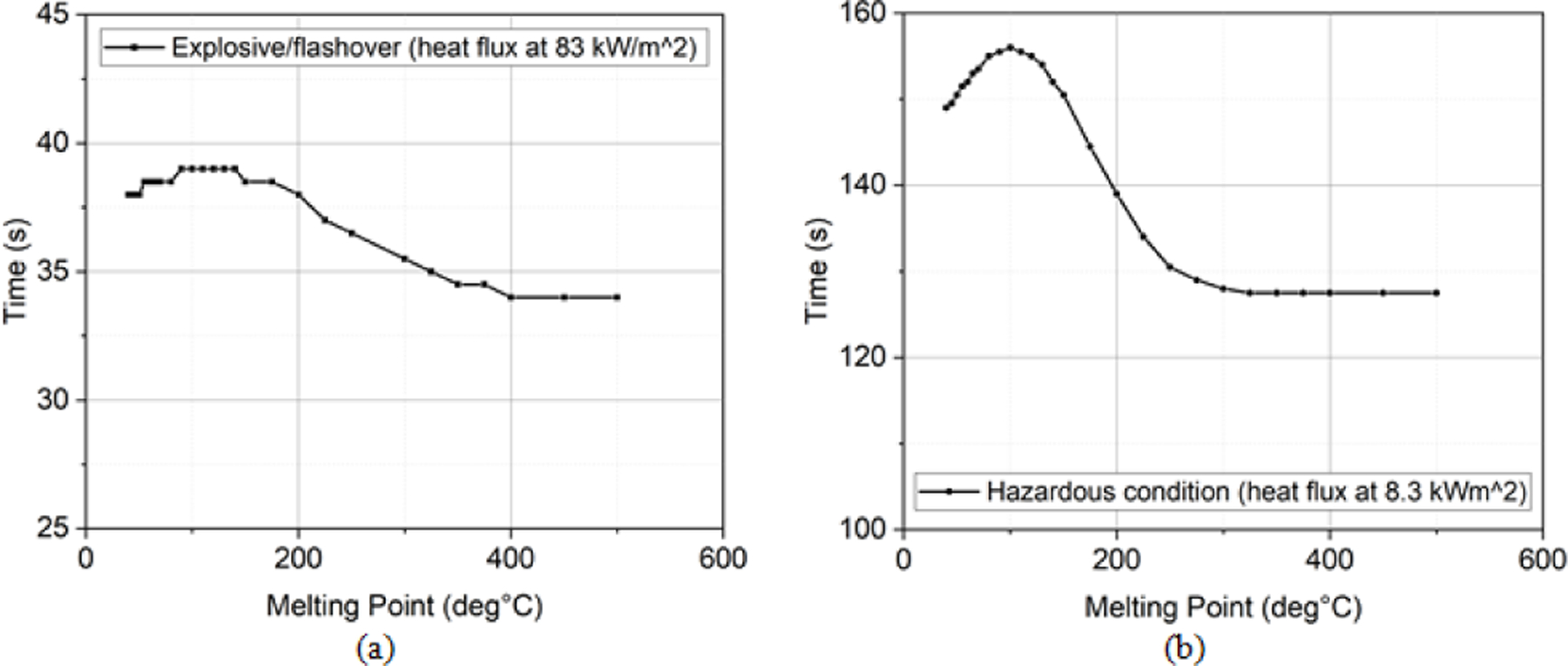
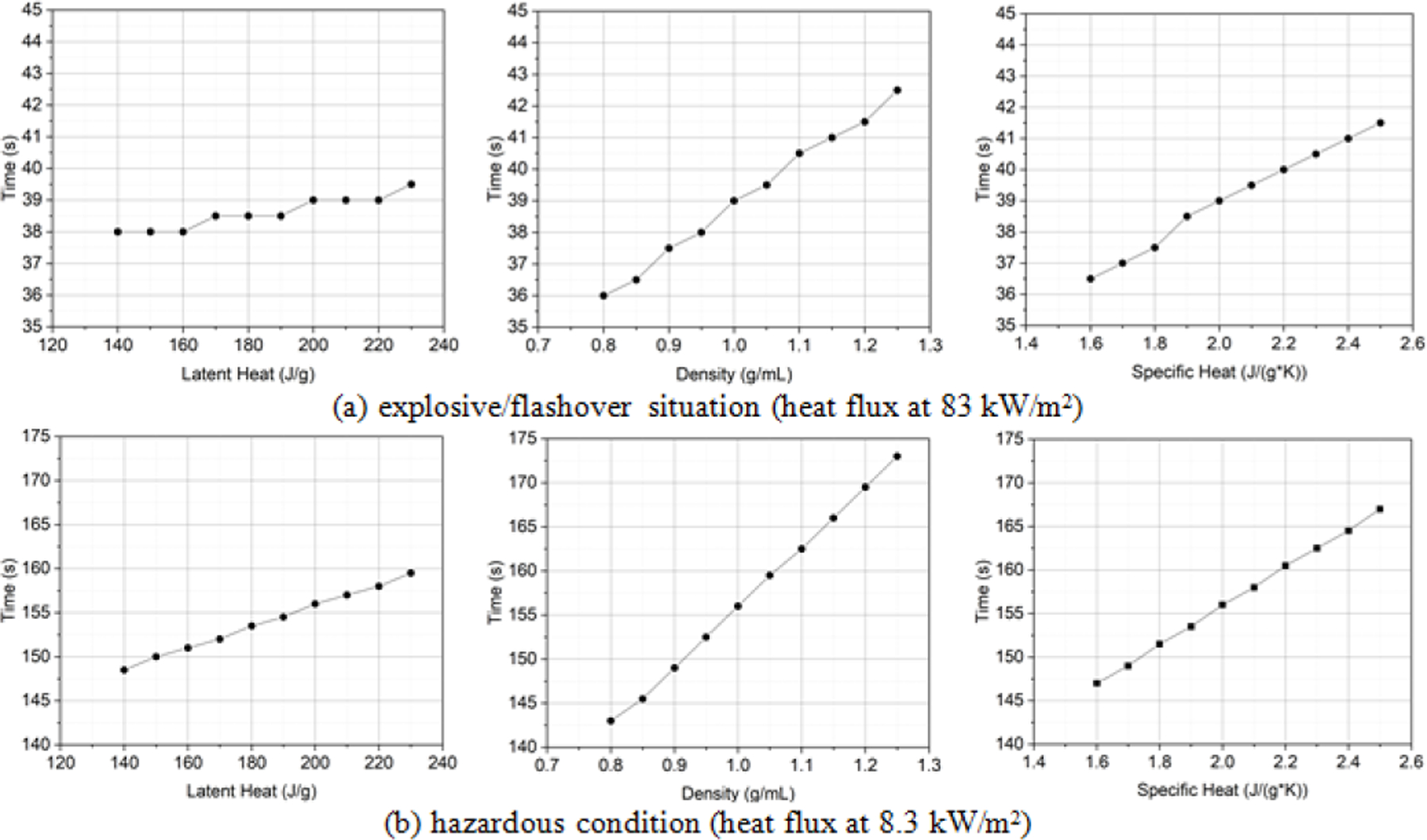
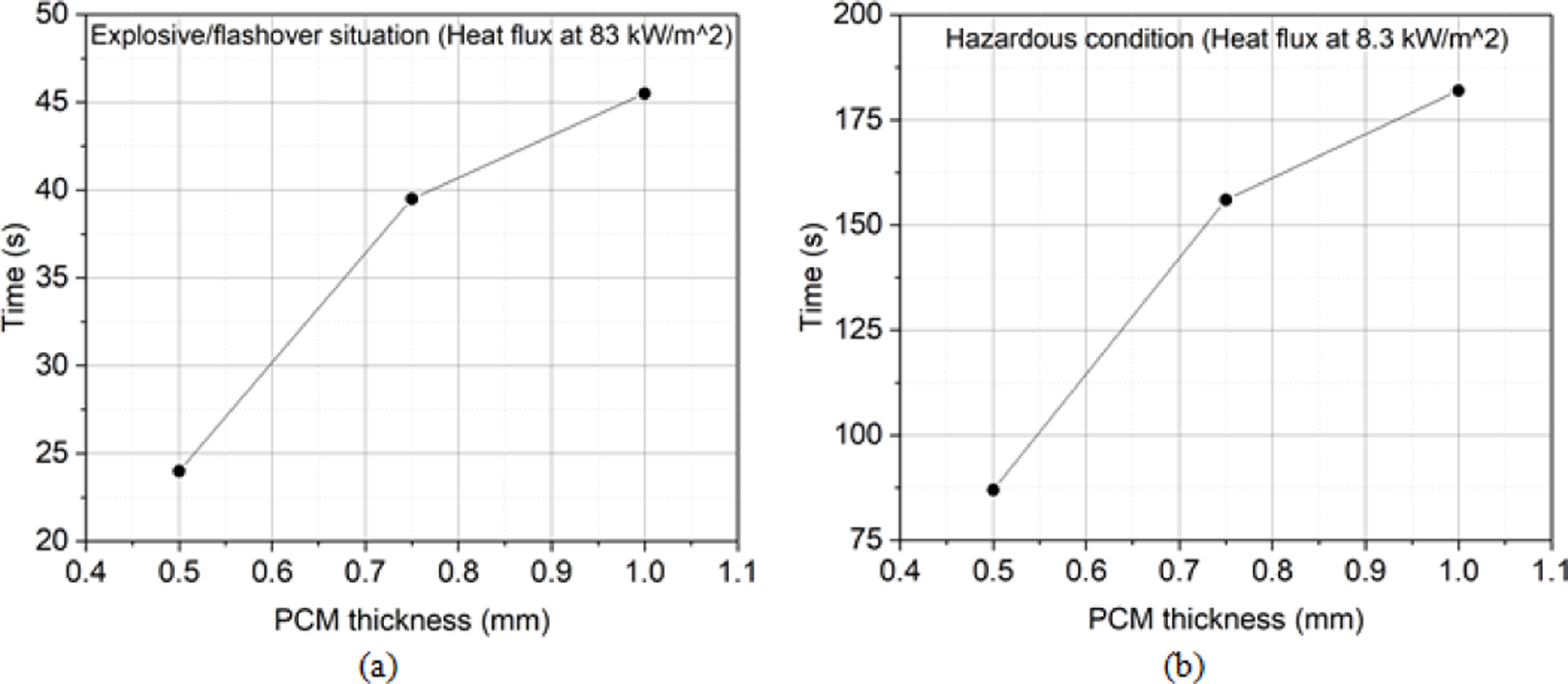
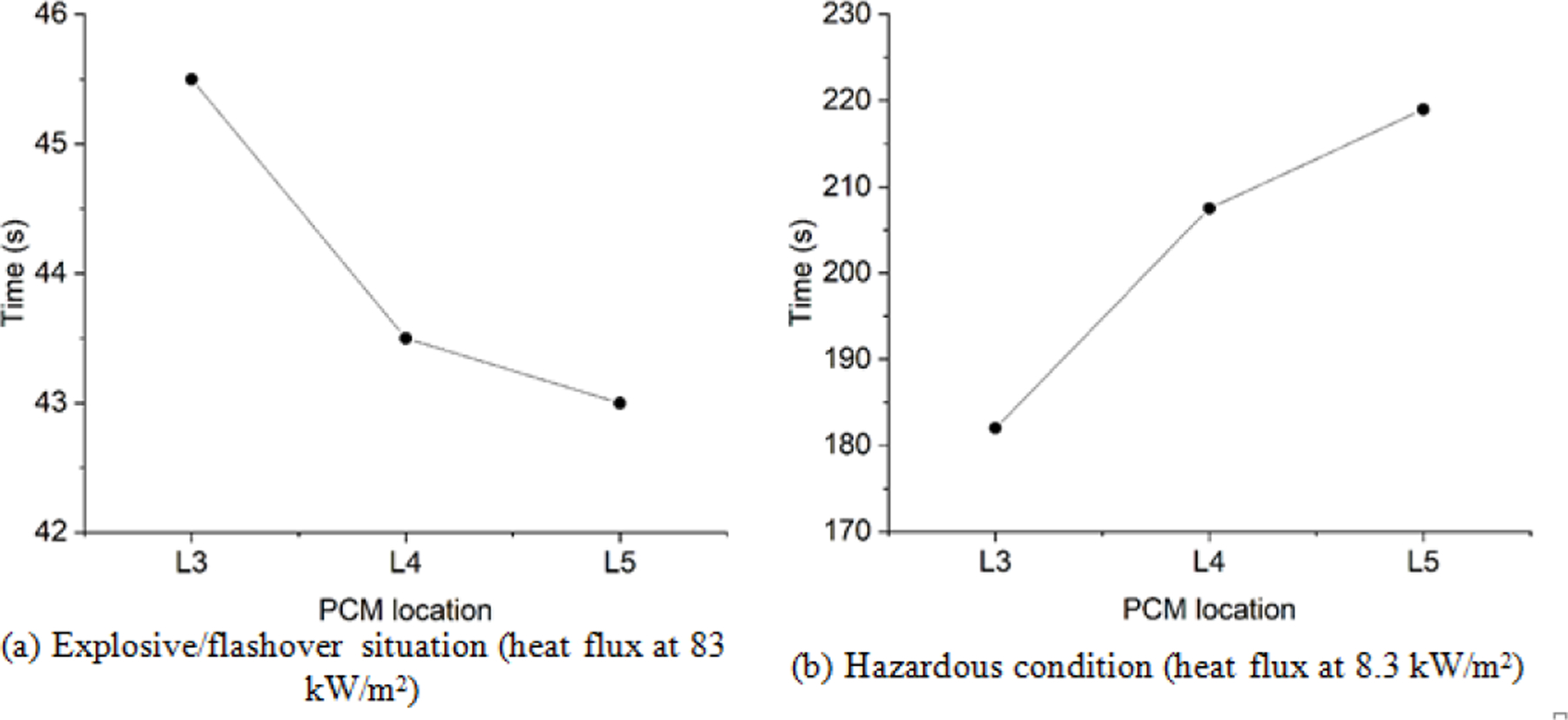
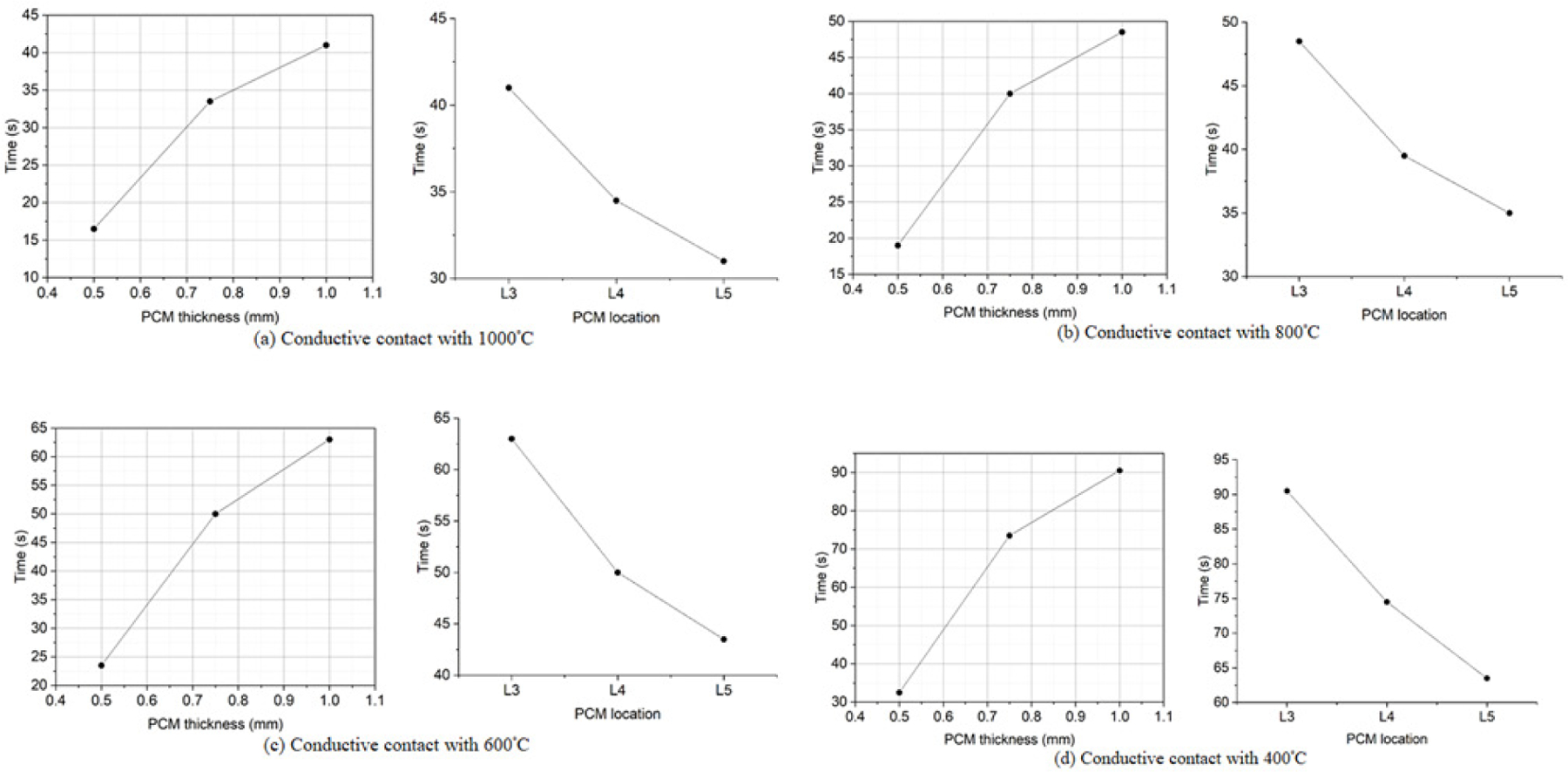
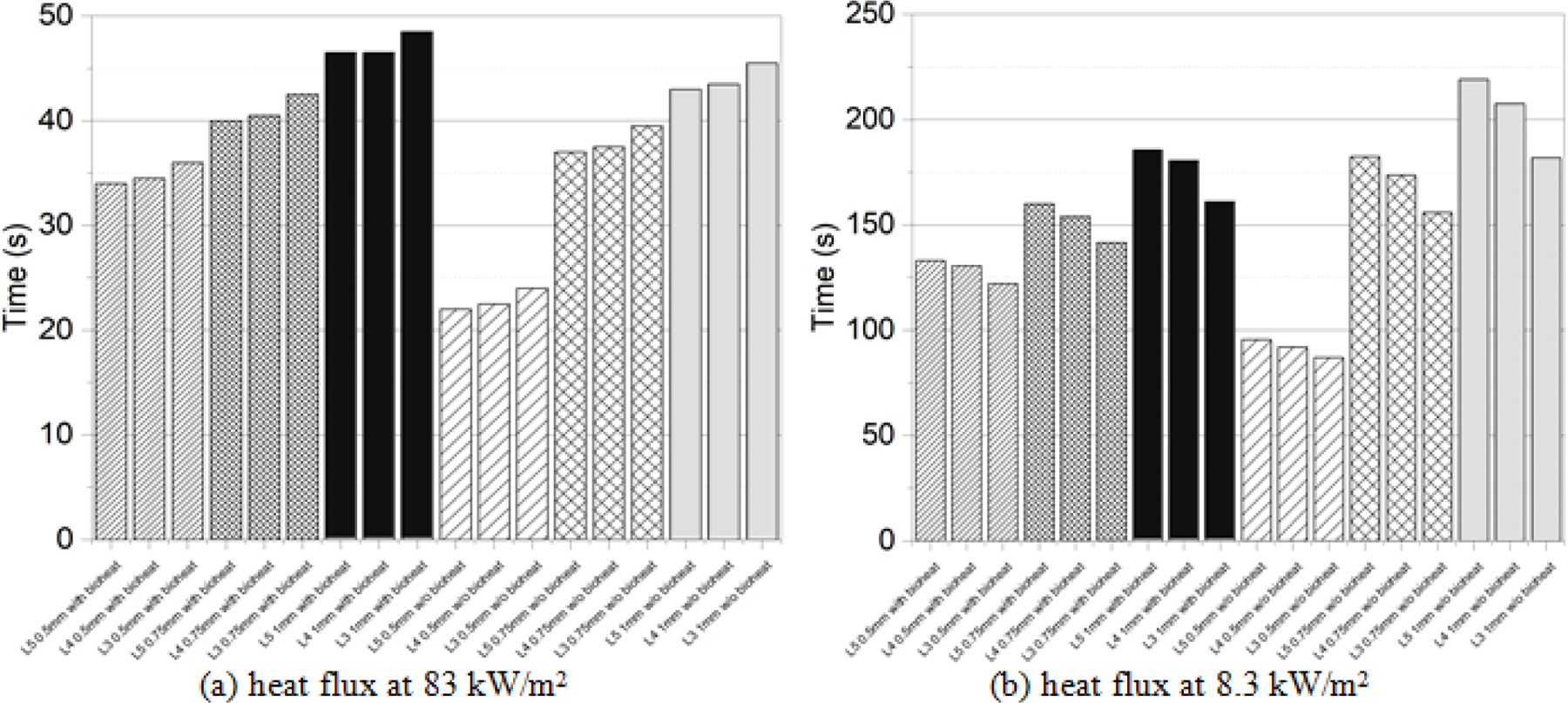
Description:Firefighter injures caused by burns and thermal stress occupies around 5%-10% of the total injuries annually. Glove is the thinnest/weakest components among the firefighter turnout gear, which can put firefighters, are at risk of severe wrist and hand burns during fire calls. Burns can occur quickly and enhancing the thermal protective performance of firefighters' gloves will prevent these burns. One-dimensional (1D) heat transfer modeling and simulations were performed through the COMSOL Multiphysics software to investigate the improvement of thermal protective performance when integrating a Phase Change Material (PCM) layer into a conventional structural firefighting glove. Parametric studies were conducted to explore the effects of PCM thermal properties, layer thickness, and location in glove structure on hand protection. It was found that a PCM with a higher density, specific heat, and latent heat of fusion had a larger heat capacity and thermal inertia, resulting in better thermal protective performance. The optimum melting point of PCM was found to be in the range of 80°C-140°C. A PCM layer with a thickness of 0.5 mm-1.0 mm showed sufficient thermal protection. The location of the PCM layer should be close to the inner glove surface for high-heat situations. Overall, modeling suggests that the addition of a PCM layer could significantly enhance the thermal protective performance of firefighters' gloves, with results showing increased time (2-4 times as long) for skin to reach second-degree burn temperature when compared to the conventional glove without PCM.
-
Subjects:
-
Source:J Environ Occup Sci. 12(2):118-127
-
Pubmed ID:37041862
-
Pubmed Central ID:PMC10084728
-
Document Type:
-
Funding:
-
Volume:12
-
Issue:2
-
Download URL:
-
File Type:
 [PDF - 1.43 MB]
 -
Collection(s):
-
Main Document Checksum:urn:sha256:a81d513bc5ae3f8b99488994e1c1c02a8d8e34ce629ed0c2fd939ab097606da6
Supporting Files


File Language:
English
 Was this page helpful?
 Found an issue?



CDC STACKS serves as an archival repository of CDC-published products including
scientific findings, journal articles, guidelines, recommendations, or other public health information authored or
co-authored by CDC or funded partners.
As a repository, CDC STACKS retains documents in their original published format to ensure public access to scientific information.
As a repository, CDC STACKS retains documents in their original published format to ensure public access to scientific information.
You May Also Like
COLLECTION
CDC Public Access