


Laboratory Assessment of Bacterial Contamination of a Sterile Environment when Using Respirators Not Traditionally Used in a Sterile Field Environment
Supporting Files

-
2022/12/01
-
File Language:
English
Details
-
Journal Article:Infection Control and Hospital Epidemiology
-
Personal Author:
-
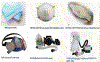
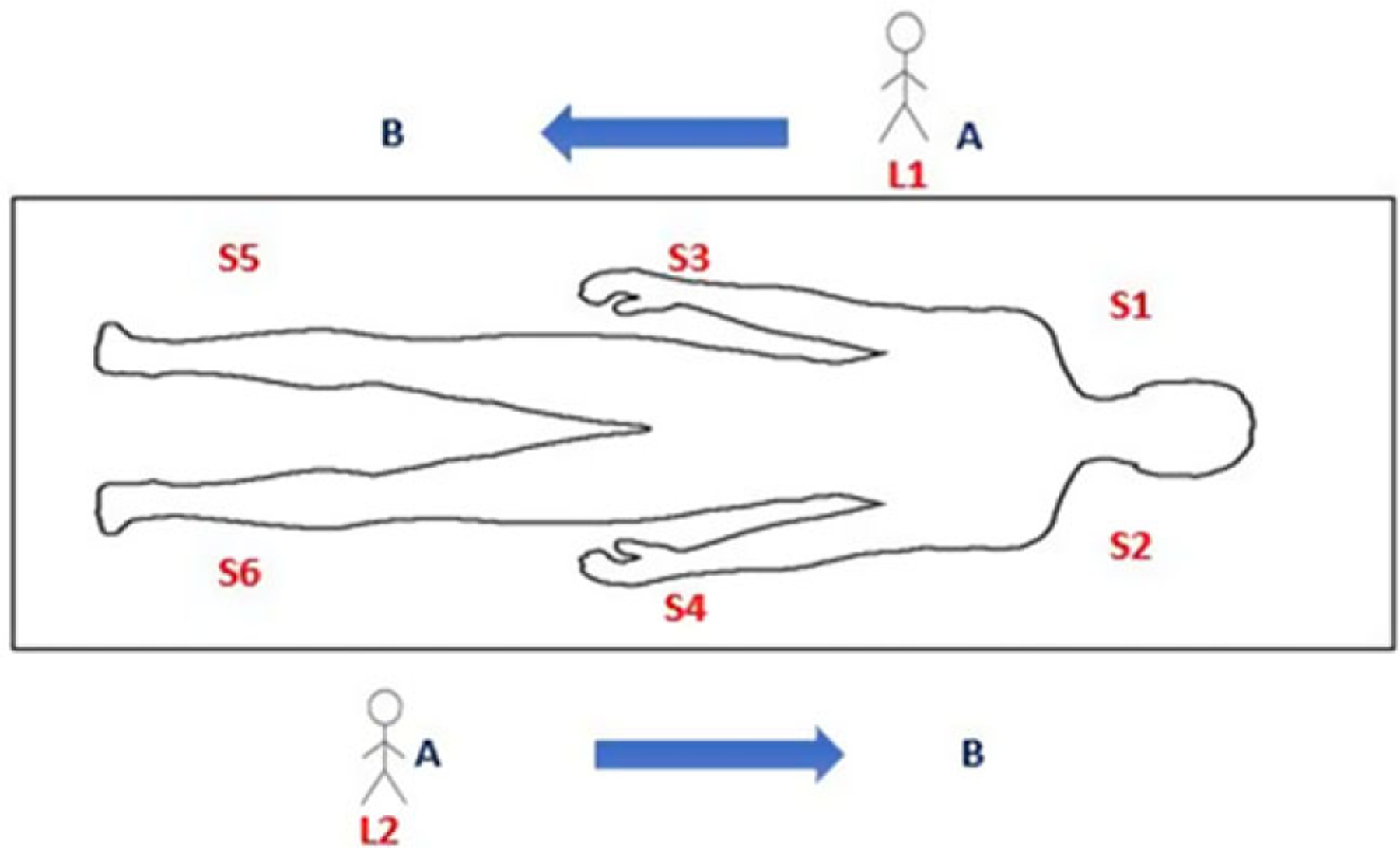
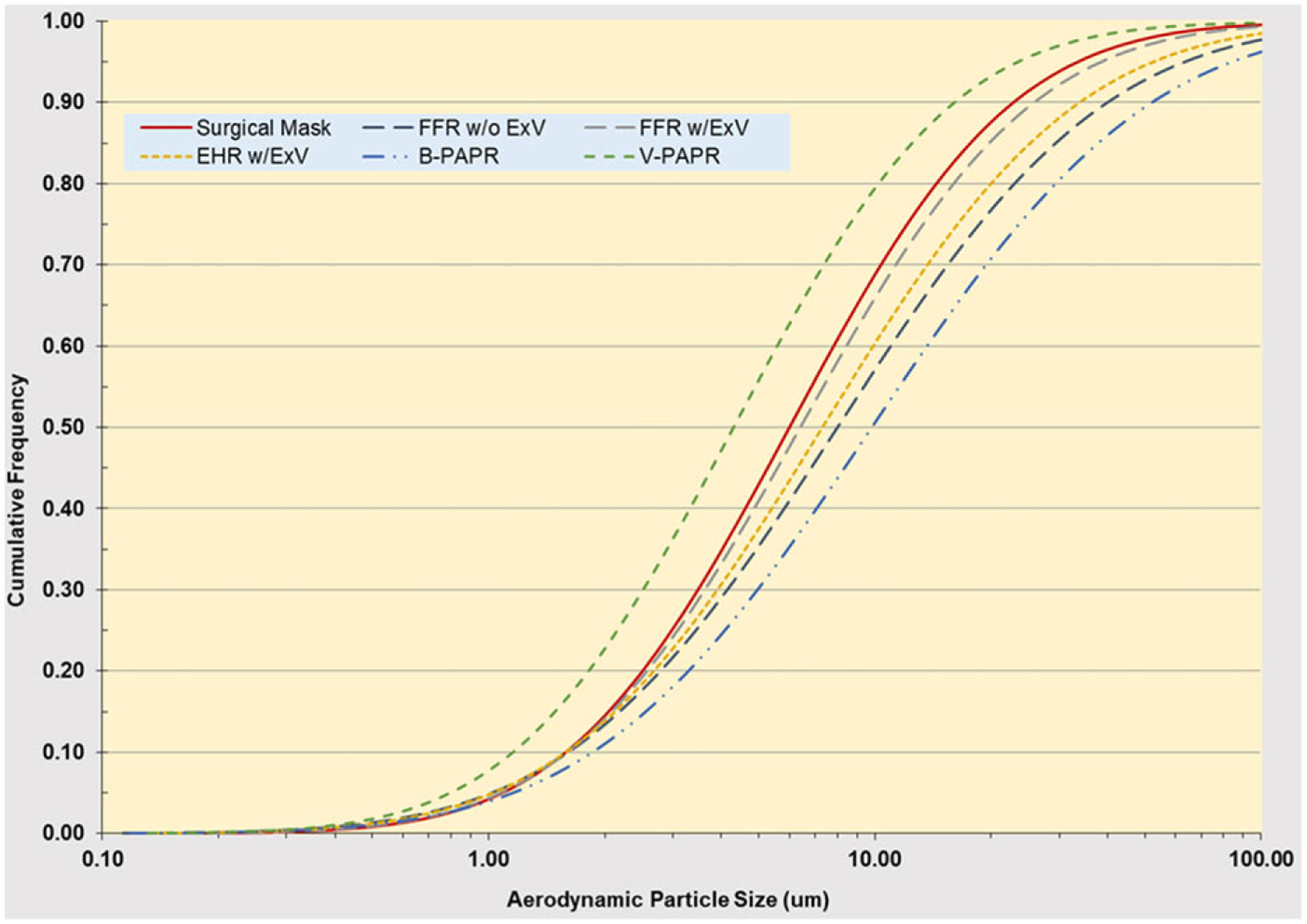
Description:Objective: During infectious disease outbreaks or pandemics, an increased demand for surgical N95s that create shortages and necessitate the use of alternative National Institute for Occupational Safety and Health (NIOSH)-approved respirators that do not meet the Food and Drug Administration (FDA) additional requirements. The objective of this research was to quantify the level of bacterial contamination resulting from wearing NIOSH-approved respirators lacking the additional protections afforded by surgical N95s. Methods: Participants performed simulated healthcare tasks while wearing 5 different respirators approved by the NIOSH. Sterile field contamination resulting from use of a surgical mask cleared by the FDA served as a baseline for comparison with the NIOSH-approved respirators. Results: The bacterial contamination produced by participants wearing the N95 filtering facepiece respirators (FFRs) without an exhalation valve, the powered air-purifying respirators (PAPRs) with an assigned protection factor of 25 or 1,000 was not significantly different compared to the contamination resulting from wearing the surgical mask. The bacterial contamination resulting from wearing the N95 FFR with an exhalation valve and elastomeric half-mask respirator (EHMR) with an exhalation valve was found to be statistically significantly higher than the bacterial contamination resulting from wearing the surgical mask. Conclusions: Overall, NIOSH-approved respirators without exhalation valves maintain a sterile field as well as a surgical mask. These findings inform respiratory guidance on the selection of respirators where sterile fields are needed during shortages of surgical N95 FFRs. [Description provided by NIOSH]
-
Subjects:
-
Keywords:
-
Source:Infect Control Hosp Epidemiol 2022 Dec; 43(12):1867-1872
-
ISSN:0899-823X
-
Pubmed ID:35701856
-
Pubmed Central ID:PMC10081045
-
Document Type:
-
Funding:
-
Genre:
-
Place as Subject:
-
CIO:
-
Division:
-
Topic:
-
Location:
-
Pages in Document:15 pdf pages
-
Volume:43
-
Issue:12
-
NIOSHTIC Number:nn:20065501
-
Contact Point Address:Ziqing Zhuang, Centers for Disease Control and Prevention, National Institute for Occupational Safety and Health, National Personal Protective Technology Laboratory, Pittsburgh, Pennsylvania
-
Email:zaz3@cdc.gov
-
Federal Fiscal Year:2023
-
NORA Priority Area:
-
Peer Reviewed:True
-
Collection(s):
-
Main Document Checksum:urn:sha-512:0c9f8314e0335310be0f06e45bde142eb29bcf529bff0393e200b15389003dc4fd1a262ff60d4c15962507e58e5698790597af22f4314c561adf2fd7f44e651e
-
Download URL:
-
File Type:
 [PDF
- 829.17 KB
]
[PDF
- 829.17 KB
]

Supporting Files


File Language:
English
ON THIS PAGE



CDC STACKS serves as an archival repository of CDC-published products including
scientific findings,
journal articles, guidelines, recommendations, or other public health information authored or
co-authored by CDC or funded partners.
As a repository, CDC STACKS retains documents in their original published format to ensure public access to scientific information.
As a repository, CDC STACKS retains documents in their original published format to ensure public access to scientific information.
You May Also Like