


Trajectories of Self-Management and Independence in Youth with Spina Bifida: Demographic Predictors of Growth
Supporting Files

-
5 2023
-
File Language:
English
Details
-
Alternative Title:Child Care Health Dev
-
Personal Author:
-
Description:Aim:
The purpose of this study was to examine the trajectories of condition and independent living self-management in youth with spina bifida.
Methods:
A diverse sample of adolescents and young adults (AYA) with spina bifida (SB) completed the Adolescent/Young Adult Self-Management and Independence Scale (AMIS-II) across four time points. Parents reported on demographic characteristics including age, sex, race/ethnicity, and family income. Growth in self-management and its subscales (condition and independent living) were estimated using linear mixed effects models as a function of respondents’ demographics.
Results:
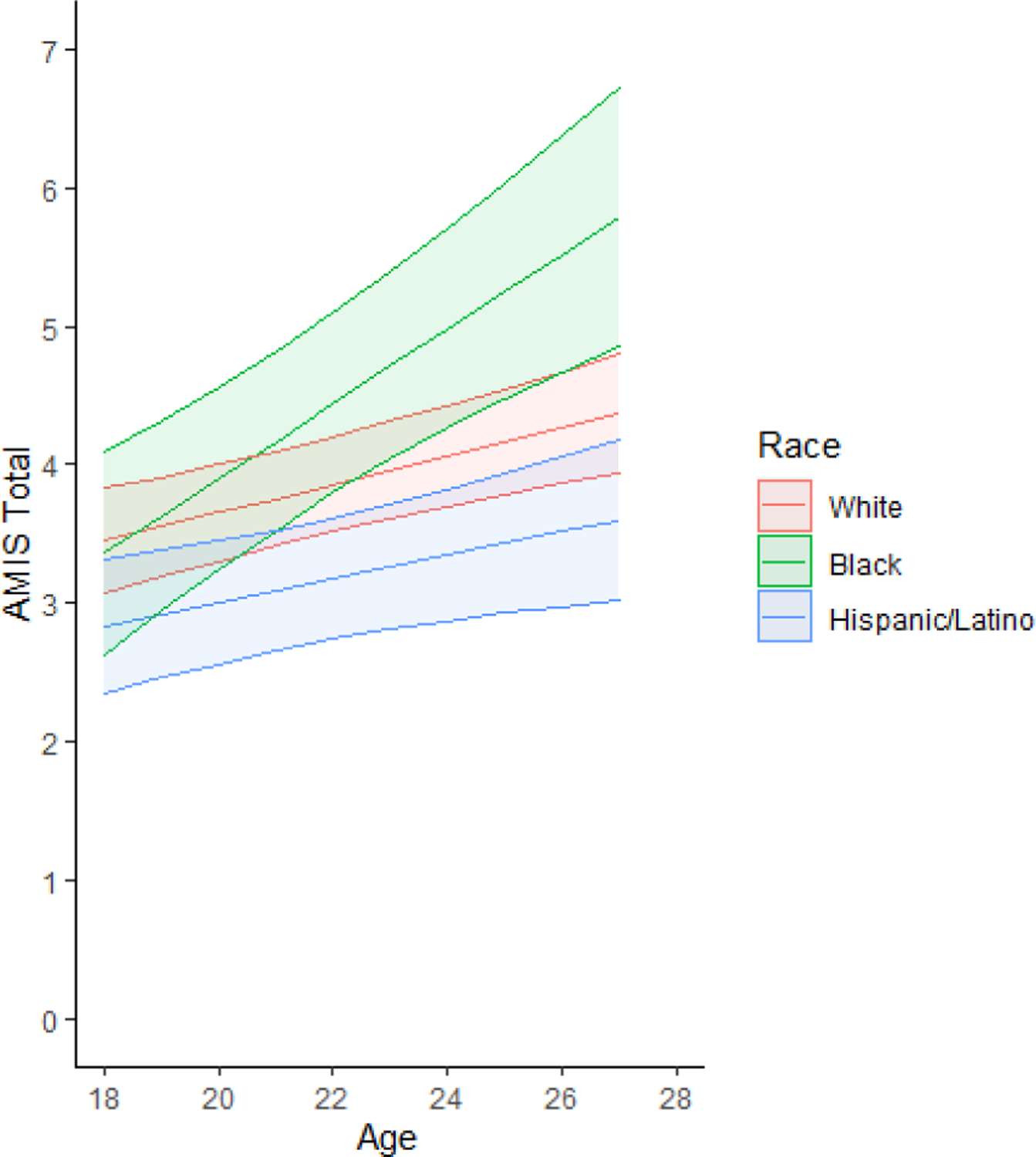
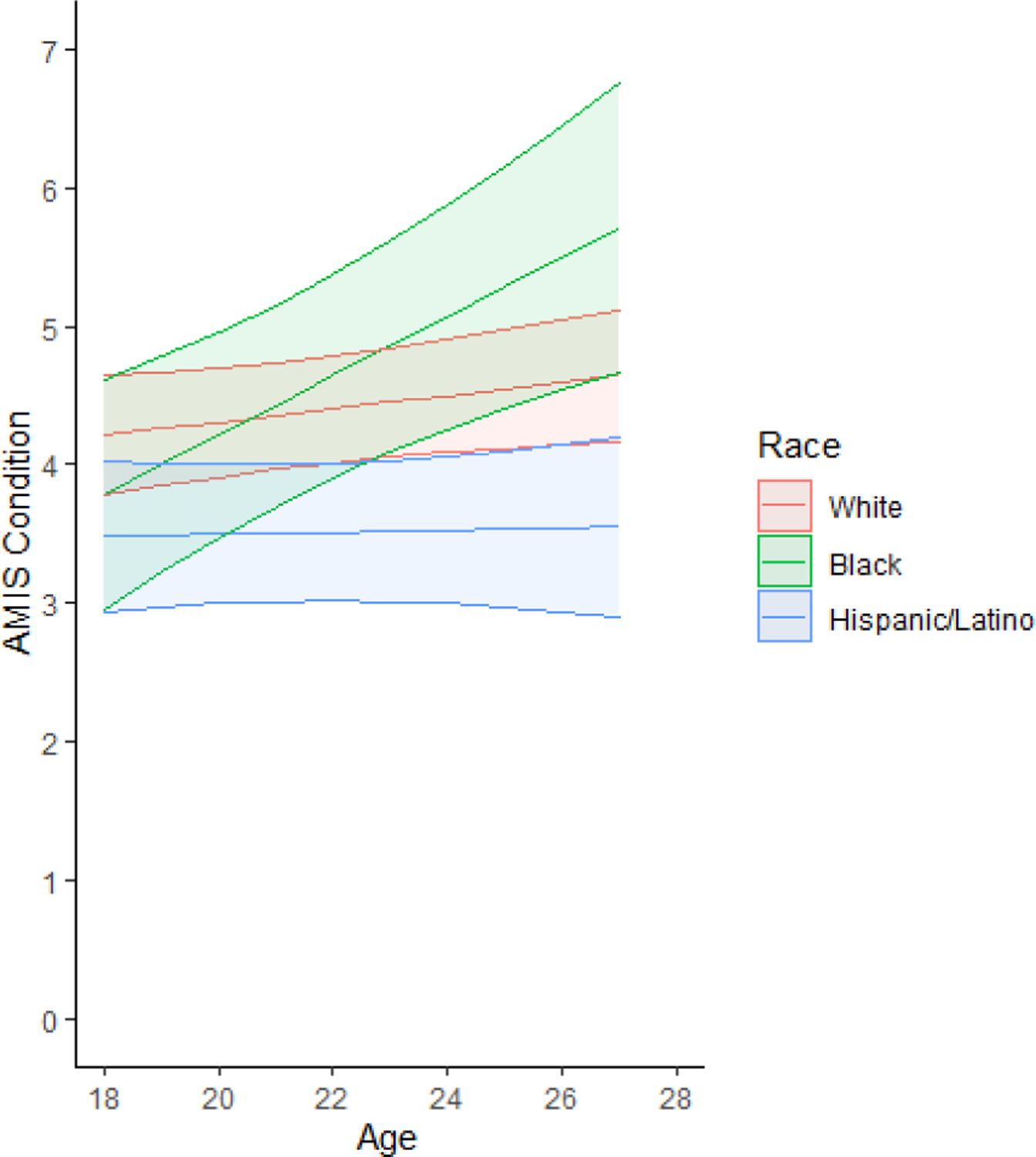
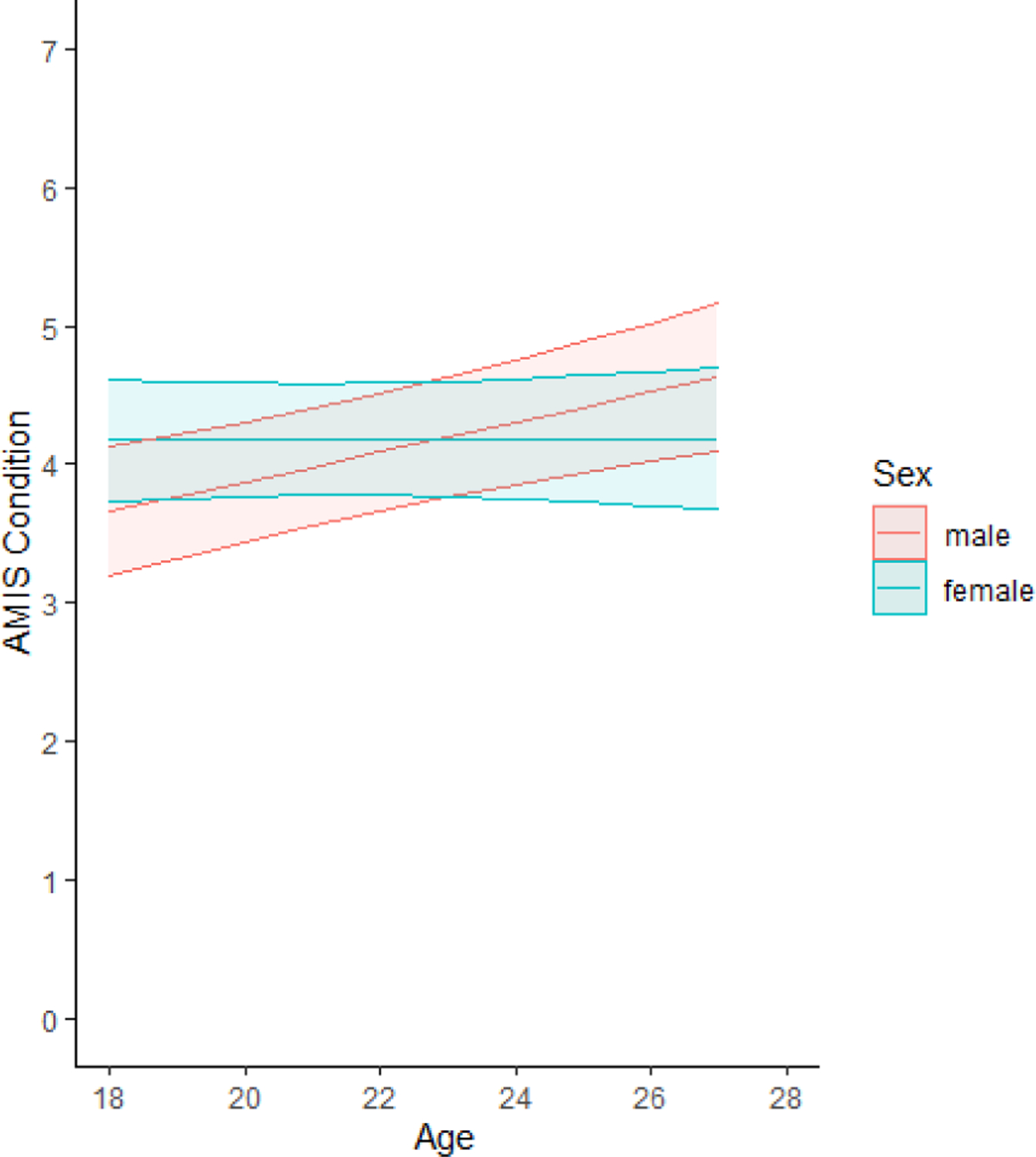
This study included 99 respondents age 18 to 27 years old. About half were female (52.5%) and White (52.5%); 15.2% were Black, and about a third were Hispanic/Latino (32.3%). Eighty-seven AYAs (87.9%) had myelomeningocele. The lesion level was 31.3% sacral, 48.5% lumbar, and 18.2% thoracic. A third of the families earned less than 50K. Overall, self-management growth was dependent on age, sex, and race/ethnicity, but not income. Growth in condition self-management depended on sex; only males demonstrated increasing growth (β^=0.11, p < .001). Black participants endorsed higher increasing total and condition self-management when compared to White (β^diff=0.17 and 0.17, respectively, both p < .05) and Hispanic/Latino (β^diff=0.18 and 0.21, respectively, both p = .02) respondents.
Conclusion:
This study provides evidence of differences in growth of self-management by demographic/social determinants of health. Possible reasons for differences are discussed. Predictors of changes in self-management behaviors over time in young adults with SB can identify subgroups in need of further study.
-
Subjects:
-
Source:Child Care Health Dev. 49(3):508-517
-
Pubmed ID:36206540
-
Pubmed Central ID:PMC10079778
-
Document Type:
-
Funding:
-
Volume:49
-
Issue:3
-
Collection(s):
-
Main Document Checksum:urn:sha256:09592bde368903cd89f0347977c36c0f7edf571269bf66fa1eca9d8768928ca5
-
Download URL:
-
File Type:
 [PDF
- 726.95 KB
]
[PDF
- 726.95 KB
]
Supporting Files


File Language:
English
ON THIS PAGE

CDC STACKS serves as an archival repository of CDC-published products including
scientific findings,
journal articles, guidelines, recommendations, or other public health information authored or
co-authored by CDC or funded partners.
As a repository, CDC STACKS retains documents in their original published format to ensure public access to scientific information.
As a repository, CDC STACKS retains documents in their original published format to ensure public access to scientific information.
You May Also Like
COLLECTION
CDC Public Access