



Dysbiosis, inflammation, and response to treatment: a longitudinal study of pediatric subjects with newly diagnosed inflammatory bowel disease
Supporting Files
Public Domain

-
Jul 13 2016
-
Available in CDC Stacks on July 13, 2016, 12:00 AM
Details
-
Alternative Title:Genome Med
-
Personal Author:
-
Description:Background
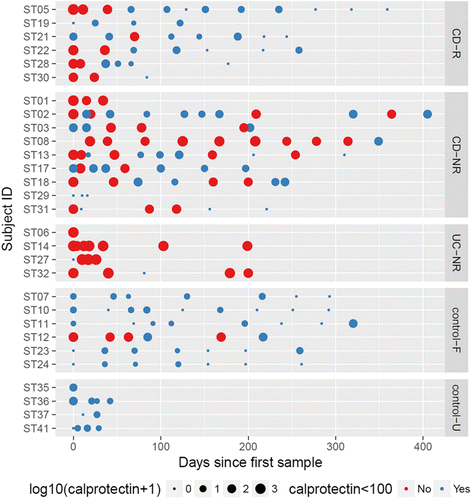
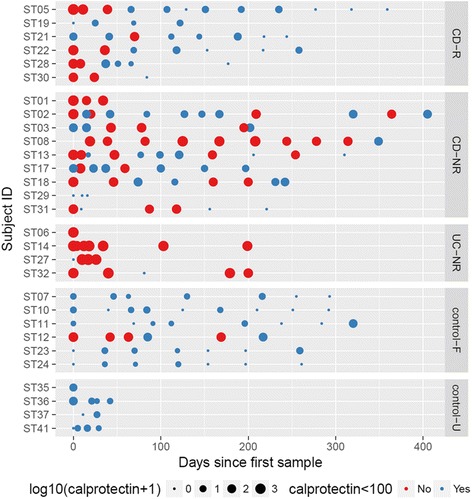
Gut microbiome dysbiosis has been demonstrated in subjects with newly diagnosed and chronic inflammatory bowel disease (IBD). In this study we sought to explore longitudinal changes in dysbiosis and ascertain associations between dysbiosis and markers of disease activity and treatment outcome.
Methods
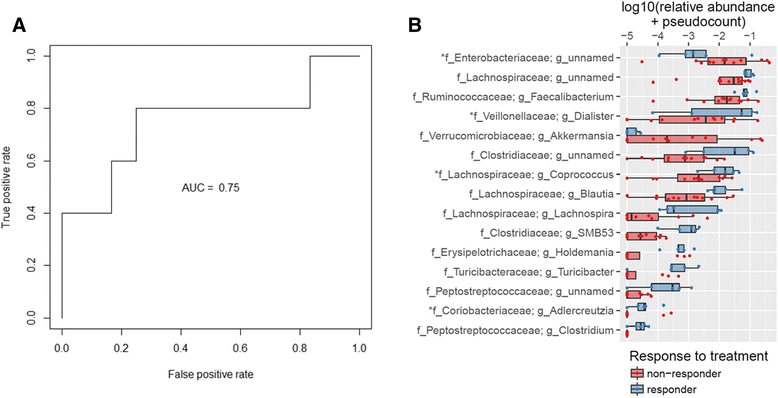
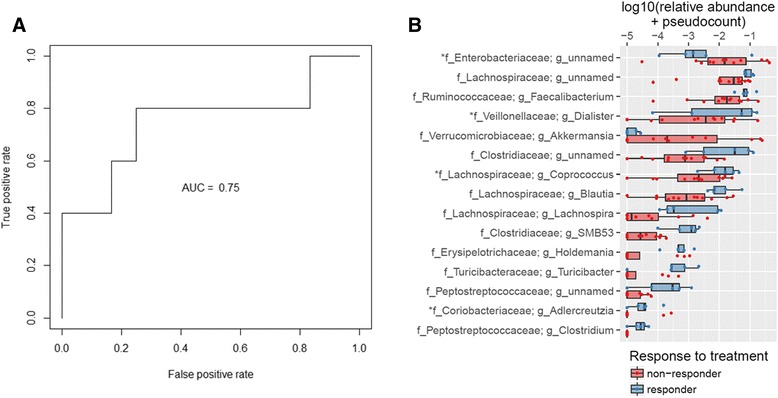
We performed a prospective cohort study of 19 treatment-naïve pediatric IBD subjects and 10 healthy controls, measuring fecal calprotectin and assessing the gut microbiome via repeated stool samples. Associations between clinical characteristics and the microbiome were tested using generalized estimating equations. Random forest classification was used to predict ultimate treatment response (presence of mucosal healing at follow-up colonoscopy) or non-response using patients’ pretreatment samples.
Results
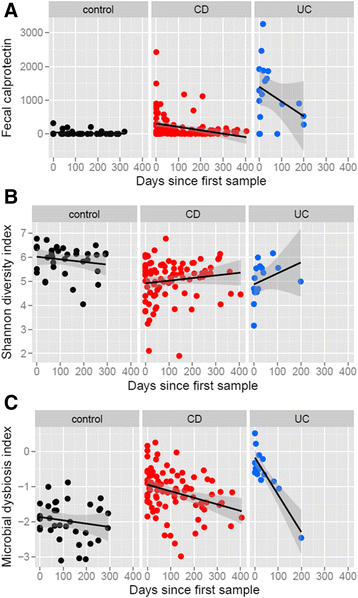
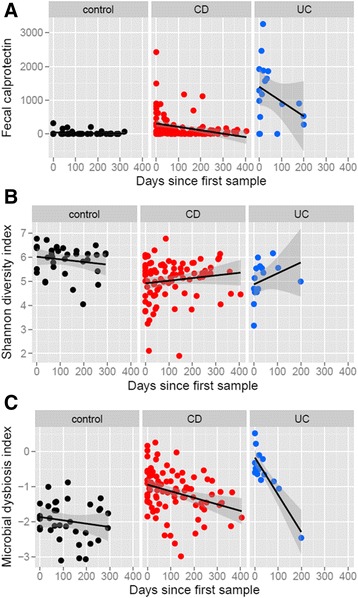
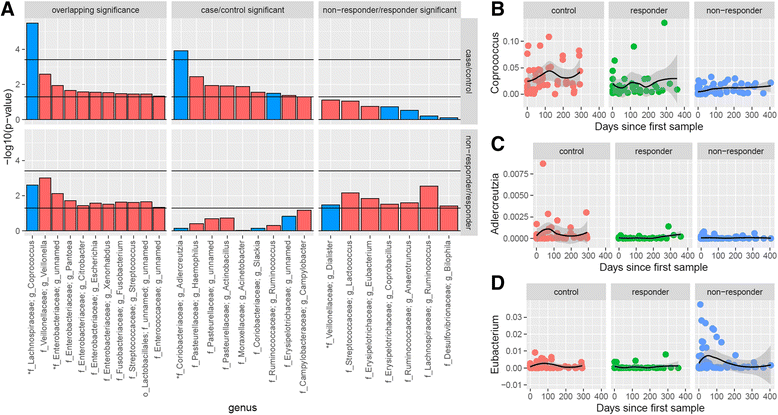
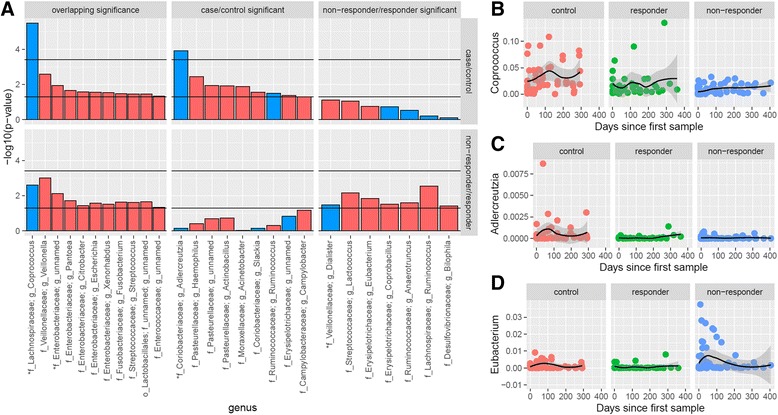
Patients with Crohn’s disease had increased markers of inflammation and dysbiosis compared to controls. Patients with ulcerative colitis had even higher inflammation and dysbiosis compared to those with Crohn’s disease. For all cases, the gut microbial dysbiosis index associated significantly with clinical and biological measures of disease severity, but did not associate with treatment response. We found differences in specific gut microbiome genera between cases/controls and responders/non-responders including Akkermansia, Coprococcus, Fusobacterium, Veillonella, Faecalibacterium, and Adlercreutzia. Using pretreatment microbiome data in a weighted random forest classifier, we were able to obtain 76.5 % accuracy for prediction of responder status.
Conclusions
Patient dysbiosis improved over time but persisted even among those who responded to treatment and achieved mucosal healing. Although dysbiosis index was not significantly different between responders and non-responders, we found specific genus-level differences. We found that pretreatment microbiome signatures are a promising avenue for prediction of remission and response to treatment.
Electronic supplementary material
The online version of this article (doi:10.1186/s13073-016-0331-y) contains supplementary material, which is available to authorized users. -
Subjects:
-
Source:Genome Med. 8.
-
Pubmed ID:27412252
-
Pubmed Central ID:PMC4944441
-
Document Type:
-
Volume:8
-
Download URL:
-
File Type:
 [PDF - 1.68 MB]
 -
Collection(s):
-
Main Document Checksum:urn:sha-512:6f96bc1764c0d81874a73145964fb18ff9a1c0f0f6bdeab95ec07e0fa4bd1b88c2184d558bb805f2954d0f5270c4c37f2641a9084b3bef6f931621b3990d00ed
Supporting Files


 Was this page helpful?
 Found an issue?

CDC STACKS serves as an archival repository of CDC-published products including
scientific findings, journal articles, guidelines, recommendations, or other public health information authored or
co-authored by CDC or funded partners.
As a repository, CDC STACKS retains documents in their original published format to ensure public access to scientific information.
As a repository, CDC STACKS retains documents in their original published format to ensure public access to scientific information.
You May Also Like
COLLECTION
CDC Public Access