



Practicing Tribal Sovereignty Through a Tribal Health Policy: Implementation of the Healthy Diné Nation Act on the Navajo Nation
Supporting Files

-
11 23 2022
File Language:
English
Details
-
Journal Article:Preventing Chronic Disease (PCD)
-
Personal Author:Eddie, Regina ; Curley, Caleigh ; Yazzie, Del ; Francisco, Simental ; Antone-Nez, Ramona ; Begay, Gloria Ann ; Sanderson, Priscilla R. ; George, Carmen ; Shin, Sonya ; Jumbo-Rintila, Shirleen ; Teufel-Shone, Nicolette ; Baldwin, Julie ; de Heer, Hendrik “Dirk”
-
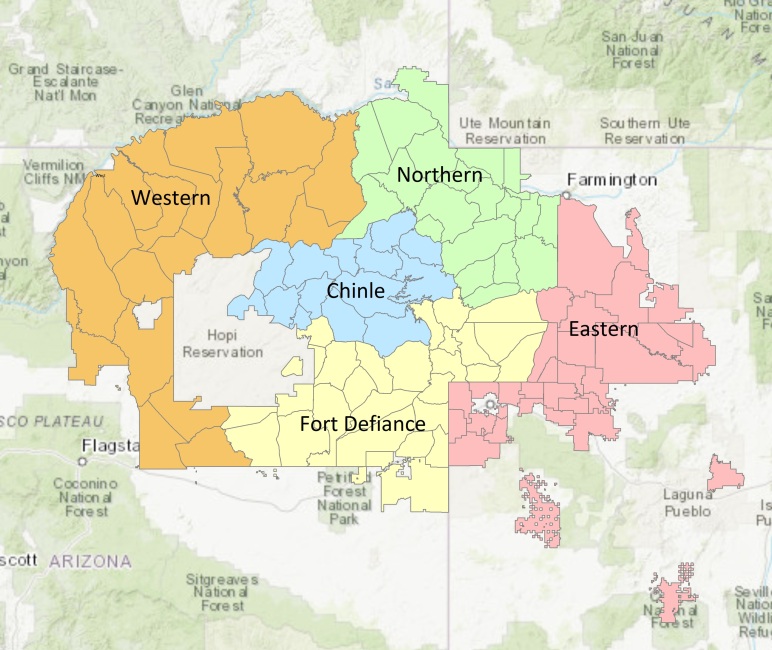
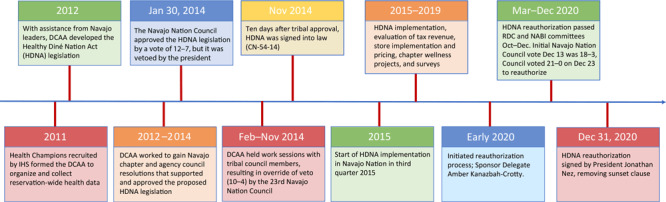
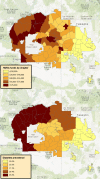
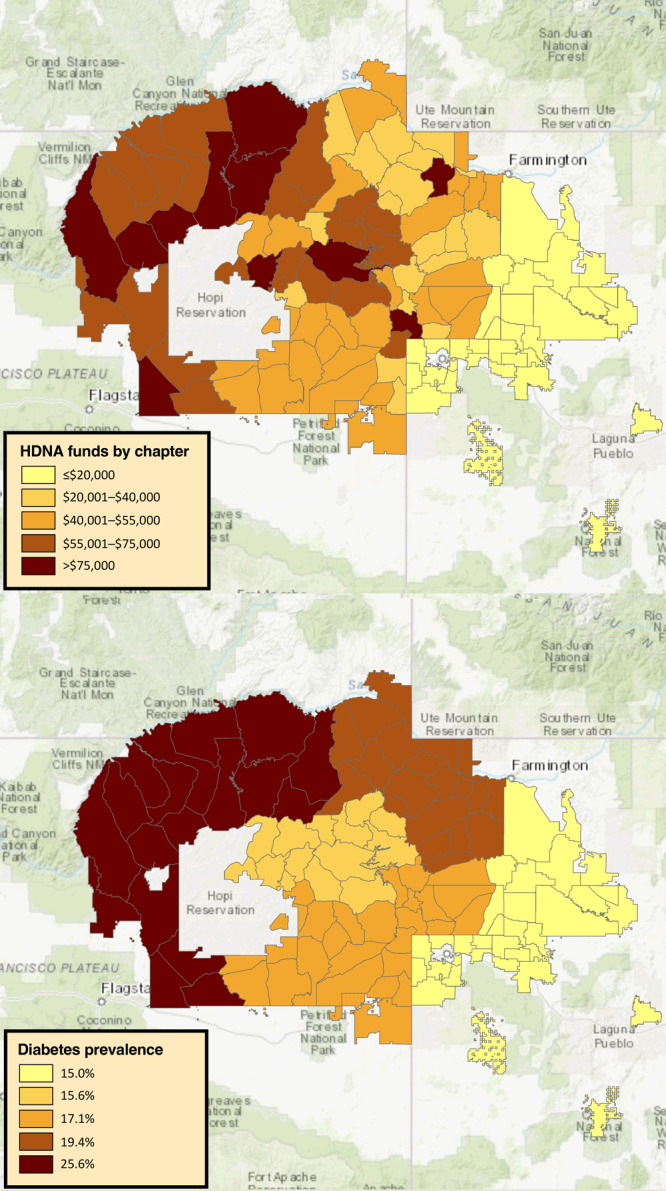
Description:Introduction ; The Navajo Nation is a large sovereign tribal nation. After several years of grassroots efforts and overcoming an initial presidential veto, the Navajo Nation passed the Healthy Diné Nation Act (HDNA) in 2014 to promote healthy behaviors in Navajo communities. This was the first such policy in the US and in any sovereign tribal nation worldwide. ; Purpose and Objectives ; The objective of this study was to describe the process, implementation, and evaluation of the HDNA passage and its 2020 reauthorization and the potential for using existing and tribal-specific data to inform tribal policy making. ; Intervention Approach ; The HDNA included a 2% tax on unhealthy foods sold on the Navajo Nation and waived a 6% sales tax on healthy foods. HDNA-generated funds were allocated to 110 local communities for wellness projects. No funds were allocated for enforcement or compliance. ; Evaluation Methods ; We assessed HDNA tax revenue and tax-funded wellness projects in 110 chapters over time, by region and community size. The food store environment was assessed for fidelity of HDNA implementation, price changes since pretax levels, and shopper behaviors. HDNA revenue was cross-matched with baseline nutrition behaviors and health status through a Navajo-specific Behavioral Risk Factor Surveillance System survey. ; Results ; HDNA revenue decreased modestly annually, and 99% of revenue was disbursed to local chapters, mostly for the built recreational environment, education, equipment, and social events. Stores implemented the 2% tax accurately, and the food store environment improved modestly. Regions with high tax revenue also had high rates of diabetes, but not other chronic conditions. The HDNA was reauthorized in 2020. ; Implications for Public health ; Sovereign tribal nations can drive their own health policy. Program evaluation can use existing data sources, tailored data collection efforts, and tribal-specific surveys to gain insight into feasibility, implementation, and impact.
-
Subjects:
-
Source:Prev Chronic Dis. 2022; 19
-
DOI:
-
ISSN:1545-1151
-
Pubmed ID:36417292
-
Pubmed Central ID:PMC9717698
-
Document Type:
-
Funding:
-
Genre:
-
Volume:19
-
Download URL:
-
File Type:
 [PDF - 2.06 MB]
 -
Collection(s):
-
Main Document Checksum:urn:sha-512:2ecd9f988c5662ea6fbea2ba92dab68f8d7784ed42b369d9bddbdbc8aad8faa0e9c7271723dfb9c2404d29376fc16821727ad10902719d246115ec792e576a07
Supporting Files


File Language:
English
 Was this page helpful?
 Found an issue?

CDC STACKS serves as an archival repository of CDC-published products including
scientific findings, journal articles, guidelines, recommendations, or other public health information authored or
co-authored by CDC or funded partners.
As a repository, CDC STACKS retains documents in their original published format to ensure public access to scientific information.
As a repository, CDC STACKS retains documents in their original published format to ensure public access to scientific information.
You May Also Like
COLLECTION
Preventing Chronic Disease