



Safety of COVID-19 Vaccination in United States Children Ages 5 to 11 Years
Supporting Files

-
8 01 2022
-
Available in CDC Stacks on 2022-11-29T00:00:00Z
File Language:
English
Details
-
Alternative Title:Pediatrics
-
Personal Author:Hause, Anne M. ; Shay, David K. ; Klein, Nicola P. ; Abara, Winston E. ; Baggs, James ; Cortese, Margaret M. ; Fireman, Bruce ; Gee, Julianne ; Glanz, Jason M. ; Goddard, Kristin ; Hanson, Kayla E. ; Hugueley, Brandon ; Kenigsberg, Tat’Yana ; Kharbanda, Elyse O. ; Lewin, Bruno ; Lewis, Ned ; Marquez, Paige ; Myers, Tanya ; Naleway, Allison ; Nelson, Jennifer C. ; Su, John R. ; Thompson, Deborah ; Olubajo, Babatunde ; Oster, Matthew E. ; Weintraub, Eric S. ; Williams, Joshua T.B. ; Yousaf, Anna R. ; Zerbo, Ousseny ; Zhang, Bicheng ; Shimabukuro, Tom T.
-
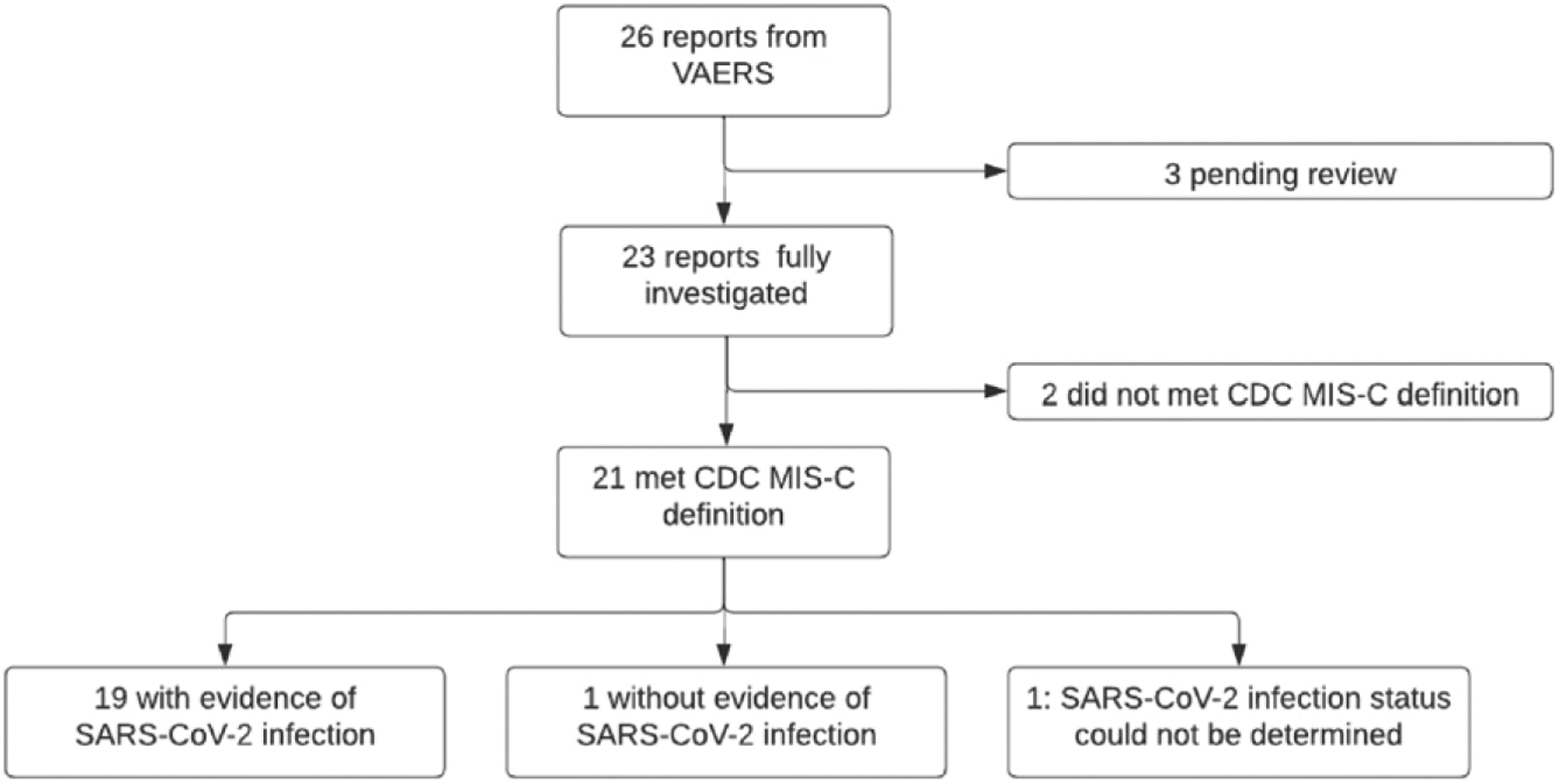
Description:BACKGROUND AND OBJECTIVES: ; Limited postauthorization safety data for the Pfizer-BioNTech coronavirus disease 2019 vaccination among children ages 5 to 11 years are available, particularly for the adverse event myocarditis, which has been detected in adolescents and young adults. We describe adverse events observed during the first 4 months of the United States coronavirus disease 2019 vaccination program in this age group. ; METHODS: ; We analyzed data from 3 United States safety monitoring systems: v-safe, a voluntary smartphone-based system that monitors reactions and health effects; the Vaccine Adverse Events Reporting System (VAERS), the national spontaneous reporting system comanaged by the Centers for Disease Control and Prevention and Food and Drug Administration; and the Vaccine Safety Datalink, an active surveillance system that monitors electronic health records for prespecified events, including myocarditis. ; RESULTS: ; Among 48 795 children ages 5 to 11 years enrolled in v-safe, most reported reactions were mild-to-moderate, most frequently reported the day after vaccination, and were more common after dose 2. VAERS received 7578 adverse event reports; 97% were nonserious. On review of 194 serious VAERS reports, 15 myocarditis cases were verified; 8 occurred in boys after dose 2 (reporting rate 2.2 per million doses). In the Vaccine Safety Datalink, no safety signals were detected in weekly sequential monitoring after administration of 726 820 doses. ; CONCLUSIONS: ; Safety findings for Pfizer-BioNTech vaccine from 3 United States monitoring systems in children ages 5 to 11 years show that most reported adverse events were mild and no safety signals were observed in active surveillance. VAERS reporting rates of myocarditis after dose 2 in this age group were substantially lower than those observed among adolescents ages 12 to 15 years.
-
Subjects:
-
Source:Pediatrics. 150(2)
-
Pubmed ID:35581698
-
Pubmed Central ID:PMC9706403
-
Document Type:
-
Funding:
-
Volume:150
-
Issue:2
-
Download URL:
-
File Type:
 [PDF - 245.91 KB]
 -
Collection(s):
-
Main Document Checksum:urn:sha256:c9b957a7b23854217d9631bafd5c129715e742d302b2f1d053aa4766eb333f8f
Supporting Files


File Language:
English
 Was this page helpful?
 Found an issue?

CDC STACKS serves as an archival repository of CDC-published products including
scientific findings, journal articles, guidelines, recommendations, or other public health information authored or
co-authored by CDC or funded partners.
As a repository, CDC STACKS retains documents in their original published format to ensure public access to scientific information.
As a repository, CDC STACKS retains documents in their original published format to ensure public access to scientific information.
You May Also Like
COLLECTION
CDC Public Access