


A Novel Comprehensive Efficacy Test for Textiles Intended for Use in the Healthcare Setting
Supporting Files

-
6 2020
-
File Language:
English
Details
-
Alternative Title:J Microbiol Methods
-
Personal Author:
-
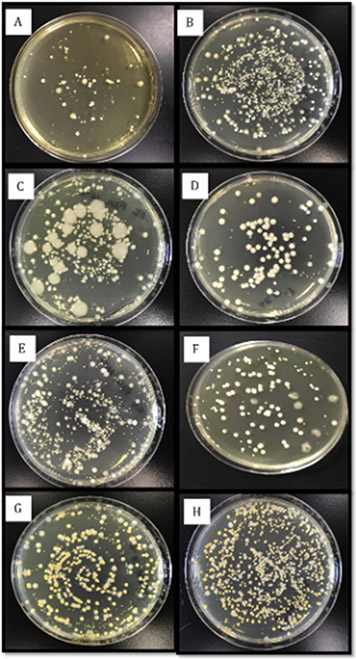
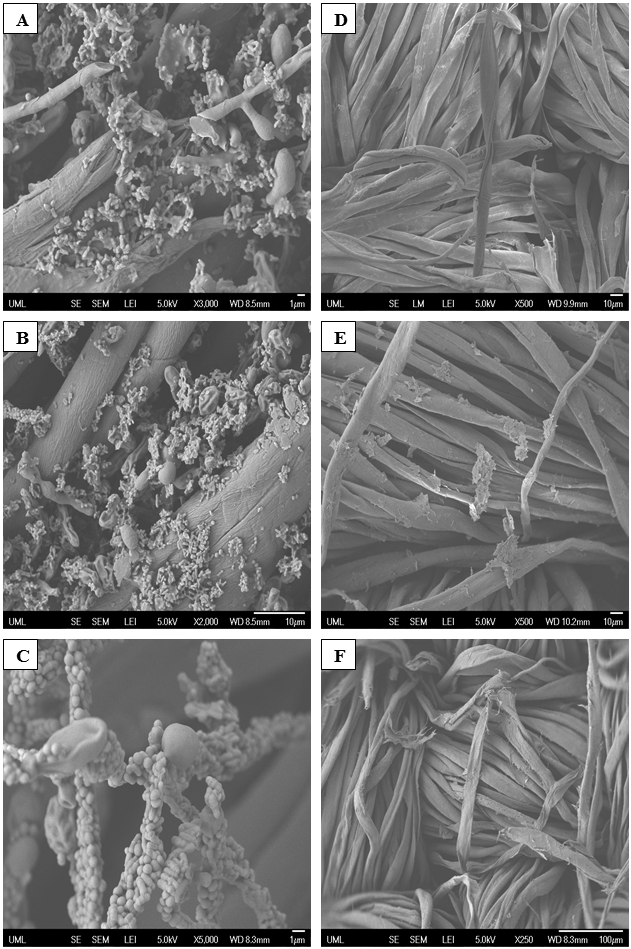
Description:Soft surfaces, including textiles are found throughout healthcare settings. Pathogens can survive for long periods of time on textiles, and can be transferred to and from the skin. Antimicrobial fabrics are used as an engineering control to prevent infection. Efficacy testing standards have limitations, including single microorganism challenges, multiple fabric plies tested, and lengthy contact times. We developed a novel method that better models in-use conditions through testing standardized mixtures of pathogens and normal skin microorganisms, artificial soils, and a 15-min contact time. Reproducible growth of all microorganisms from frozen stocks was achieved using this method. A novel rechargeable, monitorable N-halamine cotton cellulose fabric, containing 5885 ± 98 ppm of active chlorine, was evaluated with the new method using PBS, artificial sweat, and artificial sweat plus 5% serum as soil. Pathogens tested included Acinetobacter baumannii, Candida albicans, Escherichia coli, vancomycin-resistant Enterococcus faecalis, methicillin-resistant Staphylococcus aureus, methicillin-susceptible Staphylococcus aureus, and Pseudomonas aeruginosa. Each was tested singly and in the presence of a representative normal skin flora mixture, including: Acinetobacter lwoffii, Corynebacterium striatum, Micrococcus luteus, and Staphylococcus epidermidis. When tested singly, all microorganisms were reduced by 3.00 log| or greater, regardless of artificial soil. In mixture, 4.00 log| or greater reductions were achieved for all microorganisms. These results suggest that the novel testing method can be used to provide more comprehensive and realistic efficacy information for antimicrobial textiles intended for use in healthcare. Furthermore, the N-halamine fabric demonstrated efficacy against multiple pathogens, singly and in mixtures, regardless of the presence of artificial soils.
-
Subjects:
-
Source:J Microbiol Methods. 173:105937
-
Pubmed ID:32387116
-
Pubmed Central ID:PMC9453850
-
Document Type:
-
Funding:
-
Volume:173
-
Collection(s):
-
Main Document Checksum:urn:sha256:9a2ff9ce15decb8b224a62bac32f5a692b98867affbd494b2cf97bc1008dd168
-
Download URL:
-
File Type:
 [PDF
- 956.19 KB
]
[PDF
- 956.19 KB
]
Supporting Files


File Language:
English
ON THIS PAGE

CDC STACKS serves as an archival repository of CDC-published products including
scientific findings,
journal articles, guidelines, recommendations, or other public health information authored or
co-authored by CDC or funded partners.
As a repository, CDC STACKS retains documents in their original published format to ensure public access to scientific information.
As a repository, CDC STACKS retains documents in their original published format to ensure public access to scientific information.
You May Also Like
COLLECTION
CDC Public Access