



Translating Nanoparticle Dosimetry from Conventional in vitro Systems to Occupational Inhalation Exposures
Supporting Files
Peer Reviewed

-
2021/06/01
-
Available in CDC Stacks on August 16, 2022, 12:00 AM

File Language:
English
Details
-
Journal Article:Journal of Aerosol Science
-
Personal Author:
-
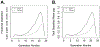
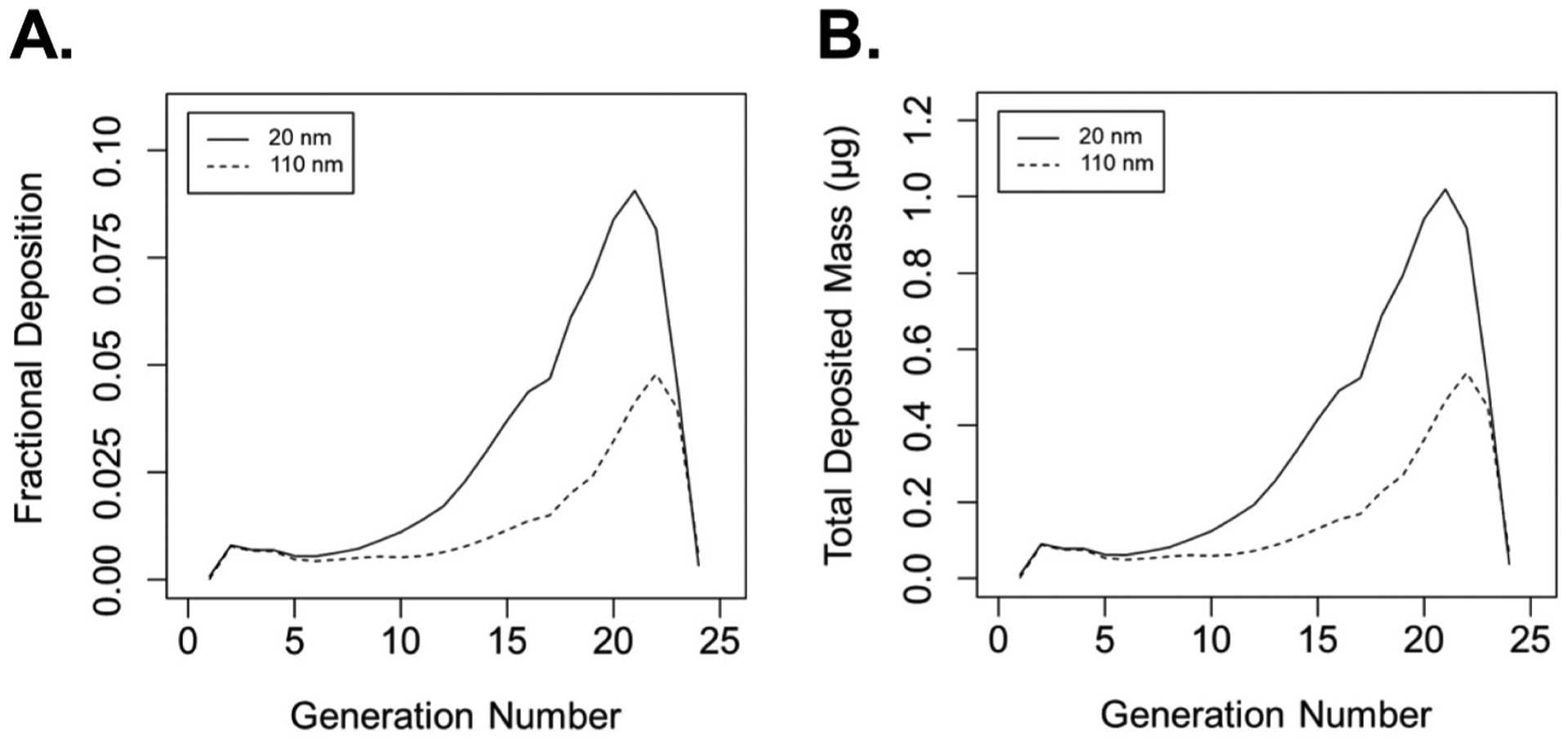
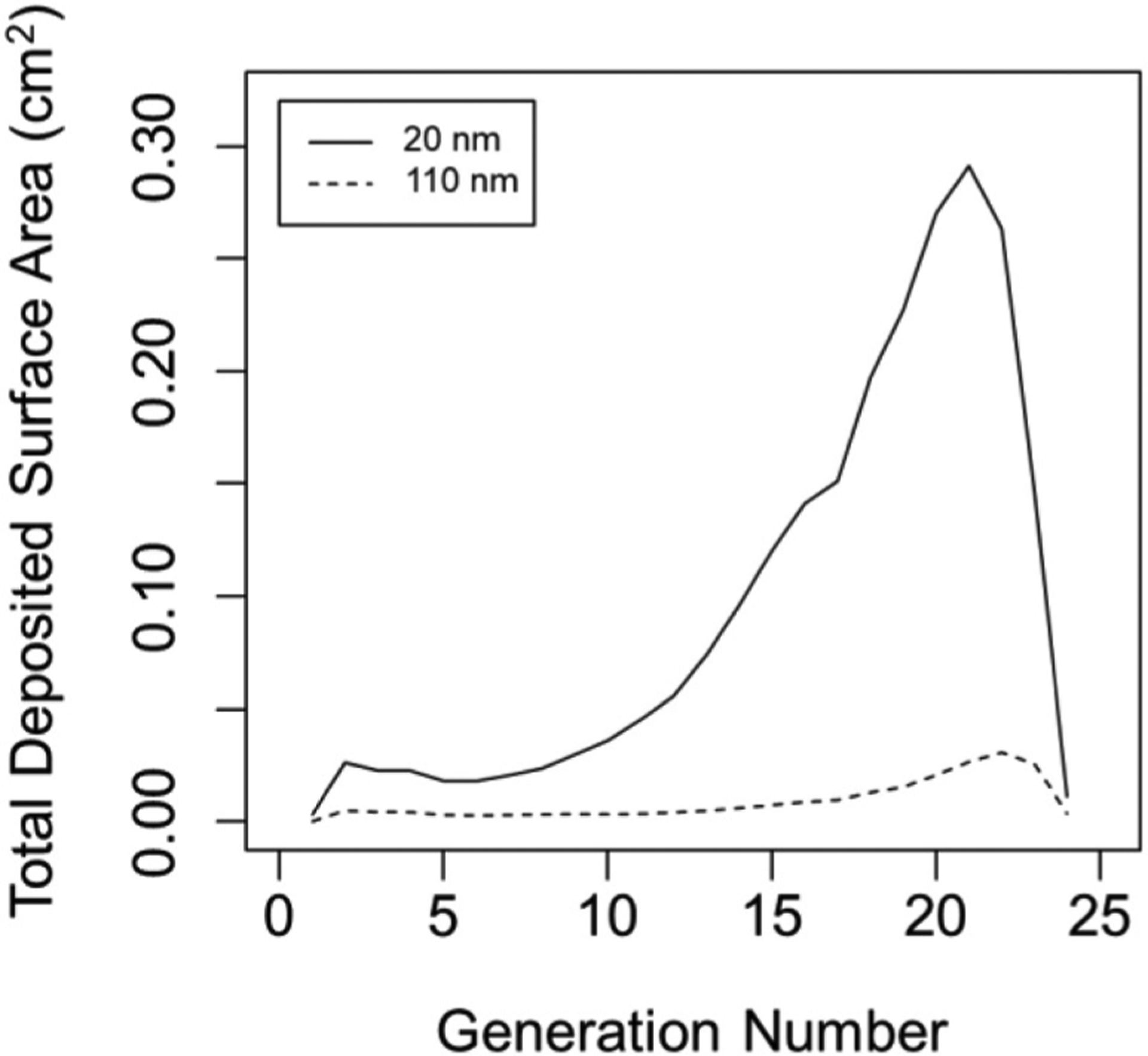
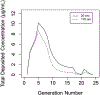
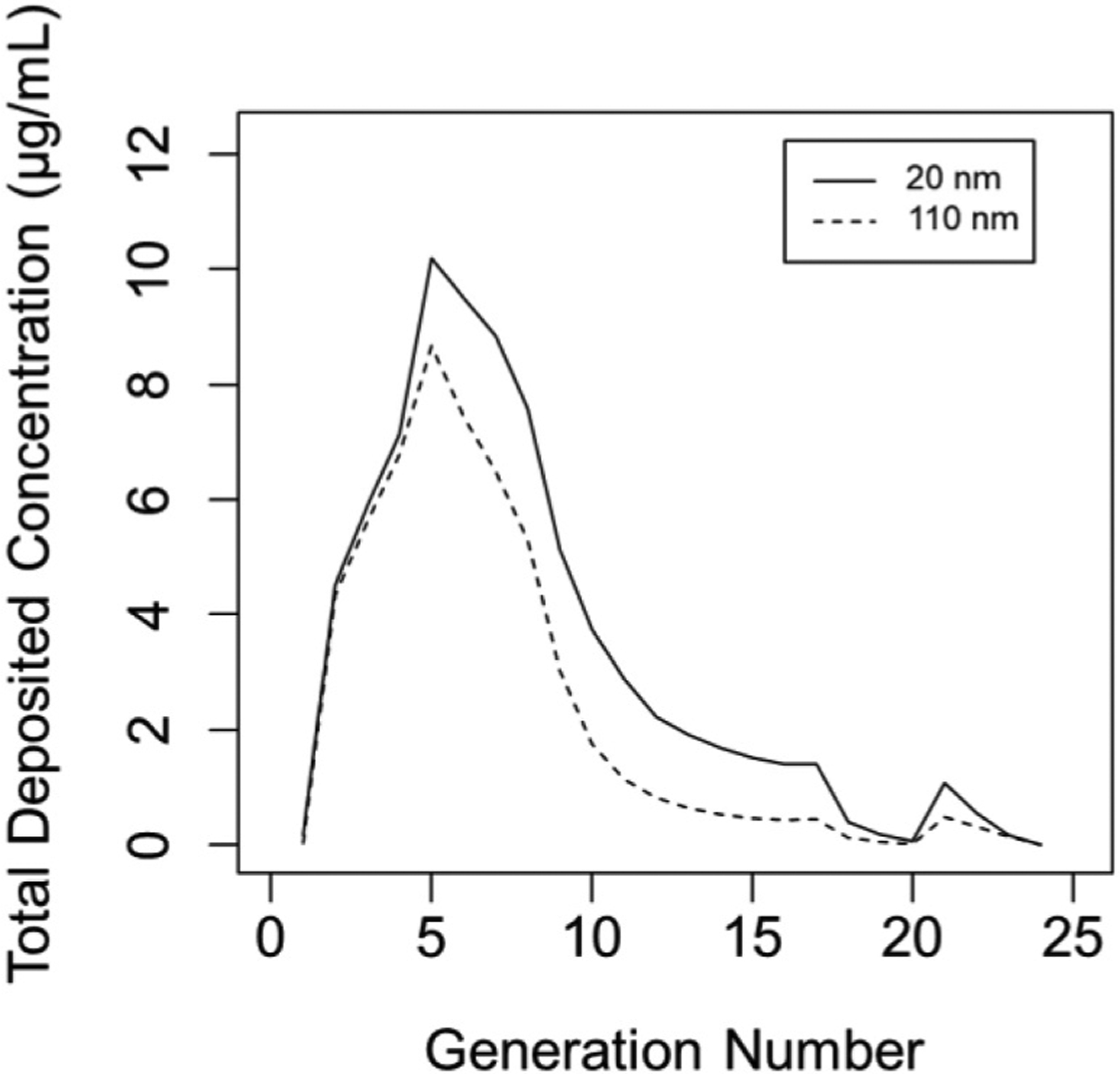
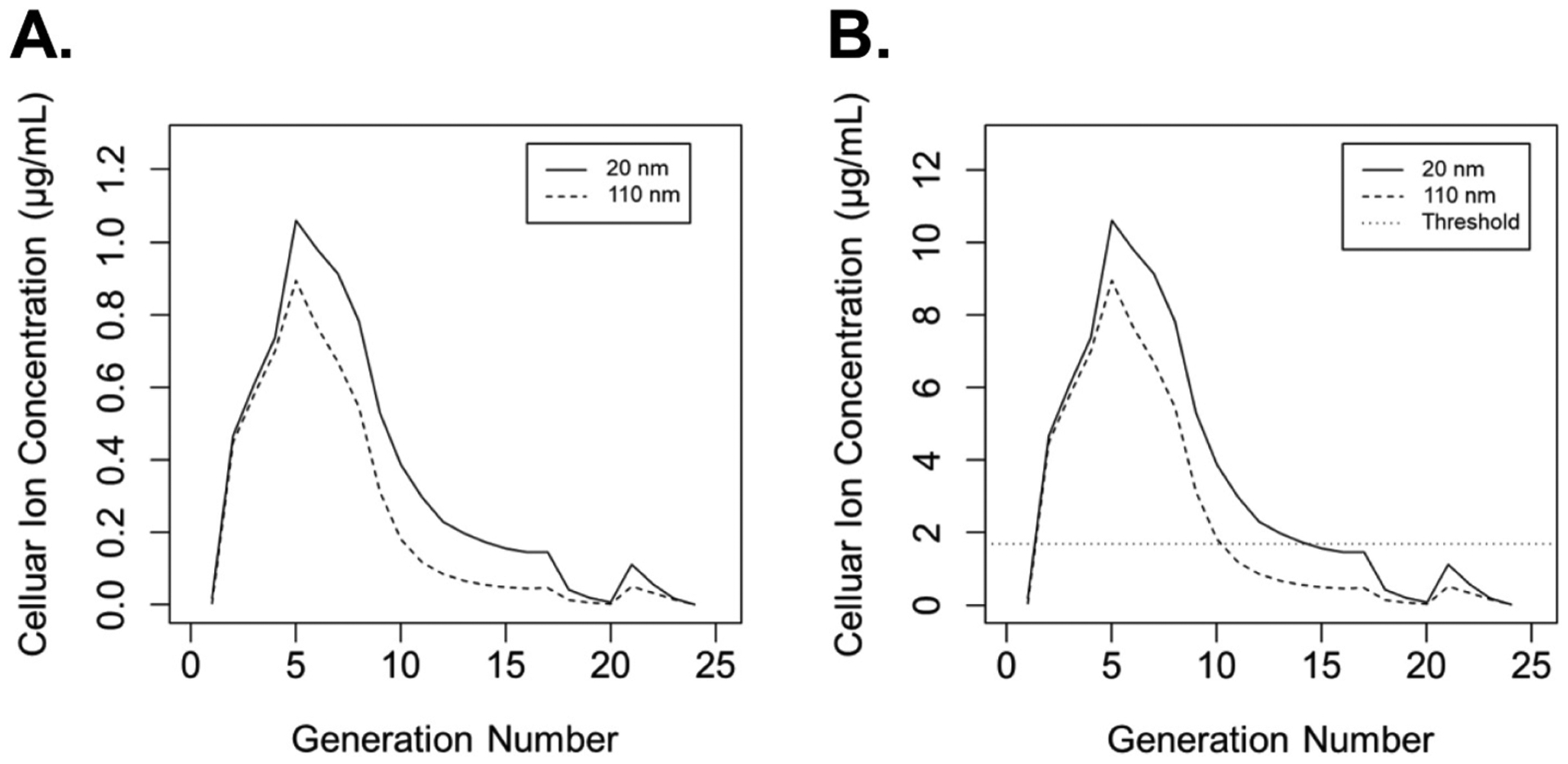
Description:As encouraged by Toxicity Testing in the 21st Century, researchers increasingly apply high-throughput in vitro approaches to identify and characterize nanoparticle hazards, including conventional aqueous cell culture systems to assess respiratory hazards. Translating nanoparticle dose from conventional toxicity testing systems to relevant human exposures remains a major challenge for assessing occupational risk of nanoparticle exposures. Here, we explored existing computational tools and data available to translate nanoparticle dose metrics from cellular test systems to inhalation exposures of silver nanoparticles in humans. We used the Multiple-Path Particle Dosimetry (MPPD) Model to predict nanoparticle deposition of humans exposed to 20 and 110 nm silver nanoparticles at 0.9 µg/m3 over an 8 h period, the proposed National Institute of Occupational Safety and Health (NIOSH) recommended exposure limit (REL). MPPD predicts 8.1 and 3.7 µg of silver deposited in an 8 h period for 20 and 110 nm nanoparticles, respectively, with 20 nm particles displaying nearly 11-fold higher total surface area deposited. Peak deposited nanoparticle concentrations occurred more proximal in the pulmonary tract compared to mass deposition patterns (generation 4 vs. generations 20-21, respectively) due to regional differences in lung lining fluid volumes. Assuming 0.4% nanoparticle dissolution by mass measured in previous studies predicted peak concentrations of silver ions in cells of 1.06 and 0.89 µg/mL for 20 and 110 nm particles, respectively. Both predicted concentrations are below the measured toxic threshold of 1.7 µg/mL of silver ions in cells from in vitro assessments. Assuming 4% dissolution by mass predicted 10-fold higher silver concentrations in tissues, peaking at 10.6 and 8.9 µg/mL, for 20 and 110 nm nanoparticles respectively, exceeding the observed in vitro toxic threshold and highlighting the importance and sensitivity of dissolution rates. Overall, this approach offers a framework for extrapolating nanotoxicity results from in vitro cell culture systems to human exposures. Aligning appropriate dose metrics from in vitro and in vivo hazard characterizations and human pulmonary doses from occupational exposures are critical components for successful nanoparticle risk assessment and worker protection providing guidance for designing future in vitro studies aimed at relevant human exposures. Description provided by NIOSH
-
Subjects:
-
Keywords:
-
Source:J Aerosol Sci 2021 Jun; 155:105771
-
ISSN:0021-8502
-
Pubmed ID:35979194
-
Pubmed Central ID:PMC9380399
-
Document Type:
-
Funding:
-
Genre:
-
Place as Subject:
-
CIO:
-
Topic:
-
Location:
-
Pages in Document:18 pdf pages
-
Volume:155
-
NIOSHTIC Number:nn:20065169
-
Contact Point Address:Jordan Ned Smith, PO Box 999, Richland, WA, 99352, USA
-
Email:jordan.smith@pnnl.gov
-
CAS Registry Number:
-
Federal Fiscal Year:2021
-
Performing Organization:Battelle Pacific Northwest Laboratories, Richland, Washington
-
Peer Reviewed:True
-
Download URL:
-
File Type:
 [PDF - 527.15 KB]
 -
Collection(s):
-
Main Document Checksum:urn:sha-512:d0d584bbf8705f20a835c673ca1562d41138286e81aac68ea673c155c627519a3d30cce4541b5008cba40e0422dcd73904034fa7515497d239c1a9e3daeab6c7
Supporting Files


File Language:
English
 Was this page helpful?
 Found an issue?


CDC STACKS serves as an archival repository of CDC-published products including
scientific findings, journal articles, guidelines, recommendations, or other public health information authored or
co-authored by CDC or funded partners.
As a repository, CDC STACKS retains documents in their original published format to ensure public access to scientific information.
As a repository, CDC STACKS retains documents in their original published format to ensure public access to scientific information.
You May Also Like