


The magnitude and distribution of iron deficiency using serum/plasma ferritin among preschool children and non-pregnant women: a multi-country analysis
Supporting Files

-
12 2019
File Language:
English
Details
-
Alternative Title:Med Res Arch
-
Personal Author:
-
Description:Background:
In 2004, World Health Organization (WHO) recommended the use of serum ferritin as a primary indicator of iron deficiency. However, there was limited data on the magnitude and distribution of iron deficiency based on ferritin.
Objective:
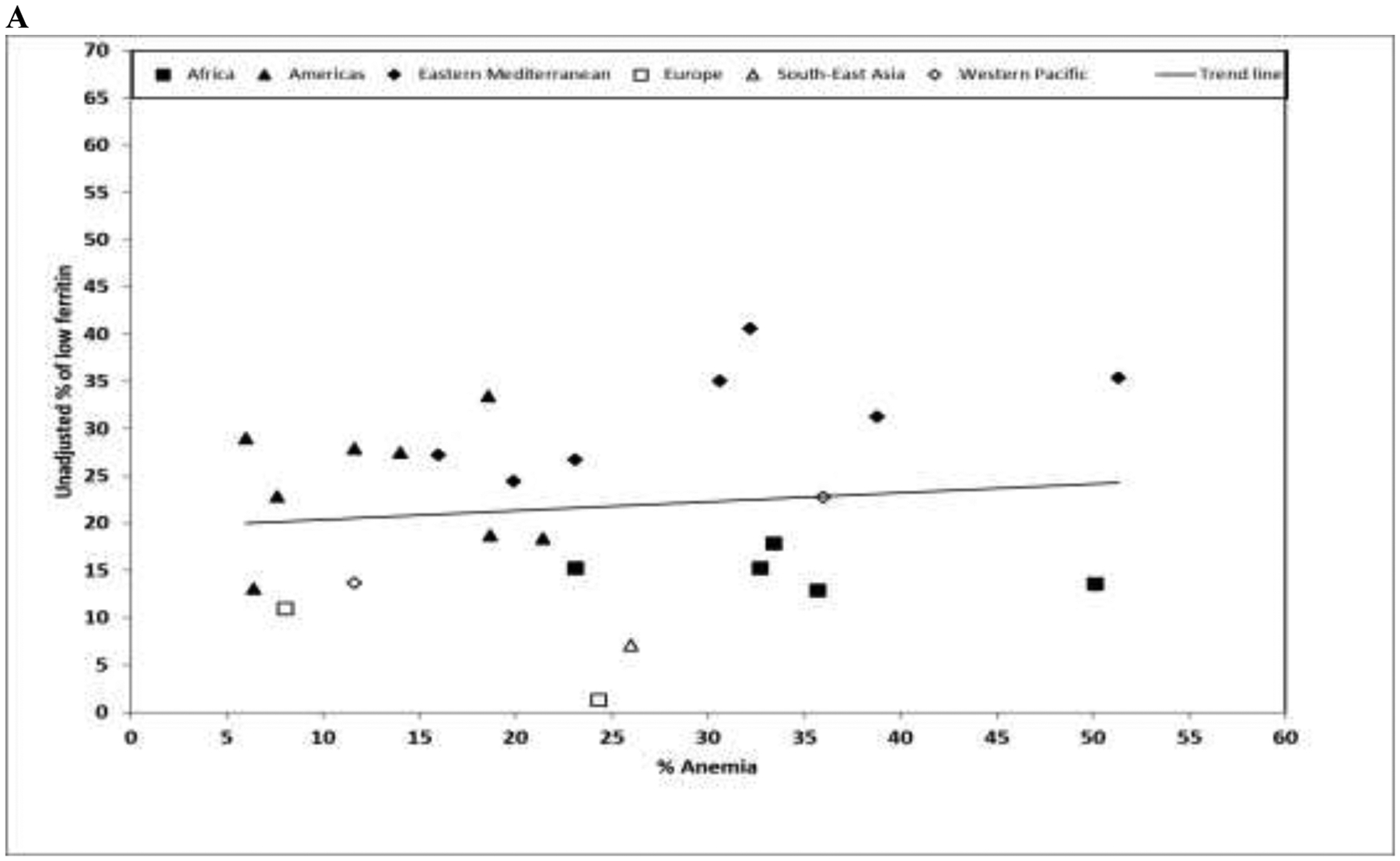
To describe the prevalence of iron deficiency as measured by serum/plasma ferritin in different regions of the world and its relationship with demographic and health indicators.
Methods:
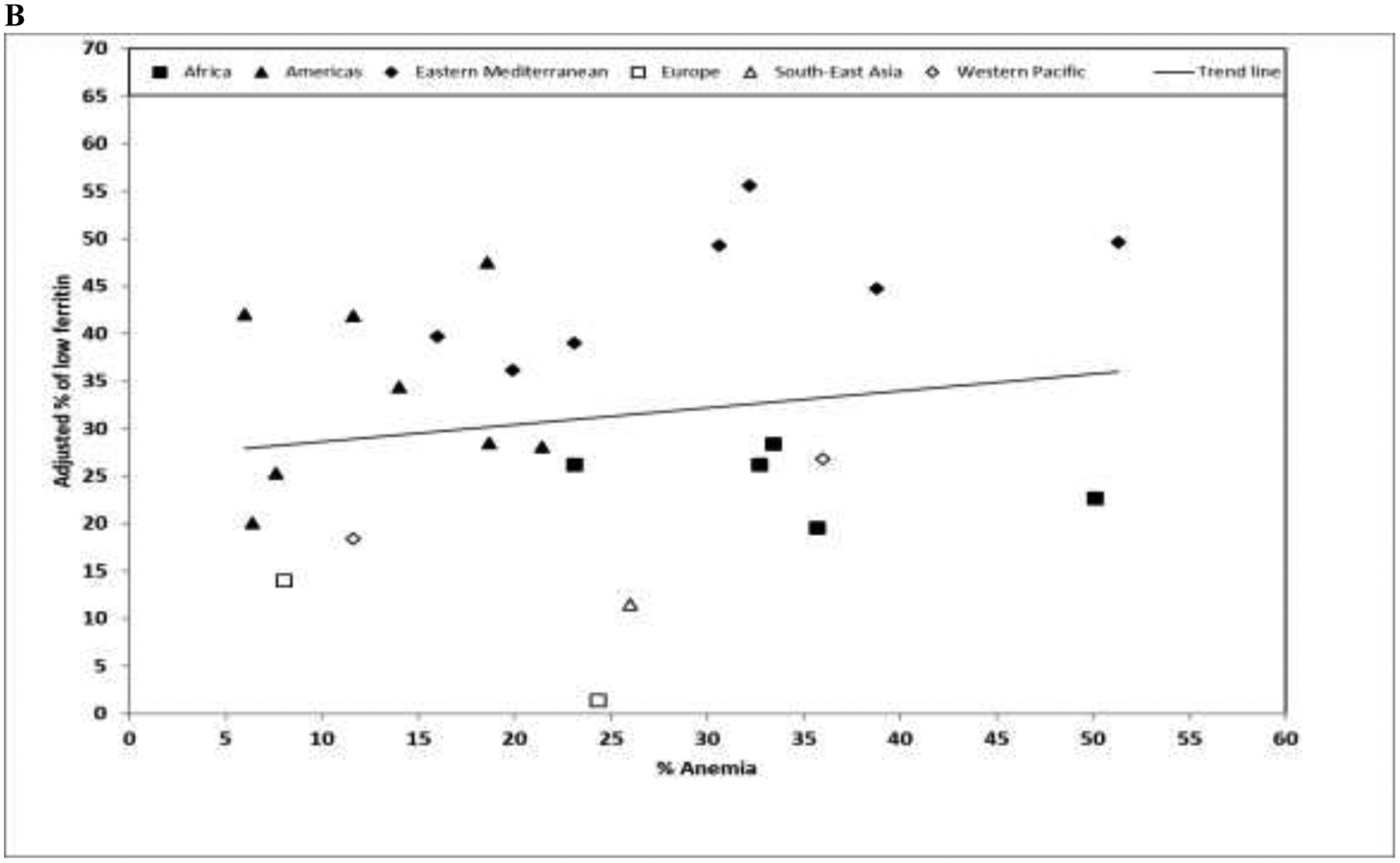
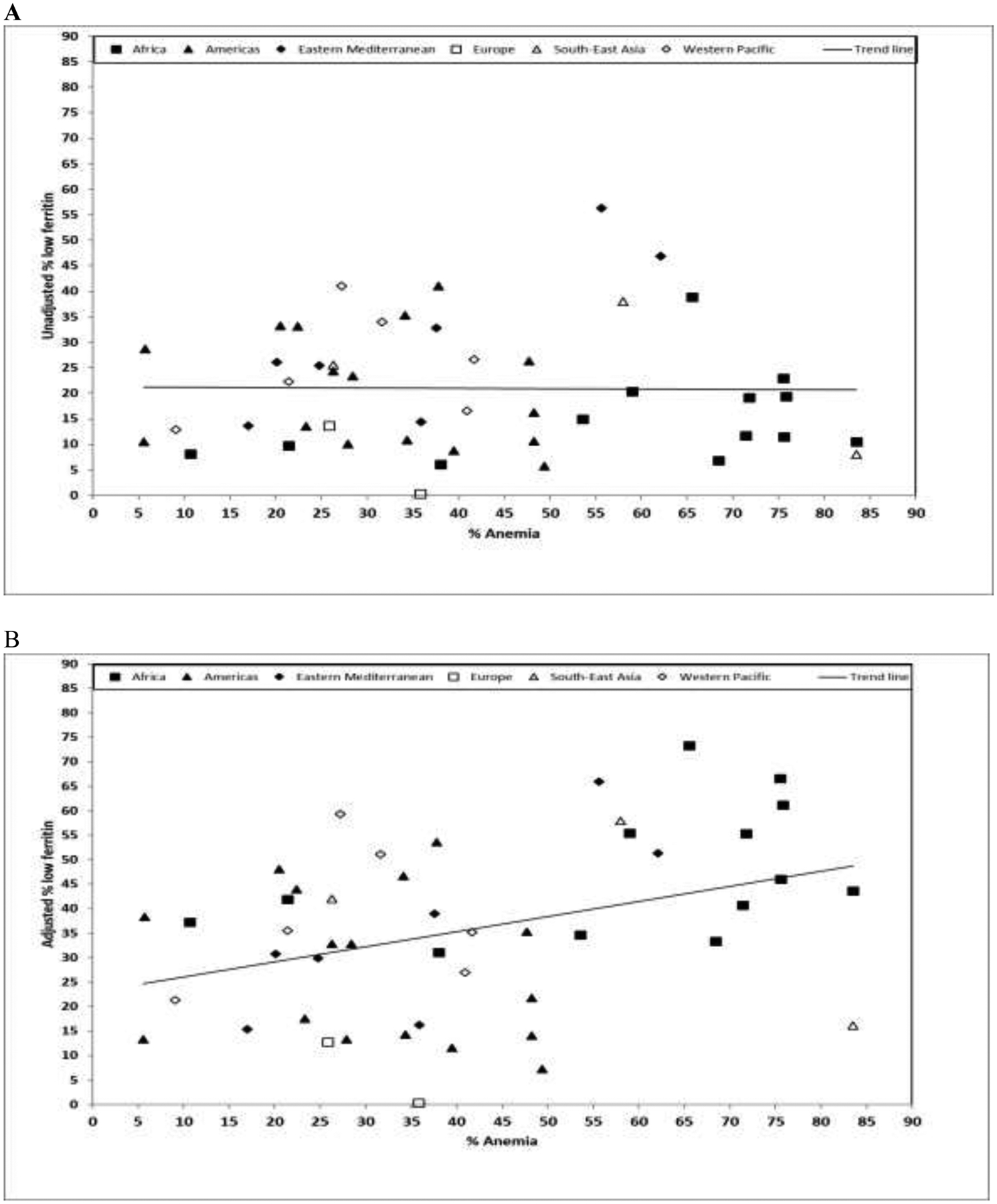
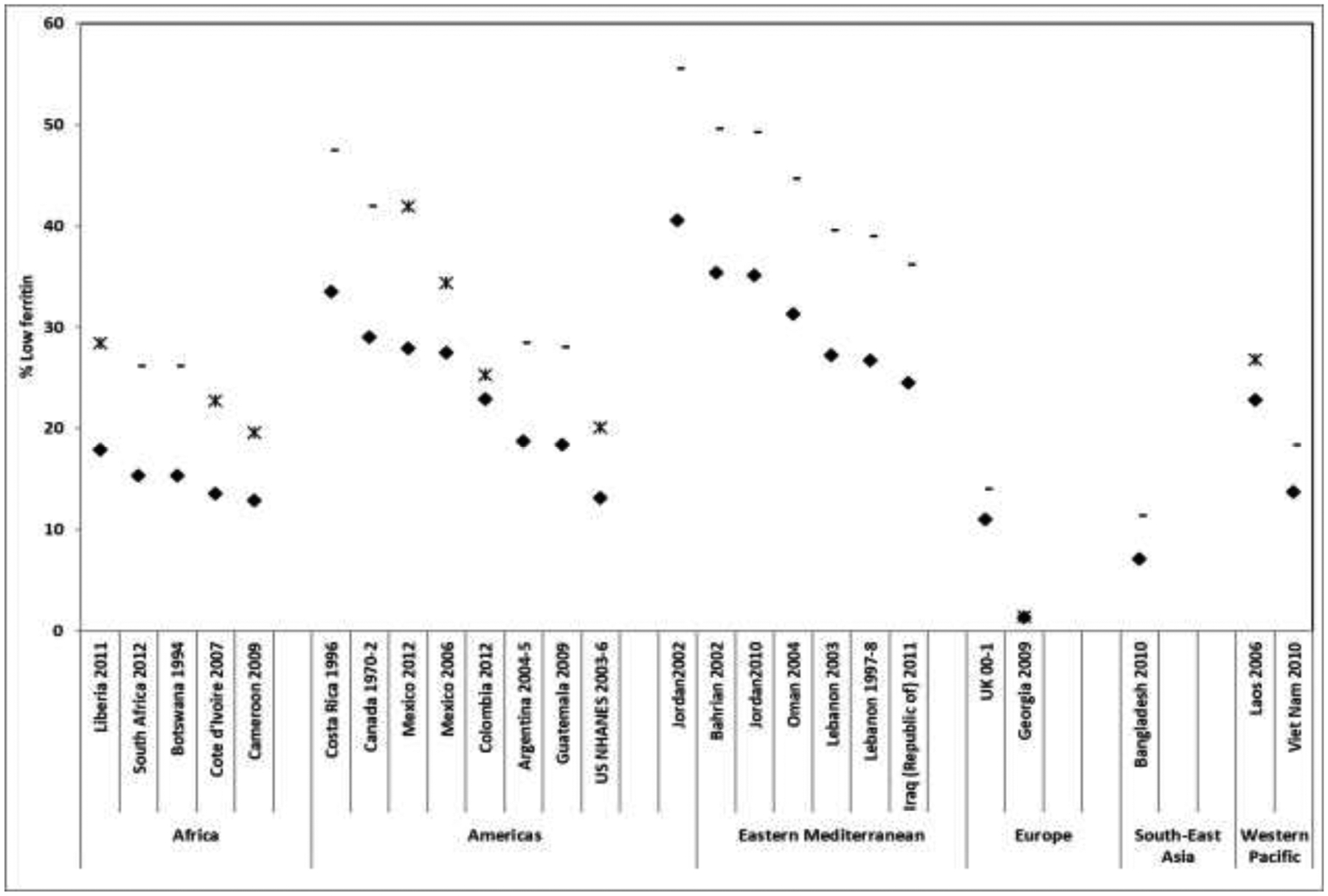
Data from the Biomarkers Reflecting Inflammation and Nutrition Determinants of Anemia and the WHO Vitamin and Mineral Nutrition Information System Micronutrients Database were used for this analysis. Unadjusted and inflammation-adjusted low ferritin prevalence were calculated for both databases. The prevalence of low ferritin among preschool children and non-pregnant women was examined according to its relationship with national gross domestic product (GDP), infant mortality rate (IMR), and anemia rate.
Results:
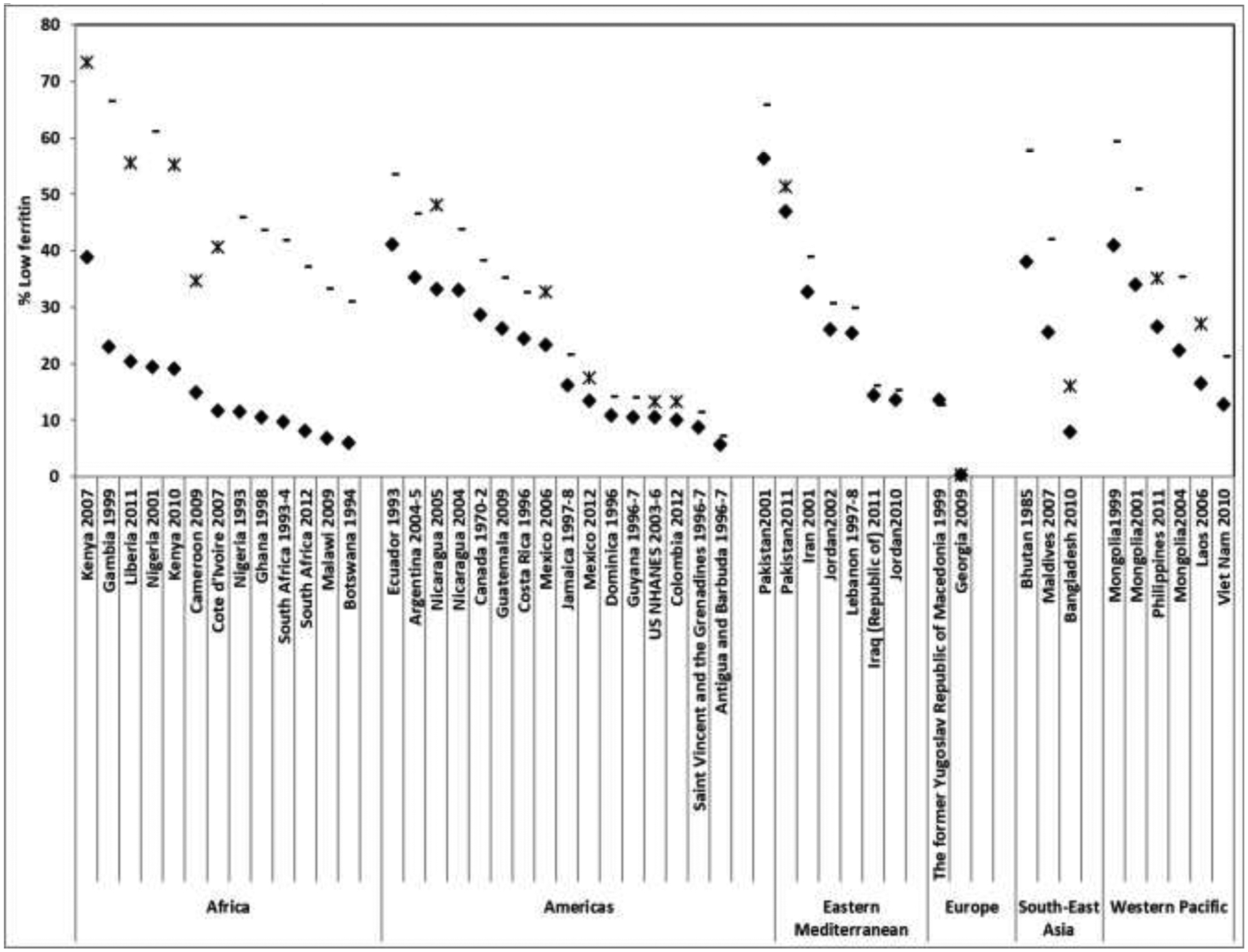
In children, the median inflammation-adjusted prevalence of low ferritin was 35.3% (1st and 3rd quartiles: 17.5% and 48.1%). In non-pregnant women, the median inflammation-adjusted prevalence of low ferritin was 28.4% (1st and 3rd quartiles: 21.4% and 42.0%). For both children and women, the correlation between the prevalence of low ferritin and GDP, IMR, or anemia was consistently stronger using inflammation-adjusted prevalences than when using unadjusted prevalences.
Conclusions:
The quartile values of low ferritin prevalence for children and non-pregnant women could be used to define the severity of ferritin as a public health problem.
-
Keywords:
-
Source:Med Res Arch. 7(12)
-
Pubmed ID:35919338
-
Pubmed Central ID:PMC9341006
-
Document Type:
-
Funding:
-
Volume:7
-
Issue:12
-
Collection(s):
-
Main Document Checksum:urn:sha-512:f2a2c64ebcfd3f75cb3c253acde379885fbfdb82092543cc650760a76cccb7e56cb868f1a88a433e4d2a94cfb4464abe4f99350ac673d350bb30bb8d3b68c68e
-
Download URL:
-
File Type:
 [PDF
- 1.00 MB
]
[PDF
- 1.00 MB
]
Supporting Files


File Language:
English
ON THIS PAGE

CDC STACKS serves as an archival repository of CDC-published products including
scientific findings,
journal articles, guidelines, recommendations, or other public health information authored or
co-authored by CDC or funded partners.
As a repository, CDC STACKS retains documents in their original published format to ensure public access to scientific information.
As a repository, CDC STACKS retains documents in their original published format to ensure public access to scientific information.
You May Also Like
COLLECTION
CDC Public Access