


Seroprevalence of Anti-polio Antibodies in Children From Polio High-risk Areas of Pakistan
Supporting Files

-
9 2017
-
File Language:
English
Details
-
Alternative Title:Pediatr Infect Dis J
-
Personal Author:
-
Description:Background:
Pakistan is one of the 3 remaining wild poliovirus endemic countries. We collected sera from children to assess the prevalence of poliovirus antibodies in selected high-risk areas for poliovirus transmission.
Methods:
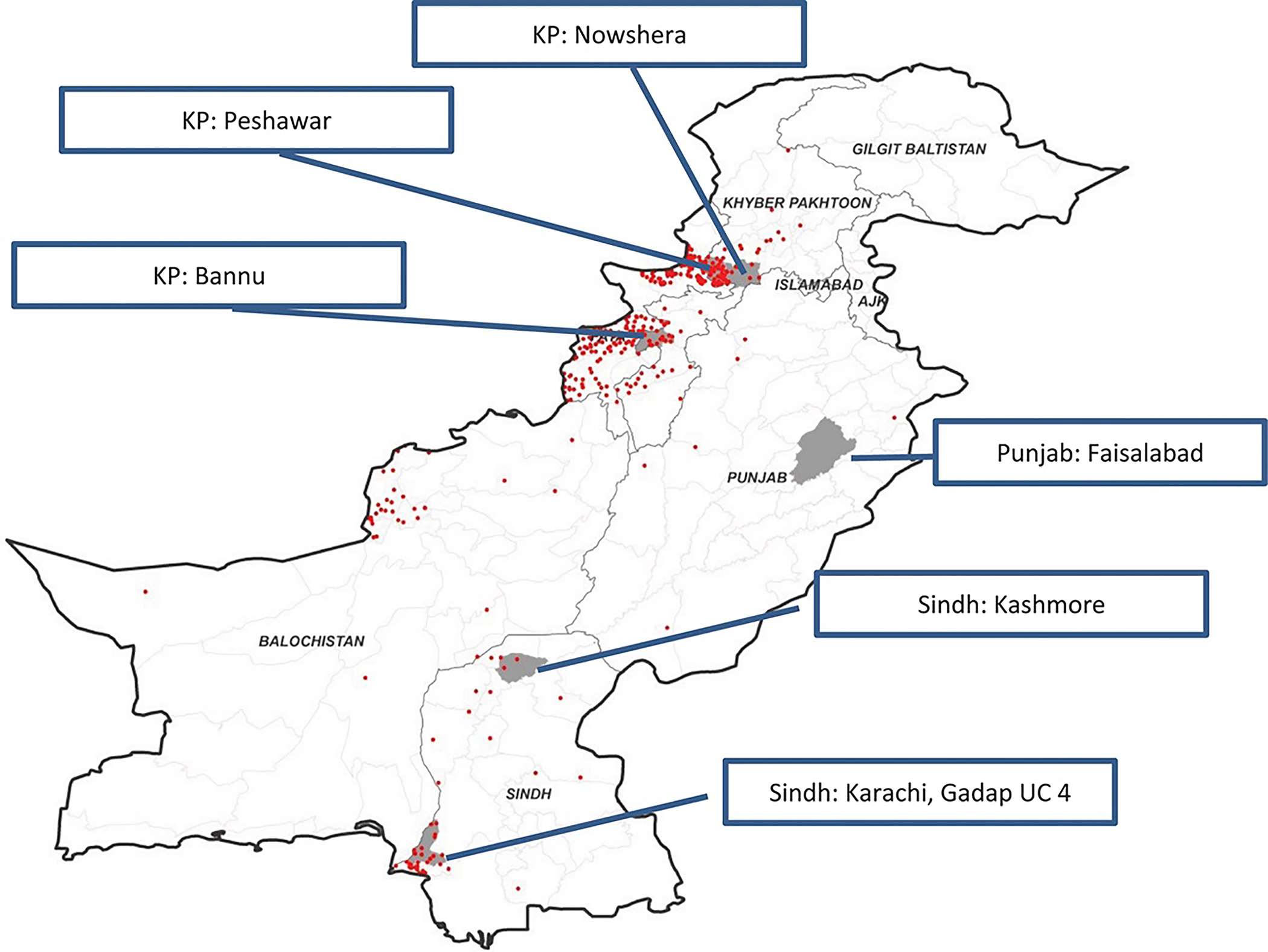
Children in 2 age groups (6–11 and 36–48 months) were randomly selected between November 2015 and March 2016 in 6 areas of Pakistan (Sindh Province: Karachi and Kashmore; Khyber Pakhtunkhwa Province: Peshawar, Bannu and Nowshera; Punjab Province: Faisalabad). After obtaining informed consent, basic demographic and vaccination history data were collected, 1 peripheral venipuncture was obtained, and assays to detect poliovirus (PV)–neutralizing antibodies were performed.
Results:
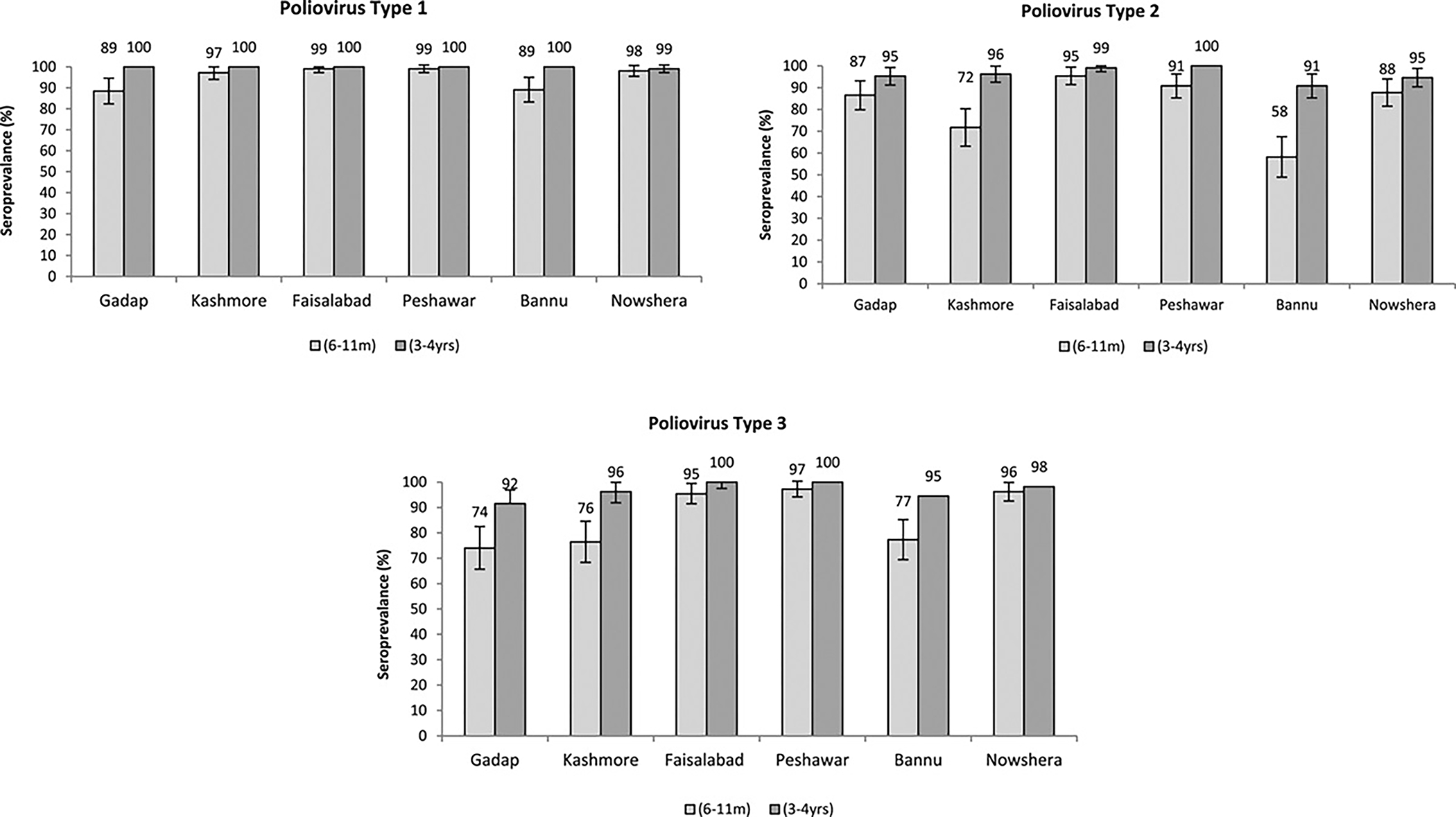
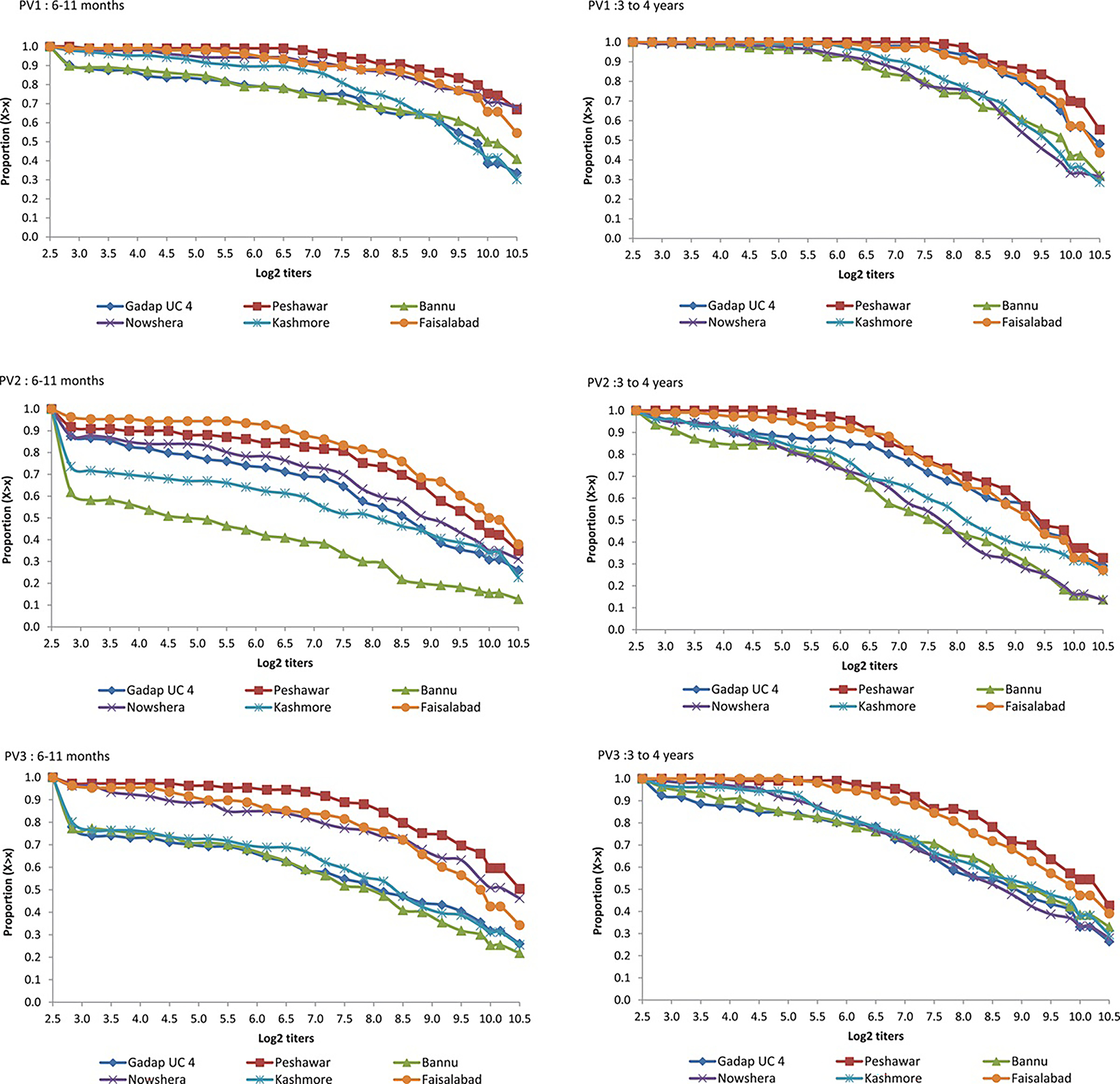
A total of 1301 children were enrolled and had peripheral blood drawn that analyzed. Study subjects were evenly distributed among survey sites and age groups. Anti-polio seroprevalence differed significantly among geographic areas (P < 0.001); in the 6–11 months group, it ranged between 89% and 98%, 58% and 95%, and 74% and 96% for PV serotypes 1, 2 and 3, respectively; in 36–48 months group, it ranged between 99% and 100%, 95% and 100%, and 92% and 100% for PV 1, 2, and 3, respectively. Having received inactivate poliovirus vaccine, malnourishment (stunting) and educational level of parents were found to be associated with presence of anti-polio antibodies.
Conclusion:
The polio eradication program achieved overall high serologic protection; however, immunity gaps in young children in the high polio risk areas remain. These gaps enable sustained circulation of wild poliovirus type 1, and pose risk for emergence of vaccine-derived polioviruses. Focusing on the lowest socioeconomic strata of society, where malnutrition is most prevalent, could accelerate poliovirus eradication.
-
Subjects:
-
Source:Pediatr Infect Dis J. 36(9):e230-e236
-
Pubmed ID:28806355
-
Pubmed Central ID:PMC9131303
-
Document Type:
-
Funding:
-
Place as Subject:
-
Volume:36
-
Issue:9
-
Collection(s):
-
Main Document Checksum:urn:sha256:9725e97deb0593a973b5e809a1f1d65cac6243b08448d8ce5dd4fc9890137069
-
Download URL:
-
File Type:
 [PDF
- 1.23 MB
]
[PDF
- 1.23 MB
]
Supporting Files


File Language:
English
ON THIS PAGE

CDC STACKS serves as an archival repository of CDC-published products including
scientific findings,
journal articles, guidelines, recommendations, or other public health information authored or
co-authored by CDC or funded partners.
As a repository, CDC STACKS retains documents in their original published format to ensure public access to scientific information.
As a repository, CDC STACKS retains documents in their original published format to ensure public access to scientific information.
You May Also Like
COLLECTION
CDC Public Access