



Seizure- or Epilepsy-Related Emergency Department Visits Before and During the COVID-19 Pandemic — United States, 2019–2021
Supporting Files
Public Domain

-
5 27 2022
File Language:
English
Details
-
Journal Article:Morbidity and Mortality Weekly Report (MMWR)
-
Personal Author:
-
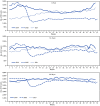
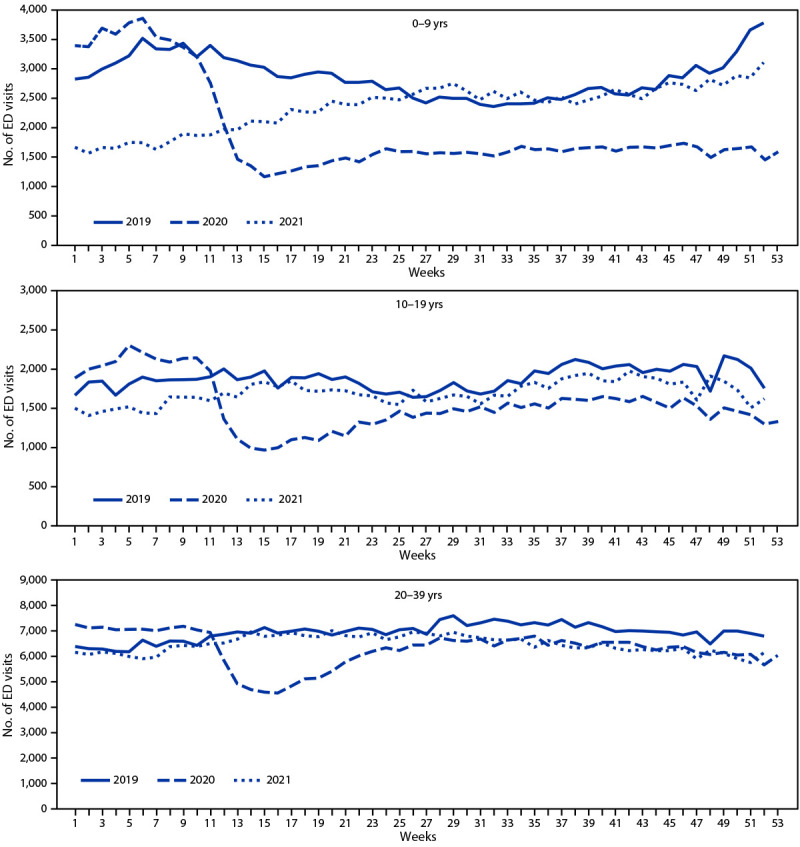
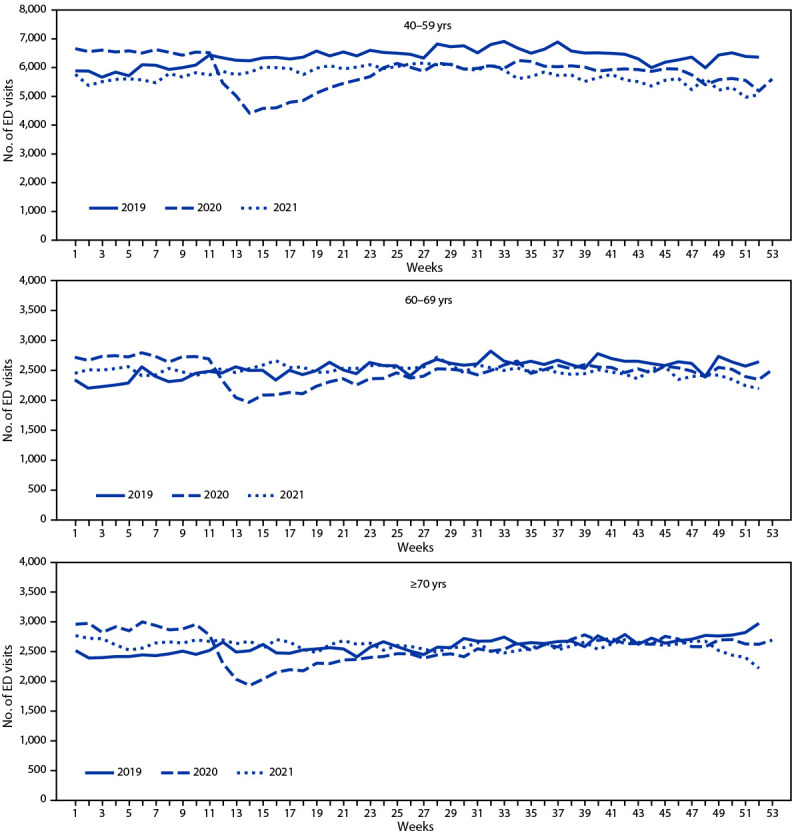
Description:Seizures, transient signs or symptoms caused by abnormal surges of electrical activity in the brain, can result from epilepsy, a neurologic disorder characterized by abnormal electrical brain activity causing recurrent, unprovoked seizures, or from other inciting causes, such as high fever or substance abuse (1). Seizures generally account for approximately 1% of all emergency department (ED) visits (2,3). Persons of any age can experience seizures, and outcomes might range from no Complications for those with a single seizure to increased risk for injury, comorbidity, impaired quality of life, and early Mortality for those with epilepsy (4). To examine Trends in weekly seizure- or epilepsy-related (seizure-related) ED visits| in the United States before and during the COVID-19 pandemic, CDC analyzed data from the National Syndromic Surveillance Program (U.S.) (NSSP).| Seizure-related ED visits decreased abruptly during the early pandemic period. By the end of 2020, seizure-related ED visits returned almost to prepandemic levels for persons of all ages, except children aged 0-9 years. By mid-2021, however, this age group gradually returned to baseline as well. Reasons for the decrease in seizure-related ED visits in 2020 among all age groups and the slow return to baseline among children aged 0-9 years compared with other age groups are unclear. The decrease might have been associated with fear of exposure to COVID-19 infection in EDs deterring parents or guardians of children from seeking care, adherence to mitigation measures including avoiding public settings such as EDs, or increased access to telehealth services decreasing the need for ED visits (5). These findings reinforce the importance of understanding factors associated with ED avoidance among persons with epilepsy or seizure, the importance that all eligible persons be up to date| with COVID-19 vaccination, and the need to encourage persons to seek appropriate care for seizure-related emergencies** to prevent adverse outcomes.
-
Subjects:
-
Source:MMWR Morbidity Mortal Weekly Rep. 71(21):703-708
-
Series:
-
DOI:
-
ISSN:0149-2195 (print) ; 1545-861X (digital)
-
Pubmed ID:35617146
-
Pubmed Central ID:PMC9153465
-
Document Type:
-
Place as Subject:
-
Pages in Document:6 pdf pages
-
Volume:71
-
Issue:21
-
Download URL:
-
File Type:
 [PDF - 152.67 KB]
 -
Collection(s):
-
Main Document Checksum:urn:sha-512:304f082b8285e3aa4b0412c63a32b4e8d84db12b38abede6a0026b1f40ed719db0022669b3d7e20481ccc833d33b2b1367f7fa4b552351f3642b32e41c2d9ef1
Supporting Files


File Language:
English
 Was this page helpful?
 Found an issue?

CDC STACKS serves as an archival repository of CDC-published products including
scientific findings, journal articles, guidelines, recommendations, or other public health information authored or
co-authored by CDC or funded partners.
As a repository, CDC STACKS retains documents in their original published format to ensure public access to scientific information.
As a repository, CDC STACKS retains documents in their original published format to ensure public access to scientific information.
You May Also Like
COLLECTION
Morbidity and Mortality Weekly Report (MMWR)