


Advances in understanding of the innate immune response to human norovirus infection using organoid models
Supporting Files

-
1 2022
-
File Language:
English
Details
-
Journal Article:J Gen Virol
-
Personal Author:
-
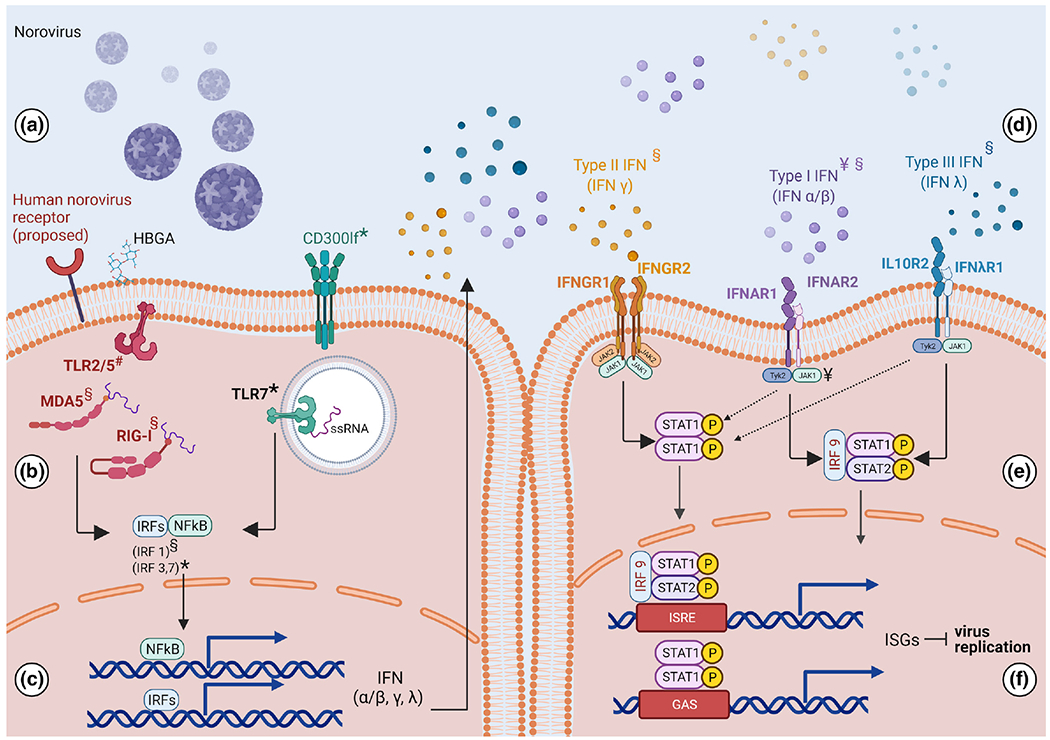
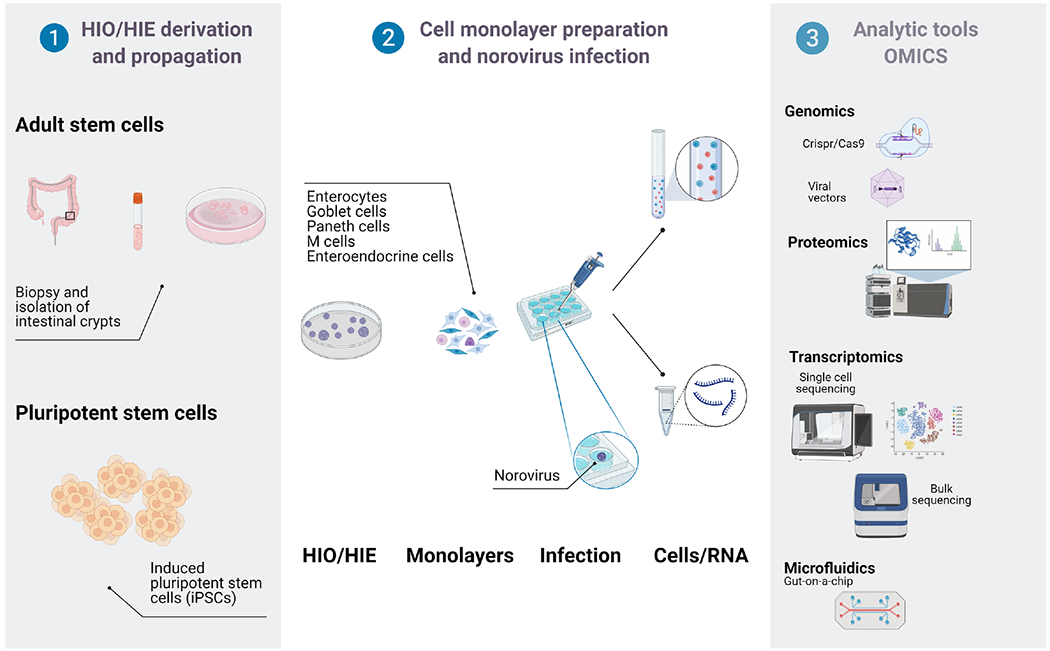
Description:Norovirus is the leading cause of epidemic and endemic acute gastroenteritis worldwide and the most frequent cause of foodborne illness in the United States. There is no specific treatment for norovirus infections and therapeutic interventions are based on alleviating symptoms and limiting viral transmission. The immune response to norovirus is not completely understood and mechanistic studies have been hindered by lack of a robust cell culture system. In recent years, the human intestinal enteroid/human intestinal organoid system (HIE/HIO) has enabled successful human norovirus replication. Cells derived from HIE have also successfully been subjected to genetic manipulation using viral vectors as well as CRISPR/Cas9 technology, thereby allowing studies to identify antiviral signaling pathways important in controlling norovirus infection. RNA sequencing using HIE cells has been used to investigate the transcriptional landscape during norovirus infection and to identify antiviral genes important in infection. Other cell culture platforms such as the microfluidics-based gut-on-chip technology in combination with the HIE/HIO system also have the potential to address fundamental questions on innate immunity to human norovirus. In this review, we highlight the recent advances in understanding the innate immune response to human norovirus infections in the HIE system, including the application of advanced molecular technologies that have become available in recent years such as the CRISPR/Cas9 and RNA sequencing, as well as the potential application of single cell transcriptomics, viral proteomics, and gut-on-a-chip technology to further elucidate innate immunity to norovirus.
-
Subjects:
-
DOI:
-
Pubmed ID:35077345
-
Pubmed Central ID:PMC8984994
-
Document Type:
-
Funding:
-
Genre:
-
Volume:103
-
Issue:1
-
Citation:J Gen Virol. 103(1)
-
Collection(s):
-
Main Document Checksum:urn:sha-512:9ed974273ea1870ebc421640b6f77b36135f2ec088f05da538633e6e36fdd70a58498cb2045d37e3af00bdc540fb32f272f1a5d08f4c199c72f9d5f3dc126b41
-
Download URL:
-
File Type:
 [PDF
- 605.88 KB
]
[PDF
- 605.88 KB
]
Supporting Files


File Language:
English
ON THIS PAGE


CDC STACKS serves as an archival repository of CDC-published products including
scientific findings,
journal articles, guidelines, recommendations, or other public health information authored or
co-authored by CDC or funded partners.
As a repository, CDC STACKS retains documents in their original published format to ensure public access to scientific information.
As a repository, CDC STACKS retains documents in their original published format to ensure public access to scientific information.
You May Also Like
COLLECTION
CDC Public Access