


Potential occupational and respiratory hazards in a Minnesota cannabis cultivation and processing facility
Supporting Files

-
10 2019
-
File Language:
English
Details
-
Journal Article:Am J Ind Med
-
Personal Author:
-
Description:Background
Cannabis has been legalized in some form for much of the United States. The National Institute for Occupational Safety and Health (NIOSH) received a health hazard evaluation request from a Minnesota cannabis facility and their union to undertake a health hazard evaluation.
Methods
NIOSH representatives visited the facility in August 2016 and April 2017. Surface wipe samples were collected for the analysis of delta-9 tetrahydrocannabinol (Δ9-THC), delta-9 tetrahydrocannabinol (Δ9-THCA), cannabidiol, and cannabinol. Environmental air samples were collected for volatile organic compounds (VOCs), endotoxins (limulus amebocyte lysate assay), and fungal diversity (NIOSH two-stage BC251 bioaerosol sampler with Internal Transcribed Spacer region sequencing analysis).
Results
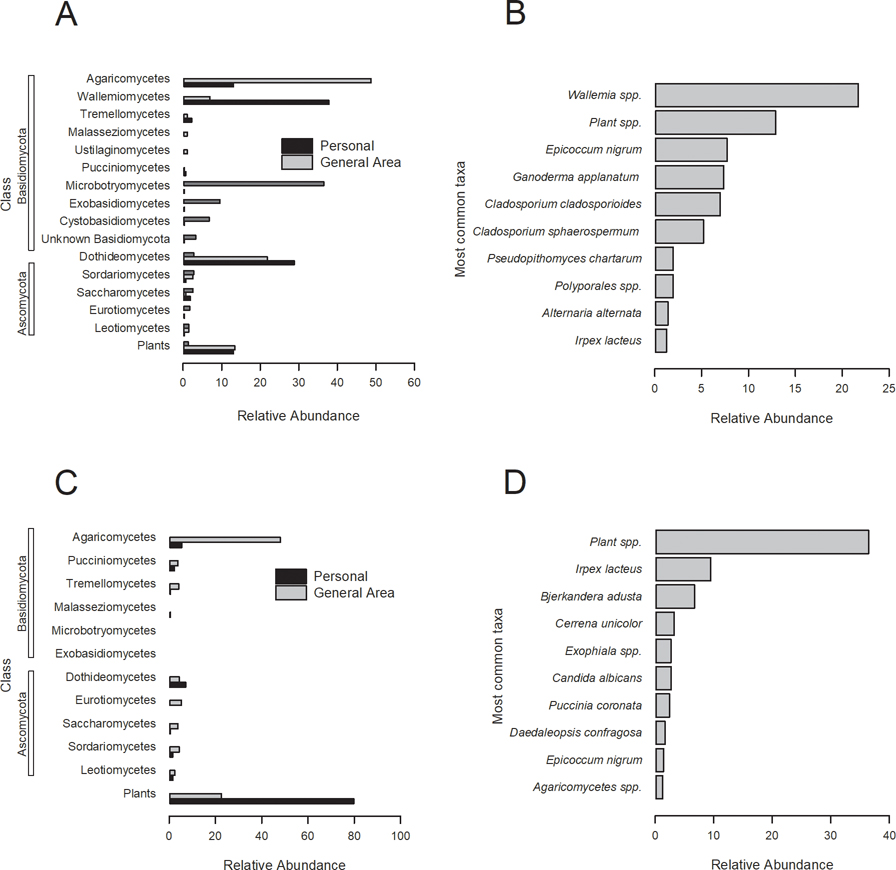
Diacetyl and 2,3-pentanedione were identified in both initial VOC screening and subsequent sampling at levels well below the NIOSH recommended exposure limits (RELs). Endotoxin concentrations were highest during processing activities, while Internal Transcribed Spacer region sequencing revealed that the Basidiomycota genus, Wallemia, had the highest relative abundance.
Conclusions
Δ9-THC was identified throughout the facility. Although diacetyl and 2,3-pentanedione were identified, the exposures were below the NIOSH REL. Exposures to diacetyl and 2,3-pentanedione were highest in the decarboxylation oven where heat transference was greatest. Endotoxin levels were highest during grinding operations when aerosol generating activities occurred. The findings indicate that potential health hazards of significance are present during cannabis processing, and employers should be aware of potential exposures to VOCs, endotoxin, and fungi. Further research into the degree and intensity of respiratory and dermal hazards in this industry, as well as resulting health effects, is recommended.
-
Subjects:
-
Source:Am J Ind Med. 62(10):874-882
-
Pubmed ID:31332812
-
Pubmed Central ID:PMC8893282
-
Document Type:
-
Funding:
-
Place as Subject:
-
Volume:62
-
Issue:10
-
Collection(s):
-
Main Document Checksum:urn:sha-512:d4965e2e9836a984dbdc1c41b009a500353cde4771644ace794abc60bf60f4ae2029b9caed620d50cefc27e1e649d8383357d638690a716008b63090d4bb3c17
-
Download URL:
-
File Type:
 [PDF
- 676.07 KB
]
[PDF
- 676.07 KB
]
Supporting Files


File Language:
English
ON THIS PAGE

CDC STACKS serves as an archival repository of CDC-published products including
scientific findings,
journal articles, guidelines, recommendations, or other public health information authored or
co-authored by CDC or funded partners.
As a repository, CDC STACKS retains documents in their original published format to ensure public access to scientific information.
As a repository, CDC STACKS retains documents in their original published format to ensure public access to scientific information.
You May Also Like
COLLECTION
CDC Public Access