



Heavy Metal Pollution of Soils and Risk Assessment in Houston, Texas Following Hurricane Harvey
Supporting Files
Peer Reviewed

-
2026/03/01
-
Available in CDC Stacks on 2023-03-01T00:00:00Z
File Language:
English
Details
-
Journal Article:Environmental Pollution
-
Personal Author:
-
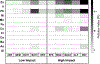
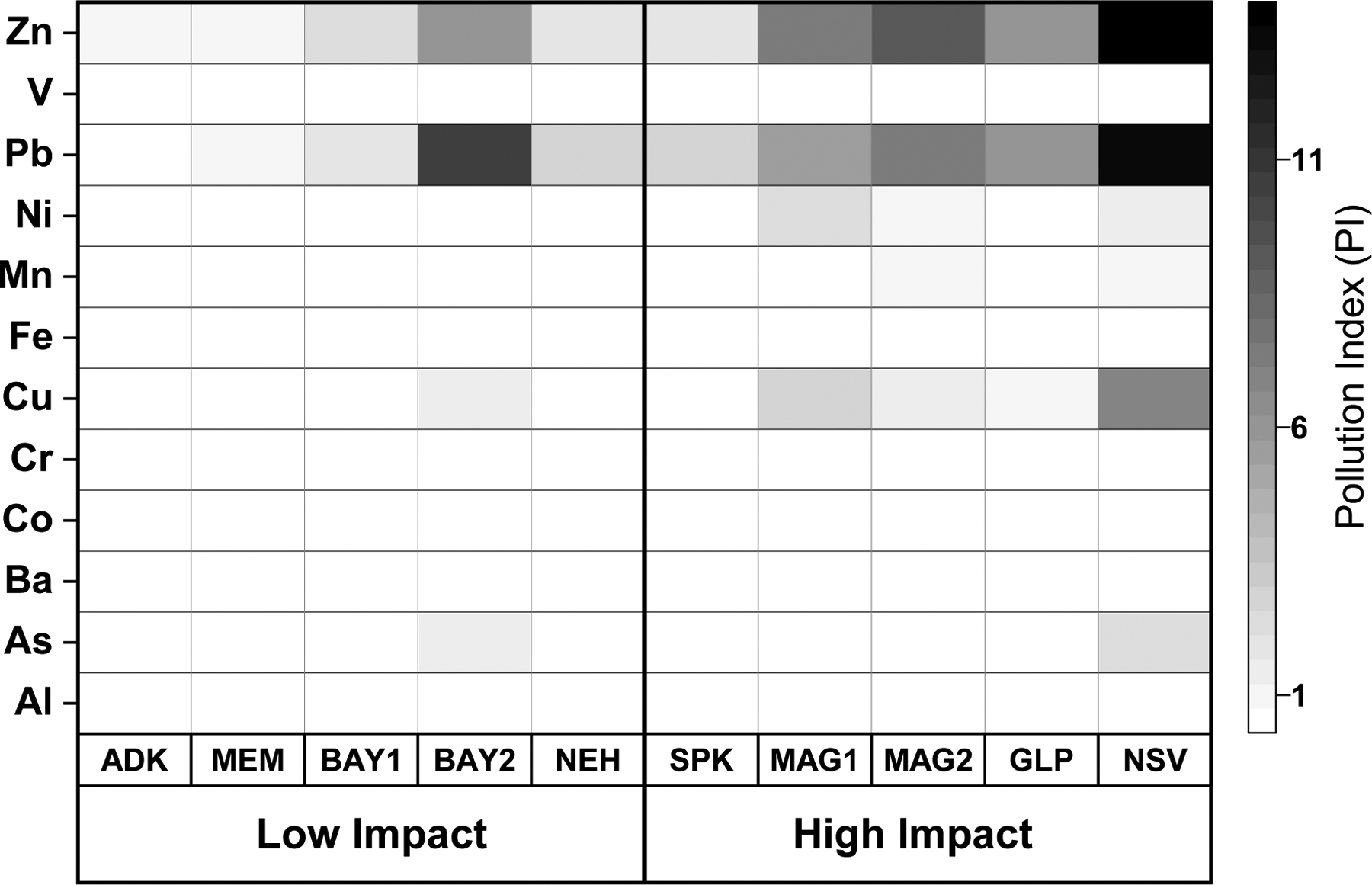
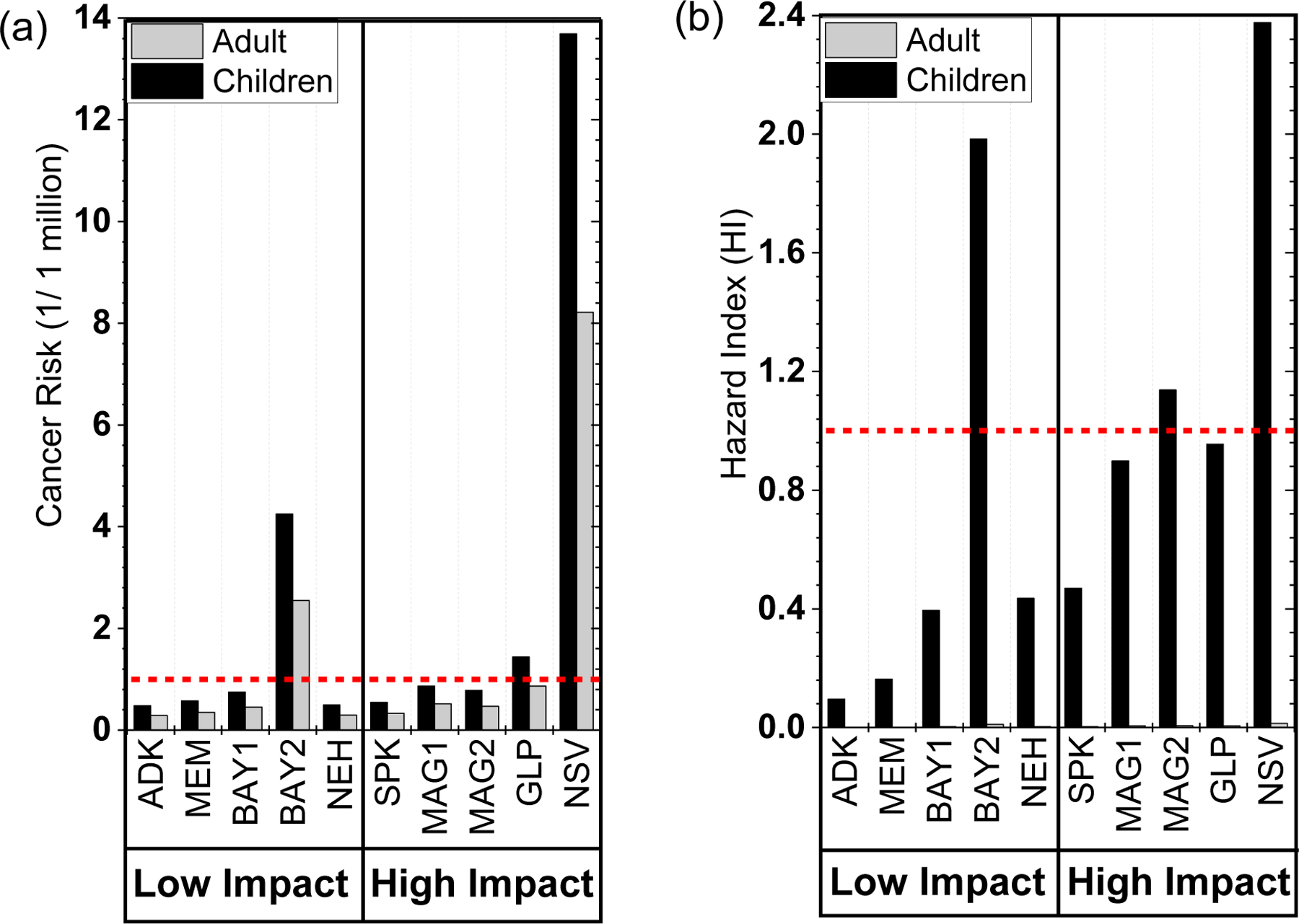
Description:In August 2017, after Hurricane Harvey made landfall, almost 52 inches of rain fell during a three-day period along the Gulf Coast Region of Texas, including Harris County, where Houston is located. Harris County was heavily impacted with over 177,000 homes and buildings (approximately 12 percent of all buildings in the county) experiencing flooding. The objective of this study was to measure 13 heavy metals in soil in residential areas and to assess cancer and non-cancer risk for children and adults after floodwaters receded. Between September and November 2017, we collected 174 surface soil samples in 10 communities, which were classified as "High Environmental Impact" or "Low Environmental Impact" communities, based on a composite metric of six environmental parameters. A second campaign was conducted between May 2019 and July 2019 when additional 204 soil samples were collected. Concentrations of metals at both sampling campaigns were higher in High Environmental Impact communities than in Low Environmental Impact communities and there was little change in metal levels between the two sampling periods. The Pollution Indices of lead (Pb), zinc, copper, nickel, and manganese in High Environmental Impact communities were significantly higher than those in Low Environmental Impact communities. Further, cancer risk estimates in three communities for arsenic through soil ingestion were greater than 1 in 1,000,000. Although average soil Pb was lower than the benchmark of the United States Environmental Protection Agency, the hazard indices for non-cancer outcomes in three communities, mostly attributed to Pb, were greater than 1. Health risk estimates for children living in these communities were greater than those for adults. Description provided by NIOSH
-
Subjects:
-
Keywords:
-
Source:Environ Pollut 2022 Mar; 296:118717
-
ISSN:0269-7491
-
Pubmed ID:34933061
-
Pubmed Central ID:PMC8883480
-
Document Type:
-
Funding:
-
Genre:
-
Place as Subject:
-
CIO:
-
Division:
-
Topic:
-
Location:
-
Pages in Document:20 pdf pages
-
Volume:296
-
NIOSHTIC Number:nn:20065515
-
Email:Elaine.Symanski@bcm.edu
-
Federal Fiscal Year:2022
-
Performing Organization:University of Texas Health Science Center, Houston
-
Peer Reviewed:True
-
Download URL:
-
File Type:
 [PDF - 1.35 MB]
 -
Collection(s):
-
Main Document Checksum:urn:sha-512:ffce2bf0f6f9dc6e2c05a3f4f13e88099e9e3a3e3bb4ed36c8c0dc1e79a0ab0e276b1eca1d0a89252eba48ee9a8be48d0b091f605b053fbbc05b03c1333f68a7
Supporting Files


File Language:
English
 Was this page helpful?
 Found an issue?



CDC STACKS serves as an archival repository of CDC-published products including
scientific findings, journal articles, guidelines, recommendations, or other public health information authored or
co-authored by CDC or funded partners.
As a repository, CDC STACKS retains documents in their original published format to ensure public access to scientific information.
As a repository, CDC STACKS retains documents in their original published format to ensure public access to scientific information.
You May Also Like