



Occupational and Demographic Factors Associated With Violence in the Emergency Department
Supporting Files

-
2011
-
File Language:
English
Details
-
Alternative Title:Adv Emerg Nurs J
-
Personal Author:
-
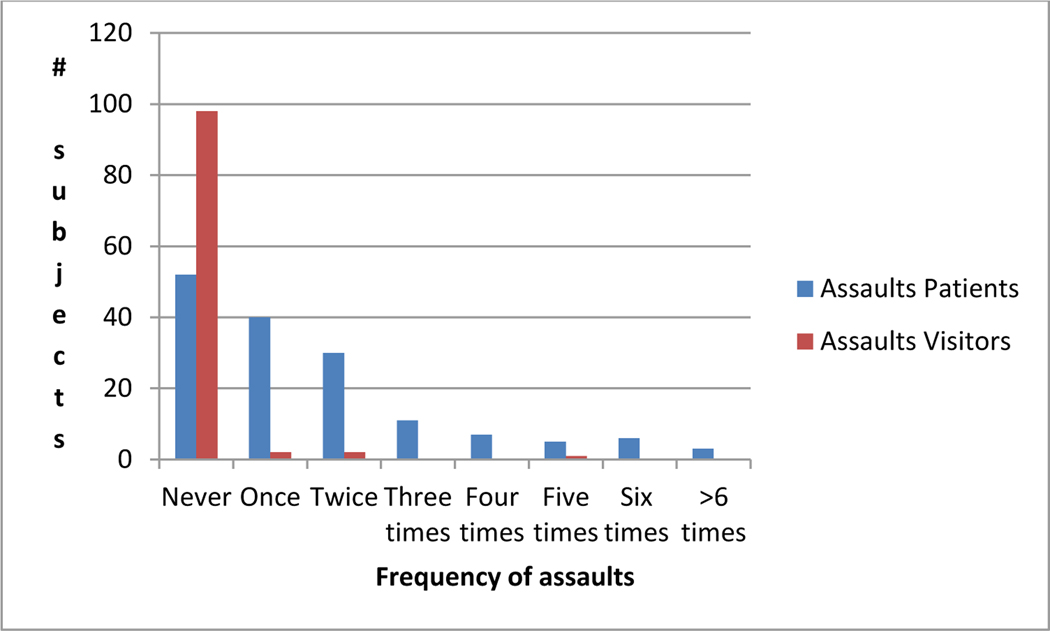
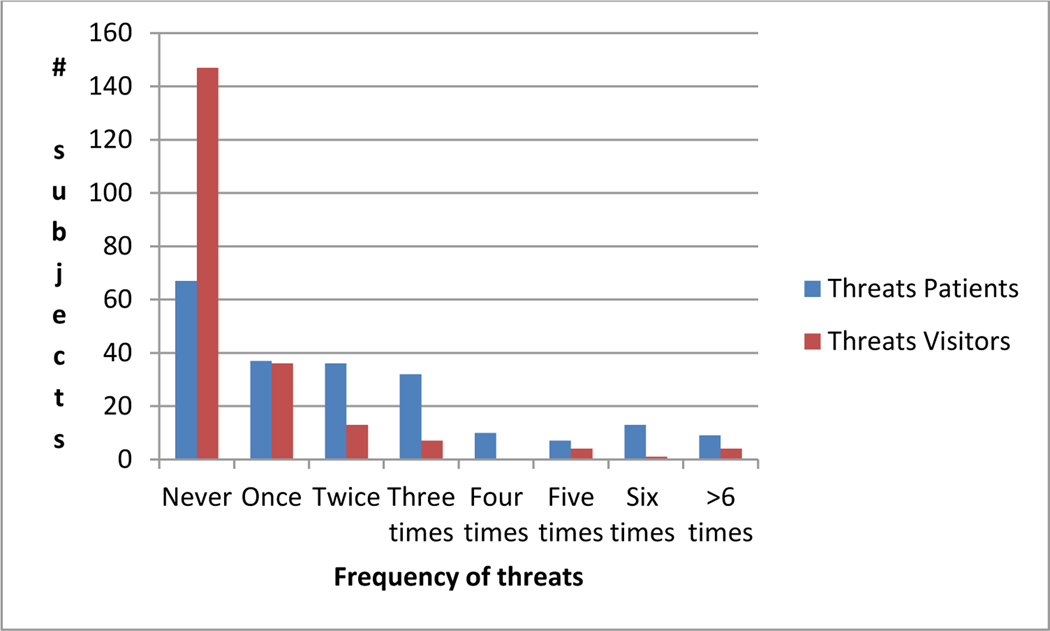
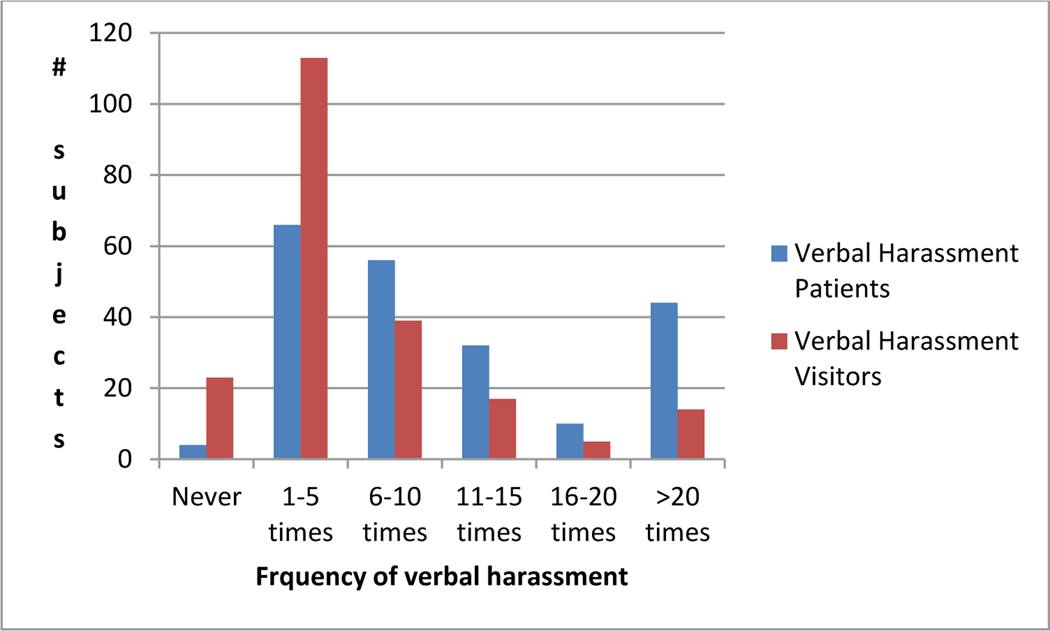
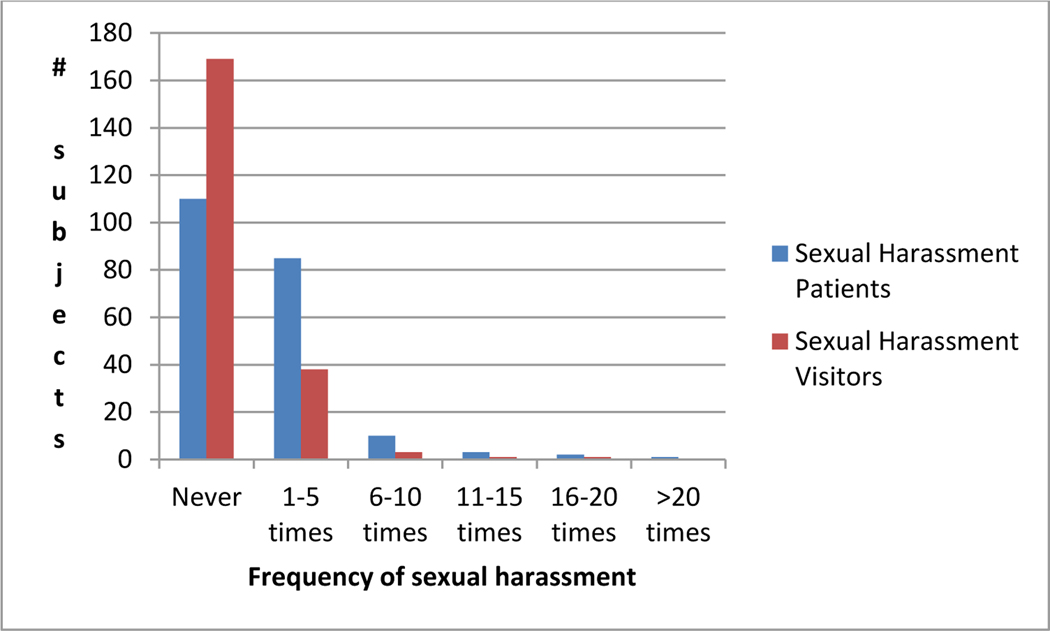
Description:Violence against health care workers is a serious and growing problem. The objectives of this cross-sectional study were to (a) describe the frequency of workplace violence (WPV) against emergency department (ED) workers; (b) identify demographic and occupational characteristics related to WPV; and (c) identify demographic and occupational characteristics related to feelings of safety and level of confidence when dealing with WPV. Survey data were collected from 213 workers at 6 hospital EDs. Verbal and physical violence was prevalent in all 6 EDs. There were no statistically significant differences in the frequency of violence for age, job title, patient population, and hospital location. Sexual harassment was the only category of violence affected by gender with females having a greater frequency. Feelings of safety were positively related to the frequency of WPV. Females were significantly more likely to feel unsafe and have less confidence in dealing with WPV. The study findings indicate that all ED workers are at risk of violence, regardless of personal and occupational characteristics. Feelings of safety are related to job satisfaction and turnover. Violence has serious consequences for the employers, employees, and patients. It is recommended that administration, managers, and employees collaborate to develop and implement prevention strategies to reduce and manage the violence.
-
Subjects:
-
Keywords:
-
Source:Adv Emerg Nurs J. 33(4):303-313
-
Pubmed ID:22075681
-
Pubmed Central ID:PMC8882053
-
Document Type:
-
Funding:
-
Volume:33
-
Issue:4
-
Collection(s):
-
Main Document Checksum:urn:sha-512:ae57153d6c0f27fa761630fa3ea8637468e994252b77920452fdc6a06dcd3cce421a2b642ec367ec99c0c799ea22d91ef46bc18e818f1765573c9d7c98aa8990
-
Download URL:
-
File Type:
 [PDF
- 749.31 KB
]
[PDF
- 749.31 KB
]
Supporting Files


File Language:
English
 Was this page helpful?
 Found an issue?
CDC STACKS serves as an archival repository of CDC-published products including
scientific findings,
journal articles, guidelines, recommendations, or other public health information authored or
co-authored by CDC or funded partners.
As a repository, CDC STACKS retains documents in their original published format to ensure public access to scientific information.
As a repository, CDC STACKS retains documents in their original published format to ensure public access to scientific information.
You May Also Like
COLLECTION
CDC Public Access