


Skin Metagenomic Sequence Analysis of Early Candida auris Outbreaks in U.S. Nursing Homes
Supporting Files
Public Domain

File Language:
English
Details
-
Alternative Title:mSphere
-
Personal Author:Huang, Xin ; Welsh, Rory M. ; Deming, Clay ; Proctor, Diana M. ; Thomas, Pamela J. ; Gussin, Gabrielle M. ; Huang, Susan S. ; Kong, Heidi H. ; Bentz, Meghan L. ; Vallabhaneni, Snigdha ; Chiller, Tom ; Jackson, Brendan R. ; Forsberg, Kaitlin ; Conlan, Sean ; Litvintseva, Anastasia P. ; Segre, Julia A.
-
Corporate Authors:
-
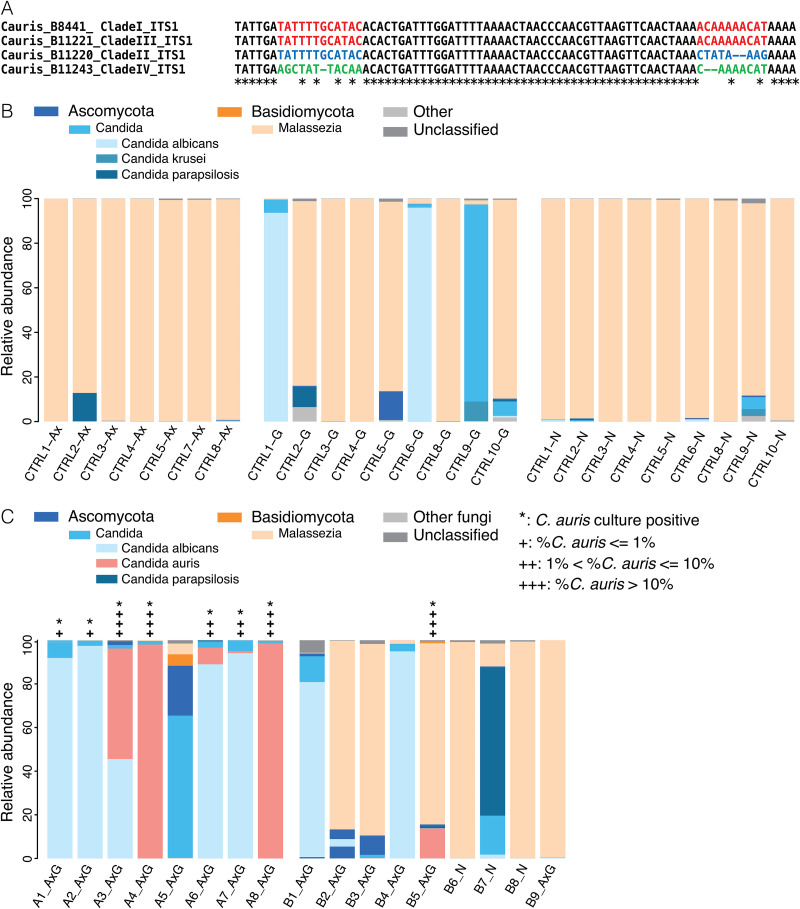
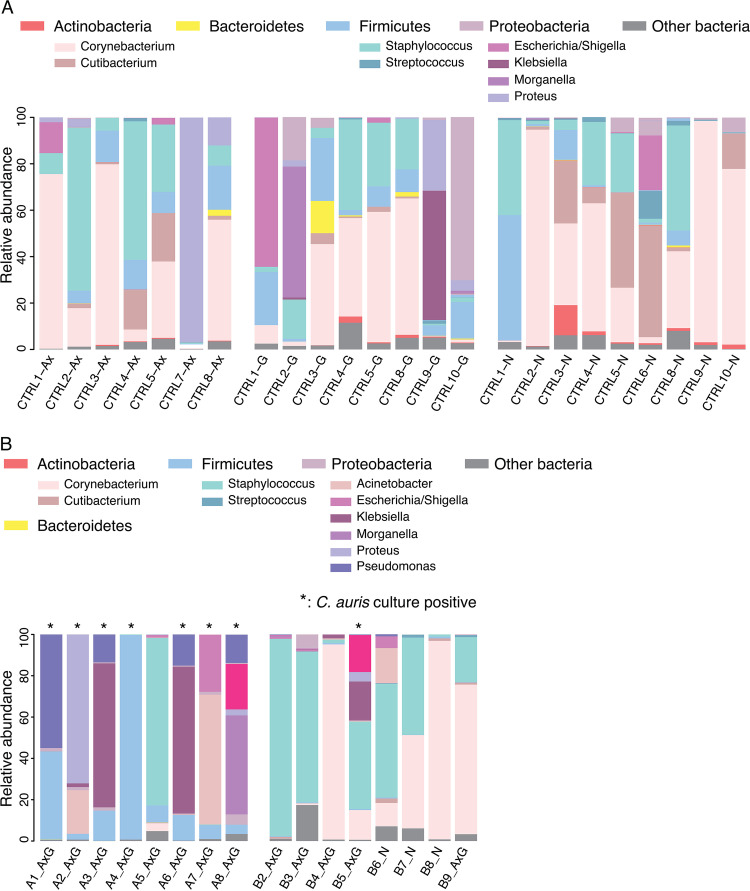
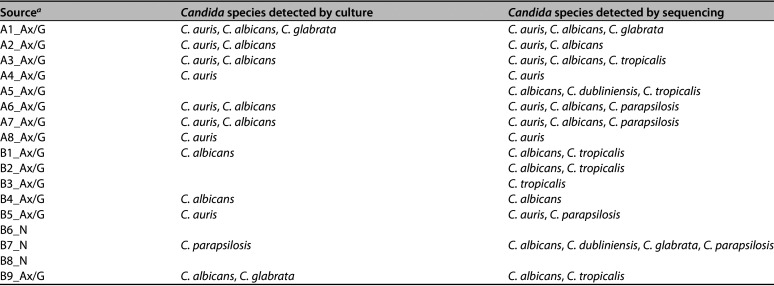
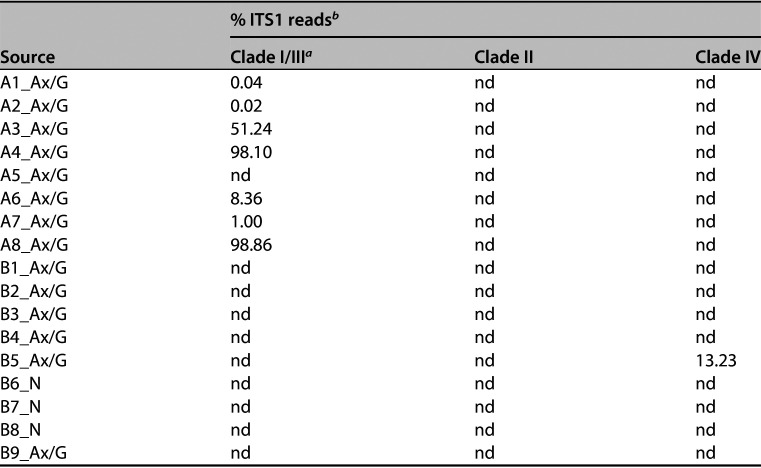
Description:Candida auris is a human fungal pathogen classified as an urgent threat to the delivery of health care due to its extensive antimicrobial resistance and the high mortality rates associated with invasive infections. Global outbreaks have occurred in health care facilities, particularly, long-term care hospitals and nursing homes. Skin is the primary site of colonization for C. auris. To accelerate research studies, we developed microbiome sequencing protocols, including amplicon and metagenomic sequencing, directly from patient samples at health care facilities with ongoing C. auris outbreaks. We characterized the skin mycobiome with a database optimized to classify | species and C. auris to the clade level. While | species were the predominant skin-associated fungi, nursing home residents also harbored | species, including C. albicans, and C. parapsilosis. Amplicon sequencing was concordant with culturing studies to identify C. auris-colonized patients and provided further resolution that distinct clades of C. auris are colonizing facilities in New York and Illinois. Shotgun metagenomic sequencing from a clinical sample with a high fungal bioburden generated a skin-associated profile of the C. auris genome. Future larger scale clinical studies are warranted to more systematically investigate the effects of commensal microbes and patient risk factors on the colonization and transmission of C. auris. | Candida auris is a human pathogen of high concern due to its extensive antifungal drug resistance and high mortality rates associated with invasive infections. Candida auris skin colonization and persistence on environmental surfaces make this pathogen difficult to control once it enters a health care facility. Residents in long-term care hospitals and nursing homes are especially vulnerable. In this study, we developed microbiome sequencing protocols directly from surveillance samples, including amplicon and metagenomic sequencing, demonstrating concordance between sequencing results and culturing.
-
Subjects:
-
Source:mSphere. 6(4)
-
Pubmed ID:34346704
-
Pubmed Central ID:PMC8386442
-
Document Type:
-
Volume:6
-
Issue:4
-
Collection(s):
-
Main Document Checksum:urn:sha256:db39225c0e1b102917b546177c1ce08483b6ce16654cd60594640f947d7dbf60
-
Download URL:
-
File Type:
 [PDF
- 1.29 MB
]
[PDF
- 1.29 MB
]
Supporting Files


File Language:
English
ON THIS PAGE



CDC STACKS serves as an archival repository of CDC-published products including
scientific findings,
journal articles, guidelines, recommendations, or other public health information authored or
co-authored by CDC or funded partners.
As a repository, CDC STACKS retains documents in their original published format to ensure public access to scientific information.
As a repository, CDC STACKS retains documents in their original published format to ensure public access to scientific information.
You May Also Like
COLLECTION
CDC Public Access