


Carbon monoxide exposures in wildland firefighters in the United States and targets for exposure reduction
Supporting Files

-
9 2021
-
File Language:
English
Details
-
Alternative Title:J Expo Sci Environ Epidemiol
-
Personal Author:
-
Description:Background:
Every year thousands of wildland firefighters (WFFs) work to suppress wildfires to protect public safety, health, and property. Although much effort has been put toward mitigating air pollutant exposures for the public and WFFs, the current burden in this worker population is unclear as are the most effective exposure reduction strategies.
Objective:
Quantify fireline carbon monoxide (CO) exposures in WFFs and identify predictors of exposures.
Methods:
We collected one-minute breathing zone CO measurements on 246 WFFs assigned to fires between 2015 and 2017. We used generalized estimating equations to evaluate predictors of CO exposure.
Results:
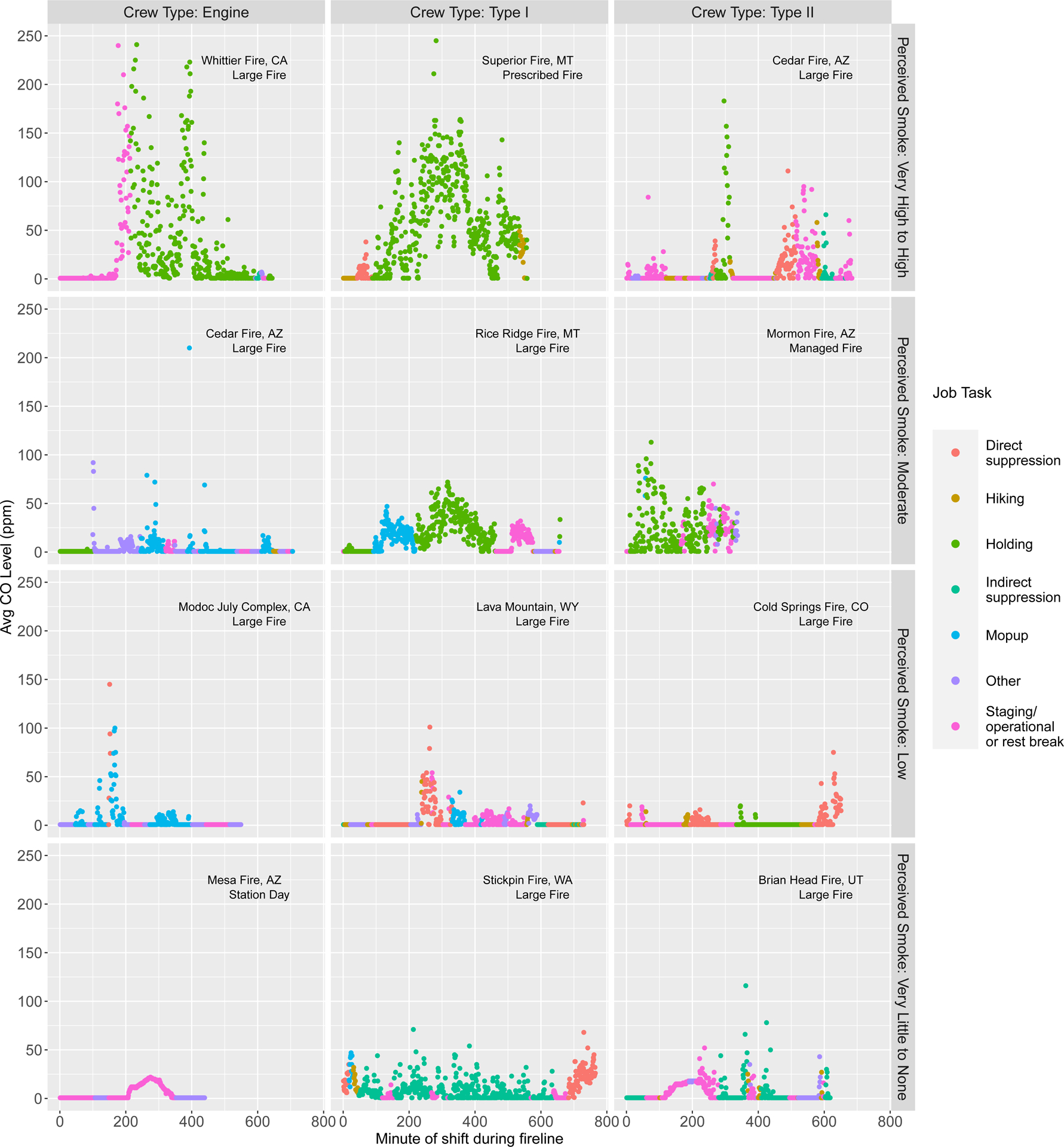
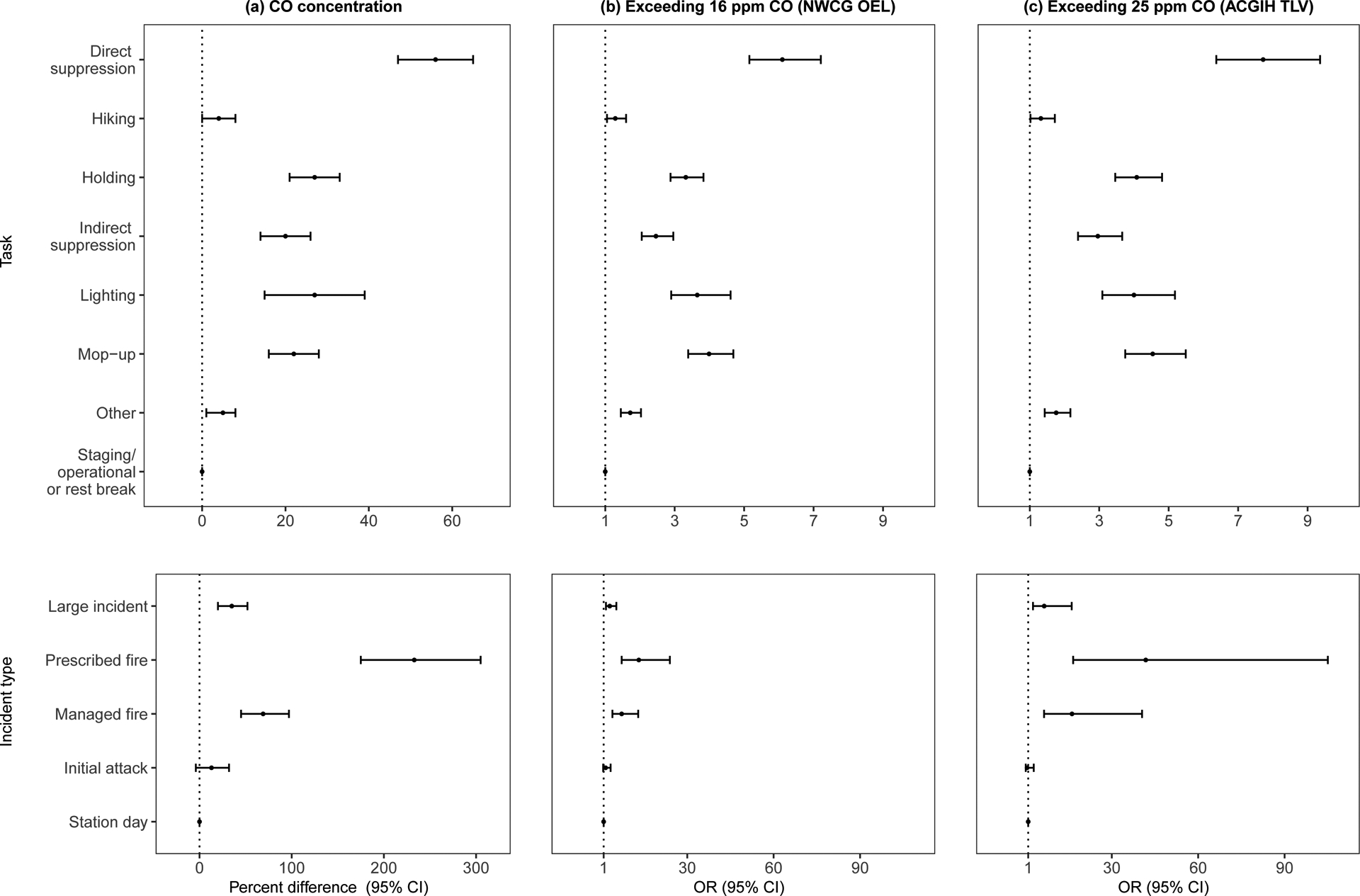
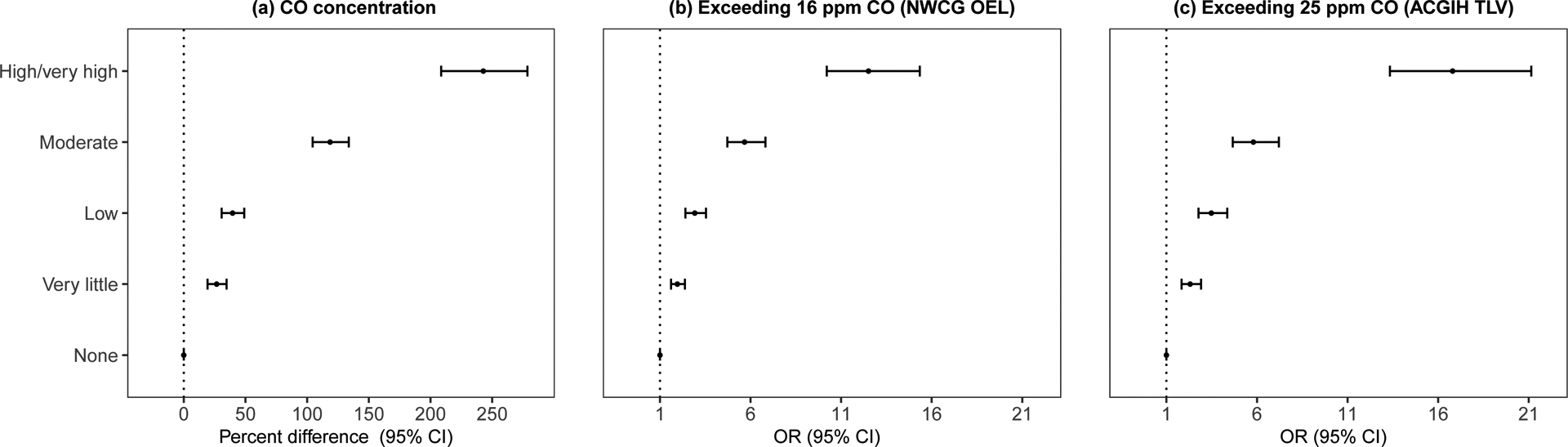
Approximately 5 percent of WFFs had fireline CO exposure means exceeding the National Wildfire Coordinating Group’s (NWCG) occupational exposure limit of 16 ppm. Relative to operational breaks, direct suppression-related job tasks were associated with 56% (95% CI: 47%, 65%) higher geometric mean CO concentrations, adjusted for incident type, crew type, and fire location. WFF perception of smoke exposure was a strong predictor of measured CO exposure.
Significance:
Specific job tasks related to direct suppression and WFF perceptions of smoke exposure are potential opportunities for targeted interventions aimed at minimizing exposure to smoke.
-
Subjects:
-
Keywords:
-
Source:J Expo Sci Environ Epidemiol. 31(5):923-929
-
Pubmed ID:34285366
-
Pubmed Central ID:PMC8448930
-
Document Type:
-
Funding:
-
Place as Subject:
-
Volume:31
-
Issue:5
-
Collection(s):
-
Main Document Checksum:urn:sha256:b2c9011443e2c9d13b770dcc7954baccbe00dd65d30705fa2a70da6e192f08ce
-
Download URL:
-
File Type:
 [PDF
- 613.97 KB
]
[PDF
- 613.97 KB
]
Supporting Files


File Language:
English
ON THIS PAGE



CDC STACKS serves as an archival repository of CDC-published products including
scientific findings,
journal articles, guidelines, recommendations, or other public health information authored or
co-authored by CDC or funded partners.
As a repository, CDC STACKS retains documents in their original published format to ensure public access to scientific information.
As a repository, CDC STACKS retains documents in their original published format to ensure public access to scientific information.
You May Also Like
COLLECTION
CDC Public Access