



The Pox in the North American Backyard: Volepox Virus Pathogenesis in California Mice (Peromyscus californicus)
Supporting Files
Public Domain

-
Aug 28 2012
-
File Language:
English
Details
-
Alternative Title:PLoS One
-
Personal Author:Gallardo-Romero, Nadia F. ; Drew, Clifton P. ; Weiss, Sonja L. ; Metcalfe, Maureen G. ; Nakazawa, Yoshinori J. ; Smith, Scott K. ; Emerson, Ginny L. ; Hutson, Christina L. ; Salzer, Johanna S. ; Bartlett, Jeanine H. ; Olson, Victoria A. ; Clemmons, Cody J. ; Davidson, Whitni B. ; Zaki, Sherif R. ; Karem, Kevin L. ; Damon, Inger K. ; Carroll, Darin S.
-
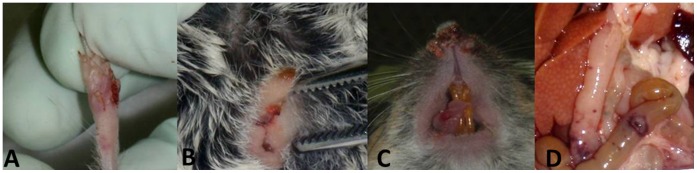
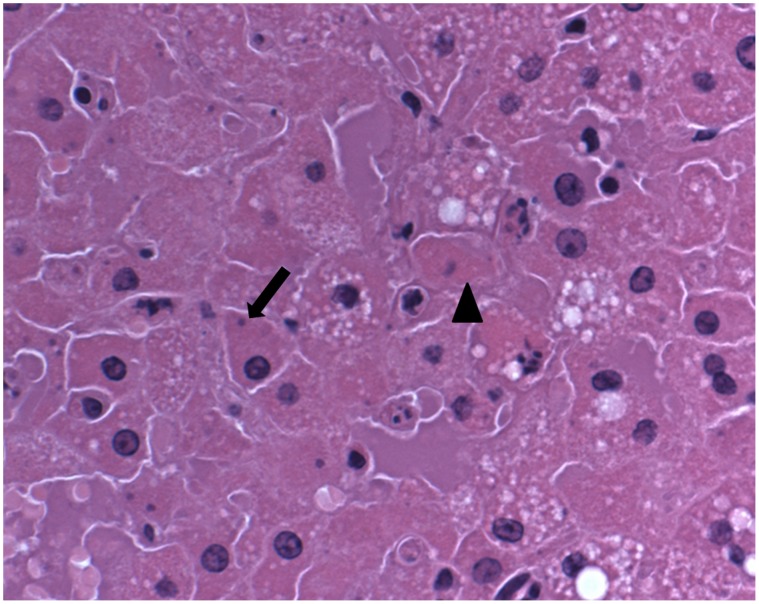
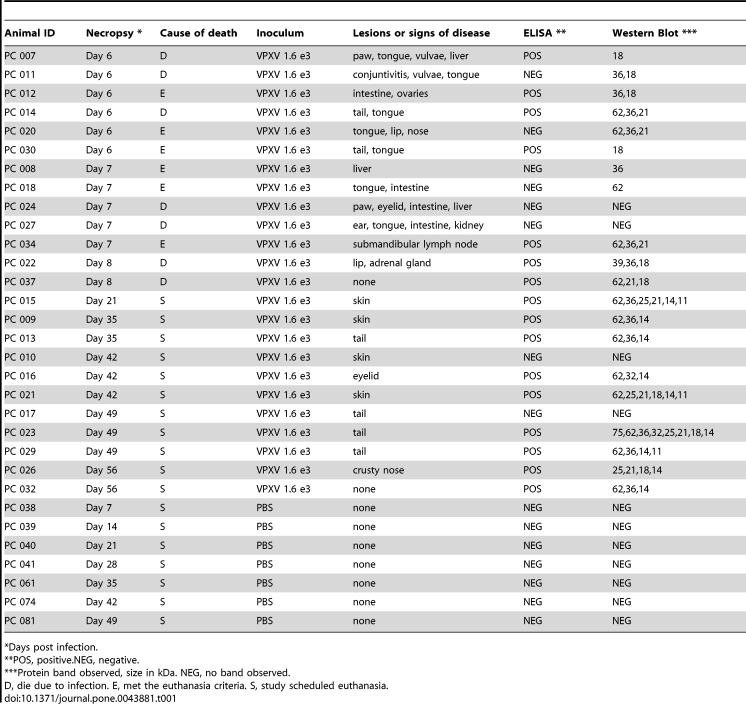
Description:Volepox virus (VPXV) was first isolated in 1985 from a hind foot scab of an otherwise healthy California vole (Microtus californicus). Subsequent surveys in San Mateo County, CA, revealed serological evidence suggesting that VPXV is endemic to this area, and a second viral isolate from a Pinyon mouse (Peromyscus truei) was collected in 1988. Since then, few studies have been conducted regarding the ecology, pathology, and pathogenicity of VPXV, and its prevalence and role as a potential zoonotic agent remain unknown. To increase our understanding of VPXV disease progression, we challenged 24 California mice (Peromyscus californicus) intranasally with 1.6 × 10(3) PFU of purified VPXV. By day five post infection (pi) we observed decreased activity level, conjunctivitis, ruffled hair, skin lesions, facial edema, and crusty noses. A mortality rate of 54% was noted by day eight pi. In addition, internal organ necrosis and hemorrhages were observed during necropsy of deceased or euthanized animals. Viral loads in tissues (brain, gonad, kidney, liver, lung, spleen, submandibular lymph node, and adrenal gland), bodily secretions (saliva, and tears), and excretions (urine, and/or feces) were evaluated and compared using real time-PCR and tissue culture. Viral loads measured as high as 2 × 10(9) PFU/mL in some organs. Our results suggest that VPXV can cause extreme morbidity and mortality within rodent populations sympatric with the known VPXV reservoirs.
-
Subjects:
-
Source:PLoS One. 2012; 7(8).
-
Document Type:
-
Place as Subject:
-
Volume:7
-
Issue:8
-
Collection(s):
-
Main Document Checksum:urn:sha256:bed6cfea078d053b7ee3074c20246aa6565cfc564f800be86979a981577e4675
-
Download URL:
-
File Type:
 [PDF
- 6.61 MB
]
[PDF
- 6.61 MB
]
Supporting Files


File Language:
English
 Was this page helpful?
 Found an issue?




CDC STACKS serves as an archival repository of CDC-published products including
scientific findings,
journal articles, guidelines, recommendations, or other public health information authored or
co-authored by CDC or funded partners.
As a repository, CDC STACKS retains documents in their original published format to ensure public access to scientific information.
As a repository, CDC STACKS retains documents in their original published format to ensure public access to scientific information.
You May Also Like
COLLECTION
CDC Public Access