



Sexual Identity Development Milestones in Three Generations of Sexual Minority People: A National Probability Sample
Supporting Files

-
11 2020
-
Available in CDC Stacks on November 01, 2021, 12:00 AM
File Language:
English
Details
-
Alternative Title:Dev Psychol
-
Personal Author:
-
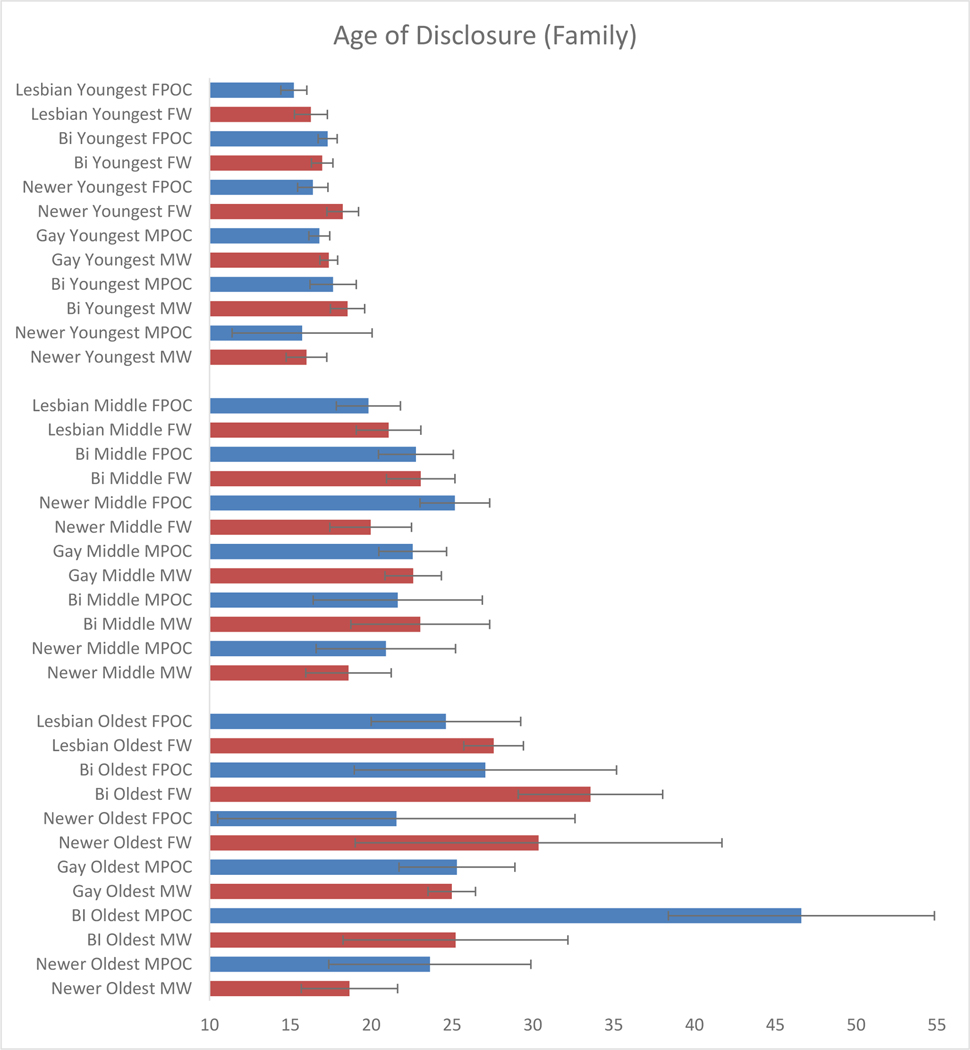
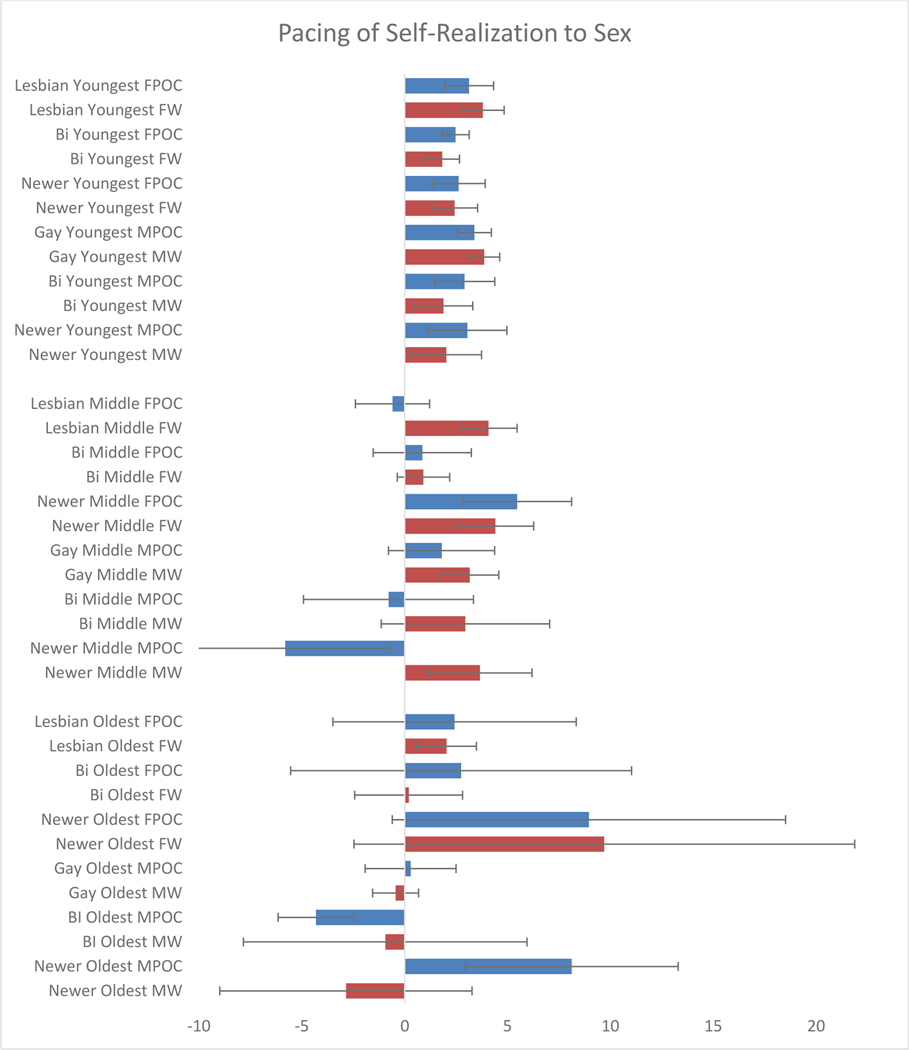
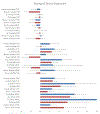
Description:Using data from the first national probability sample of Black, White, and Latinx sexual minority people in the United States, we examined whether and how sexual identity development timing and pacing differs across demographic subgroups at the intersections of cohort, sex, sexual identity, and race/ethnicity. Among a sample of 1,491 participants aged 18-60 from 3 distinct birth cohorts, we measured participants' ages of |, including first same-sex attraction, first self-realization of a sexual minority identity, first same-sex sexual behavior, first disclosure to a straight friend, and first disclosure to a family member. Participants from more recent cohorts reported earlier and accelerated pacing of milestones relative to those from older cohorts. Subgroups defined by sex and sexual identity varied in milestone timing and pacing, with gay males reporting an earlier onset of some milestones than other subgroups. Those who used newer identity labels (e.g., pansexual, queer) reported younger ages of milestones relative to bisexual participants but similar ages to lesbian and gay participants. Black and Latinx participants reported some milestones at younger ages than White participants. Race-stratified models testing groups at the intersection of cohort, sex, and sexual identity revealed subgroup differences in ages of first disclosure to family, as well as differences in the time between self-realization, same-sex sexual behavior, and disclosure to a straight friend. The results suggest substantial variation in the developmental timing and pacing of milestones across social identities and the need to further examine how milestone timing is related to identity, stress, and health. (PsycInfo Database Record (c) 2020 APA, all rights reserved).
-
Subjects:
-
Keywords:
-
Source:Dev Psychol. 56(11):2177-2193
-
Pubmed ID:32833471
-
Pubmed Central ID:PMC8216084
-
Document Type:
-
Funding:R01 HD078526/HD/NICHD NIH HHSUnited States/ ; R24 HD041041/HD/NICHD NIH HHSUnited States/ ; R24 HD042849/HD/NICHD NIH HHSUnited States/ ; P2C HD041041/HD/NICHD NIH HHSUnited States/ ; CC/CDC HHSUnited States/ ; T32 HD007081/HD/NICHD NIH HHSUnited States/ ; U48 DP006382/DP/NCCDPHP CDC HHSUnited States/ ; P2C HD042849/HD/NICHD NIH HHSUnited States/
-
Place as Subject:
-
Volume:56
-
Issue:11
-
Download URL:
-
File Type:
 [PDF - 1.36 MB]
 -
Collection(s):
-
Main Document Checksum:urn:sha256:f4ab4214442bacc8d1f791d9e82a455790d4b125efc67e1607660900df645366
Supporting Files


File Language:
English
 Was this page helpful?
 Found an issue?




CDC STACKS serves as an archival repository of CDC-published products including
scientific findings, journal articles, guidelines, recommendations, or other public health information authored or
co-authored by CDC or funded partners.
As a repository, CDC STACKS retains documents in their original published format to ensure public access to scientific information.
As a repository, CDC STACKS retains documents in their original published format to ensure public access to scientific information.
You May Also Like
COLLECTION
CDC Public Access