


Preliminary Findings of mRNA Covid-19 Vaccine Safety in Pregnant Persons
Supporting Files
Public Domain

-
June 17 2021
-
File Language:
English
Details
-
Alternative Title:N Engl J Med
-
Personal Author:Shimabukuro, Tom T. ; Kim, Shin Y. ; Myers, Tanya R. ; Moro, Pedro L. ; Oduyebo, Titilope ; Panagiotakopoulos, Lakshmi ; Marquez, Paige L. ; Olson, Christine K. ; Liu, Ruiling ; Chang, Karen T. ; Ellington, Sascha R. ; Burkel, Veronica K. ; Smoots, Ashley N. ; Green, Caitlin J. ; Licata, Charles ; Zhang, Bicheng C. ; Alimchandani, Meghna ; Mba-Jonas, Adamma ; Martin, Stacey W. ; Gee, Julianne M. ; Meaney-Delman, Dana M.
-
Description:Background
Many pregnant persons in the United States are receiving messenger RNA (mRNA) coronavirus disease 2019 (Covid-19) vaccines, but data are limited on their safety in pregnancy.
Methods
From December 14, 2020, to February 28, 2021, we used data from the “v-safe after vaccination health checker” surveillance system, the v-safe pregnancy registry, and the Vaccine Adverse Event Reporting System (VAERS) to characterize the initial safety of mRNA Covid-19 vaccines in pregnant persons.
Results
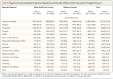
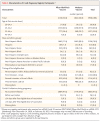
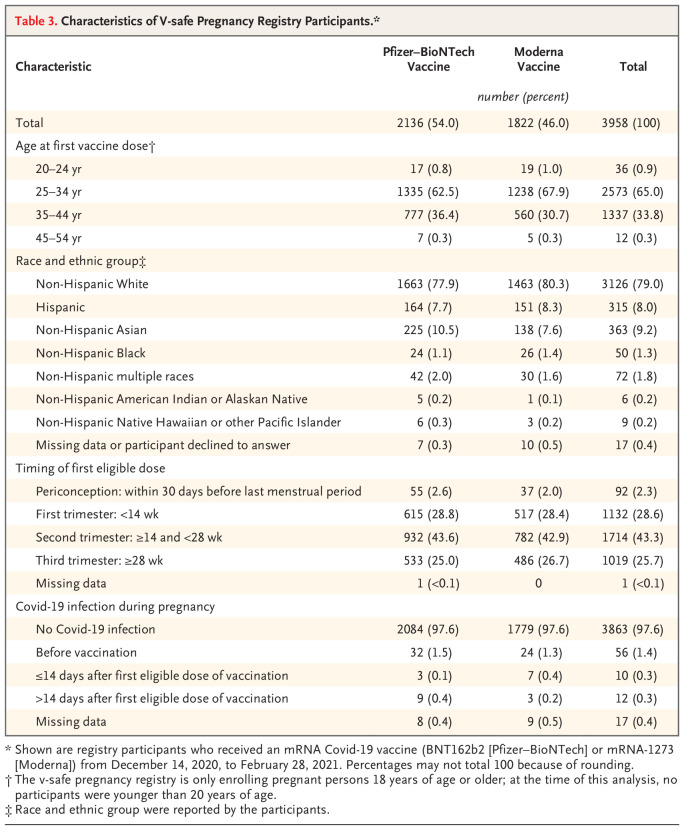
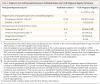
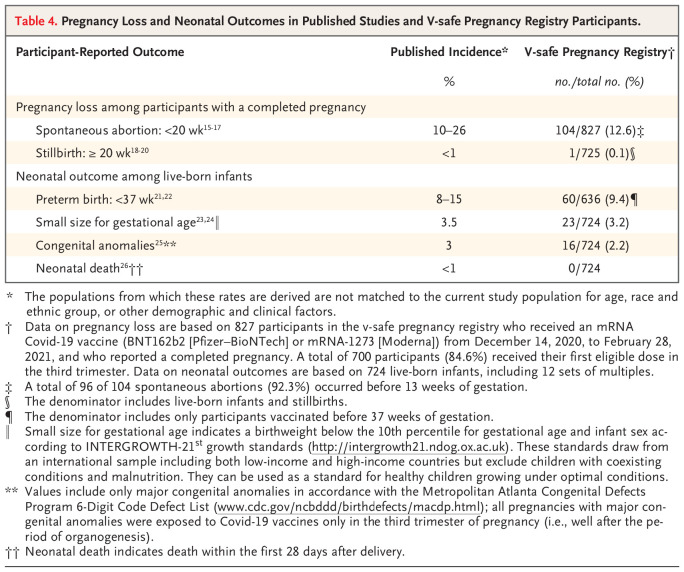
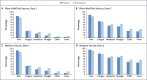
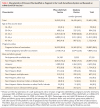
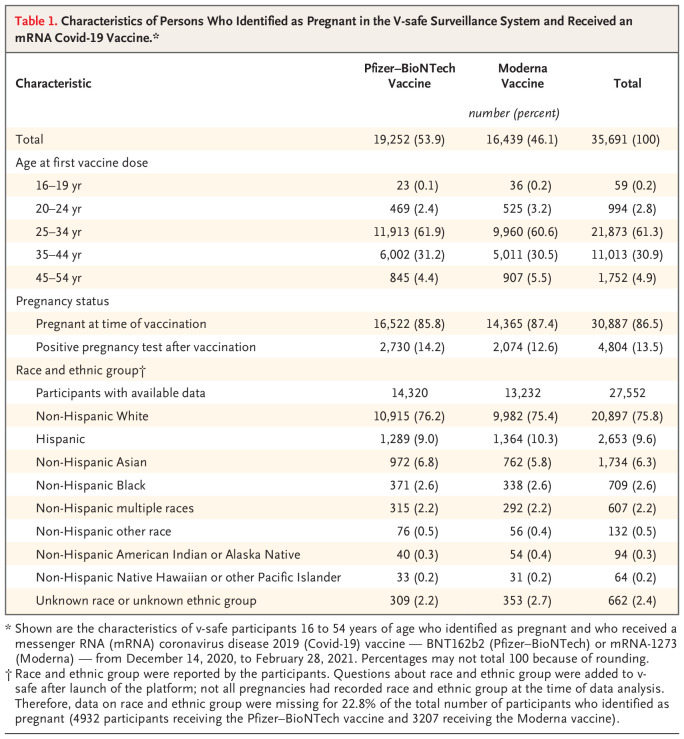
A total of 35,691 v-safe participants 16 to 54 years of age identified as pregnant. Injection-site pain was reported more frequently among pregnant persons than among nonpregnant women, whereas headache, myalgia, chills, and fever were reported less frequently. Among 3958 participants enrolled in the v-safe pregnancy registry, 827 had a completed pregnancy, of which 115 (13.9%) resulted in a pregnancy loss and 712 (86.1%) resulted in a live birth (mostly among participants with vaccination in the third trimester). Adverse neonatal outcomes included preterm birth (in 9.4%) and small size for gestational age (in 3.2%); no neonatal deaths were reported. Although not directly comparable, calculated proportions of adverse pregnancy and neonatal outcomes in persons vaccinated against Covid-19 who had a completed pregnancy were similar to incidences reported in studies involving pregnant women that were conducted before the Covid-19 pandemic. Among 221 pregnancy-related adverse events reported to the VAERS, the most frequently reported event was spontaneous abortion (46 cases).
Conclusions
Preliminary findings did not show obvious safety signals among pregnant persons who received mRNA Covid-19 vaccines. However, more longitudinal follow-up, including follow-up of large numbers of women vaccinated earlier in pregnancy, is necessary to inform maternal, pregnancy, and infant outcomes.
-
Subjects:
-
Source:N Engl J Med. 2021;
-
Pubmed ID:33882218
-
Pubmed Central ID:PMC8117969
-
Document Type:
-
Place as Subject:
-
Collection(s):
-
Main Document Checksum:urn:sha256:19990e32e7b84dd54f0f9f736c64816a93be74215cd6568f59b20a2c0c9c3880
-
Download URL:
-
File Type:
 [PDF
- 487.59 KB
]
[PDF
- 487.59 KB
]
Supporting Files


File Language:
English
ON THIS PAGE



CDC STACKS serves as an archival repository of CDC-published products including
scientific findings,
journal articles, guidelines, recommendations, or other public health information authored or
co-authored by CDC or funded partners.
As a repository, CDC STACKS retains documents in their original published format to ensure public access to scientific information.
As a repository, CDC STACKS retains documents in their original published format to ensure public access to scientific information.
You May Also Like
COLLECTION
CDC Public Access